

John Muir’s visit to Grandfather Mountain
The Mountain that Hugh Morton found so fascinating was already famous. This account of Muir’s visit, written by Hugh Morton’s son Jim, shows the family interest.
On September 25, 1898, America’s most celebrated conservationist and naturalist, John Muir, visitied Grandfather Mountain. Then 60 years old, Muir was traveling with his friends, botanist Charles Sprague Sargent and banker/naturalist William M. Canby, whom he persuaded to join him in a climb to the mountain’s ridge.
A brief account of the visit is mentioned in a postcard which Muir sent to his daughter on the following evening while awaiting a train from Lenoir to Biltmore. Wrote Muir: “Yesterday we rode 38 miles through a very beautiful forest of many kinds of trees, most of them with colored leaves, and climbed a mountain called Grandfather covered with very fine flowers, shrubs and trees.” On the same card Muir shared the following opinion of the Grandfather region: “The drive from Roan Mountain to Lenoir, 75 miles, is I think the finest in America of its kind.”
Another more colorful account of the Grandfather climb comes from a 1915 article by Melville Anderson in the American Museum Journal, titled “The Conversation of John Muir,” where Muir provides this recollection:
I couldn’t hold in, and began to jump about and sing and glory in it all. Then I happened to look around and catch sight of Sargent, standing there as cool as a rock, with a half-amused look on his face at me, but never saying a word.
“Why don’t you let yourself out at a sight like that?” I asked.
“I don’t wear my heart on my sleeve,” he retorted.
“Who cares where you wear your little heart, mon,” I cried. “There you stand in the face of all Heaven come to earth, like a critic of the universe, as if to say, ‘Come, Nature, bring on the best you have. I’m from Boston!’”
Muir’s visit to Grandfather Mountain was approximately six years after his founding of the Sierra Club in 1892, and five years prior to his historic camping trip in Yosemite with President Theodore Roosevelt in 1903, when together they devised a strategy for Roosevelt’s innovative conservation programs.
Related Articles
Latest News
More Stories
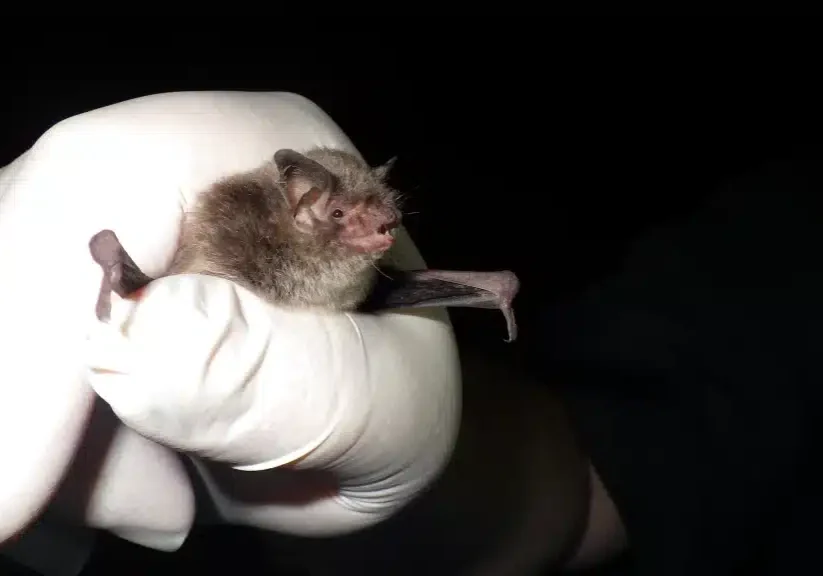
Signs of Life
In the Nantahala National Forest, a team of biologists spotted Indiana bats, an endangered species that hasn’t been seen in North Carolina for the last 11 years.

‘First Line of Defense’
During Hurricane Helene and its aftermath, rural fire departments and other first responder hubs played critical roles in keeping their communities safe, even without power and cut off from outside support for days or weeks after the storm. Two years later, plenty of work remains to ensure these hubs have the resources they need to operate day to day and be ready when emergencies or natural disasters strike.
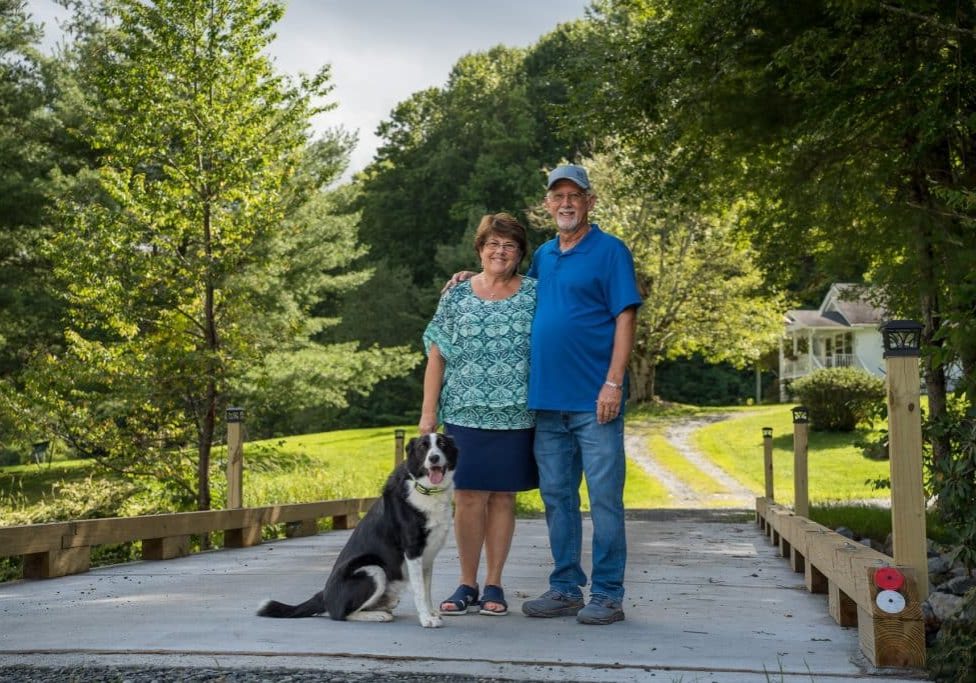
The Rocky Road — and Bridge — to Recovery
Hurricane Helene is estimated to have damaged nearly 7,000 private roads and bridges in Western North Carolina. Two years later, many restoration projects are complete, but the journey hasn’t been easy — and isn’t over for others.
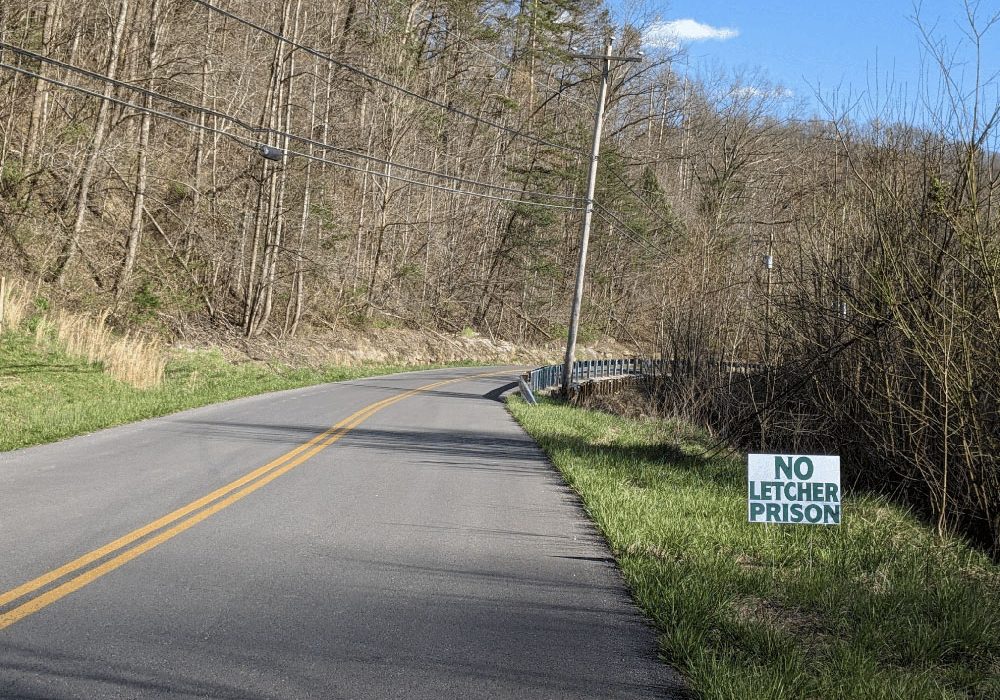
After 20 Years, Letcher County Prison Proposal Is Still Alive, Though Obstacles Remain
A $605 million proposal for a federal prison on a former strip mine site in Letcher County, Kentucky, championed by U.S. Rep. Hal Rogers, refuses to die, despite local opposition, a lack of support from the executive branch and numerous other obstacles.
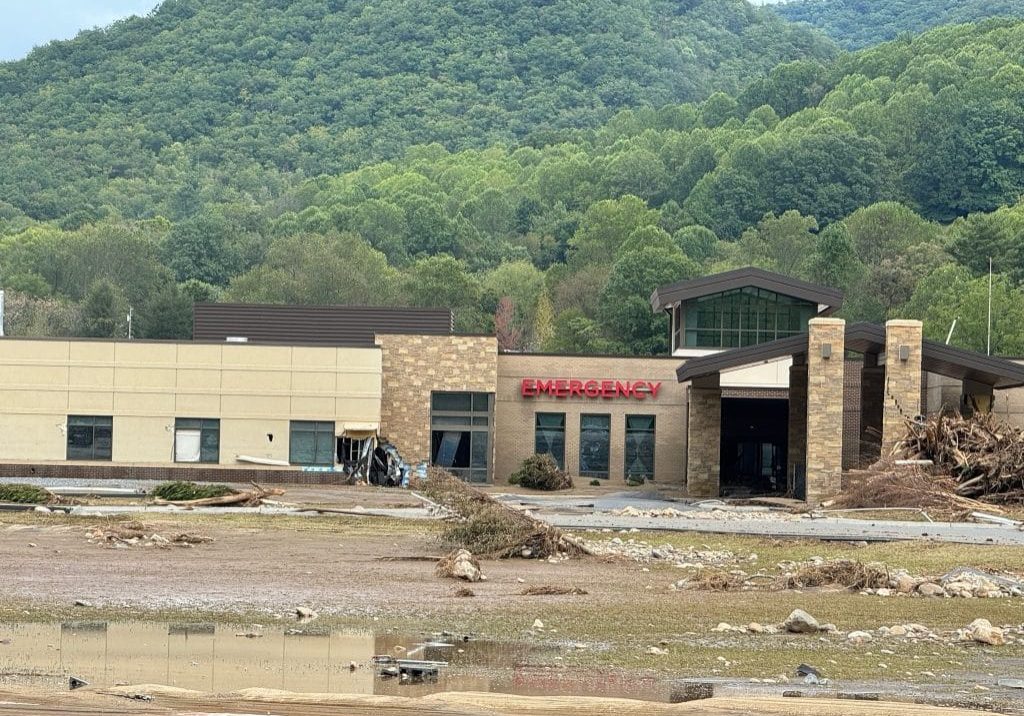
The Washout and Rebuild
For nearly two years, residents of Unicoi County, Tennessee, have had to make do without a hospital after Hurricane Helene destroyed the rural hospital. Ballad Health, which owns the hospital, broke ground on a new location — in another floodplain — in August 2026.
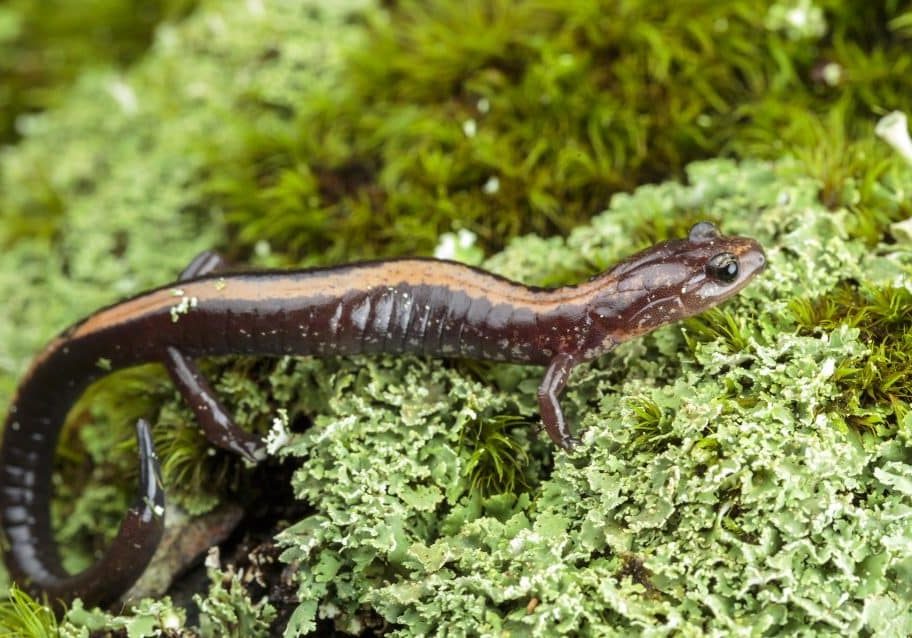
The Shenandoah Salamander
The Shenandoah salamander is a woodland salamander, which has adapted to life at higher elevations away from water. This sparkling rarity lives among the dry leaves, cracked logs, and stony hillocks on the highest peaks of Shenandoah National Park.

Leave a comment
Your email address will not be published. Required fields are marked *
Leave a Comment