

“This is not just my Fight: it’s Appalachia’s Fight” – Larry Gibson
Citizens and friends of the West Virginia mountains remembered more than veterans on Memorial Day by paying their respects to the land and people. Standing with long-time mountaintop removal activist Larry Gibson near his home on Kayford Mountain in West Virginia, over 60 community members and activists traveled to the top of a mountaintop removal (MTR) site in order to visit the Stover Cemetery forgotten among the ruins of Arch Coal’s Samples Mine. The action followed the annual Heartwood Forest Council gathering and Friends of the Mountains Summit for the Mountains, which focused on mountaintop removal.
Access to the cemetery is within the law, according to West Virginia resident and activist Marie Gunnoe, but last time people tried to visit it, security would not let them through the gates.
“We had to call the state police to enforce the law,” Gunnoe said. However, this time security was ready and asked each person visiting the cemetery to fill out a form, including name and last four digits of their social security number.
When everyone was accounted for, the security guards opened the gates. Lois Armstrong, an elderly lady whose grandfather was buried in the cemetery, and Sister Clara Lill, parishioner in a local church, walked through the gates and up the mountainside with the activists.
“I’m walking because I’m an inspiration to the group,” Sister Lill said. As the extreme sun and heat beat down on folks, they traveled towards the cemetery on the exposed mountainside singing “Amazing Grace.” After short breaks and lots of water, the group found the remains of the cemetery buried deep in the small forest that remains on the mountain.
Gathered in a circle barefoot among day lilies and brambles, people stood silent and listened to Mrs. Armstrong talk about her relations buried underfoot. After a moment of silence, people started sharing testimonies about the importance of the mountains.
“The time to play is over,” Gibson said. “I tell people if they aren’t going to do something, they just need to leave. This is not just my fight, either; it’s Appalachia’s fight. When they move the topsoil from this and other mountains, they move the people of Appalachia because the people are the topsoil here.”
Many tears ran down the cheeks of folks gathered from across North America as more people spoke about the importance of mountain ecosystems and mountain culture. Words of inspiration also echoed as familiar phrases from Mother Jones and Chief Seattle were shared with the group.
“When we finally stop the madness, the forest will come back,” John Johnson, a Tennessee activist, said. “The seeds of change have been planted. We will eventually stop this atrocity!”
Related Articles
Latest News
More Stories
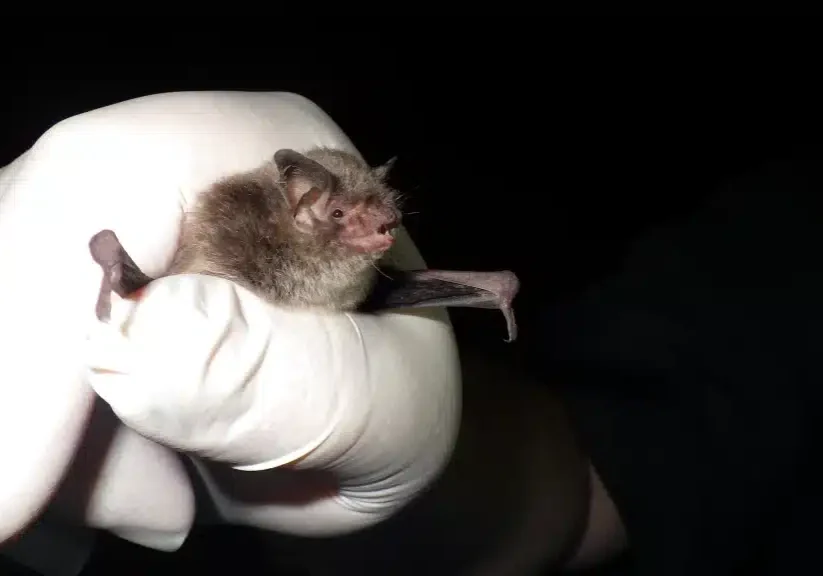
Signs of Life
In the Nantahala National Forest, a team of biologists spotted Indiana bats, an endangered species that hasn’t been seen in North Carolina for the last 11 years.
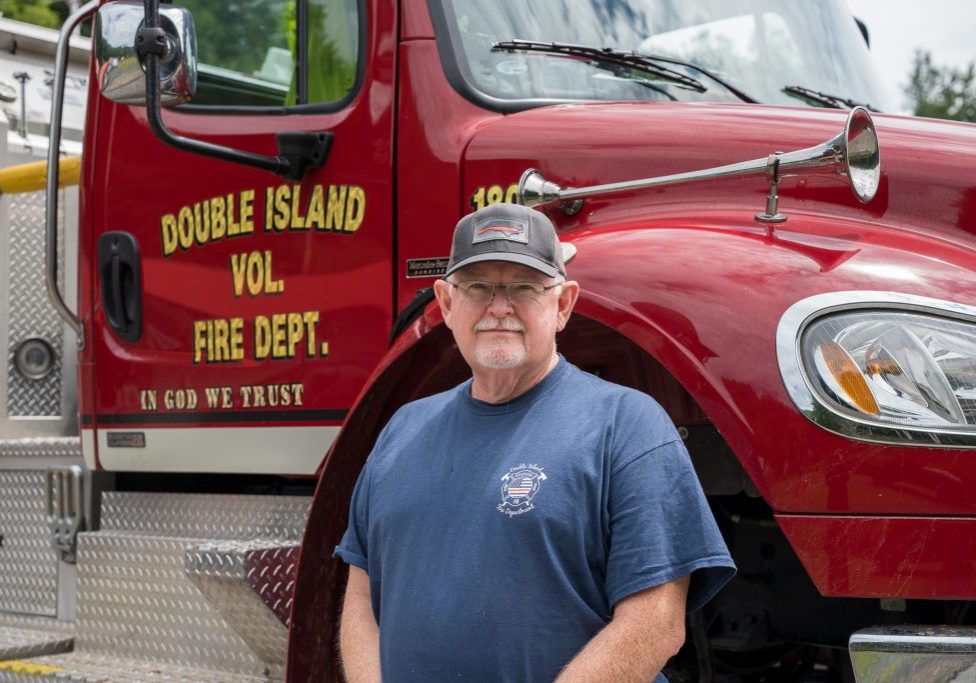
‘First Line of Defense’
During Hurricane Helene and its aftermath, rural fire departments and other first responder hubs played critical roles in keeping their communities safe, even without power and cut off from outside support for days or weeks after the storm. Two years later, plenty of work remains to ensure these hubs have the resources they need to operate day to day and be ready when emergencies or natural disasters strike.
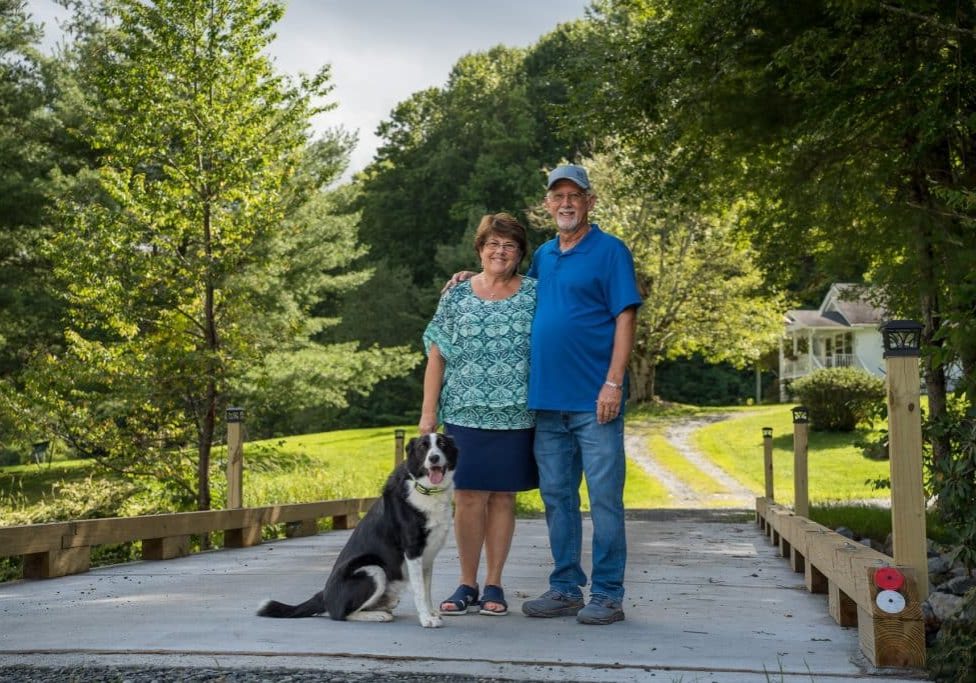
The Rocky Road — and Bridge — to Recovery
Hurricane Helene is estimated to have damaged nearly 7,000 private roads and bridges in Western North Carolina. Two years later, many restoration projects are complete, but the journey hasn’t been easy — and isn’t over for others.
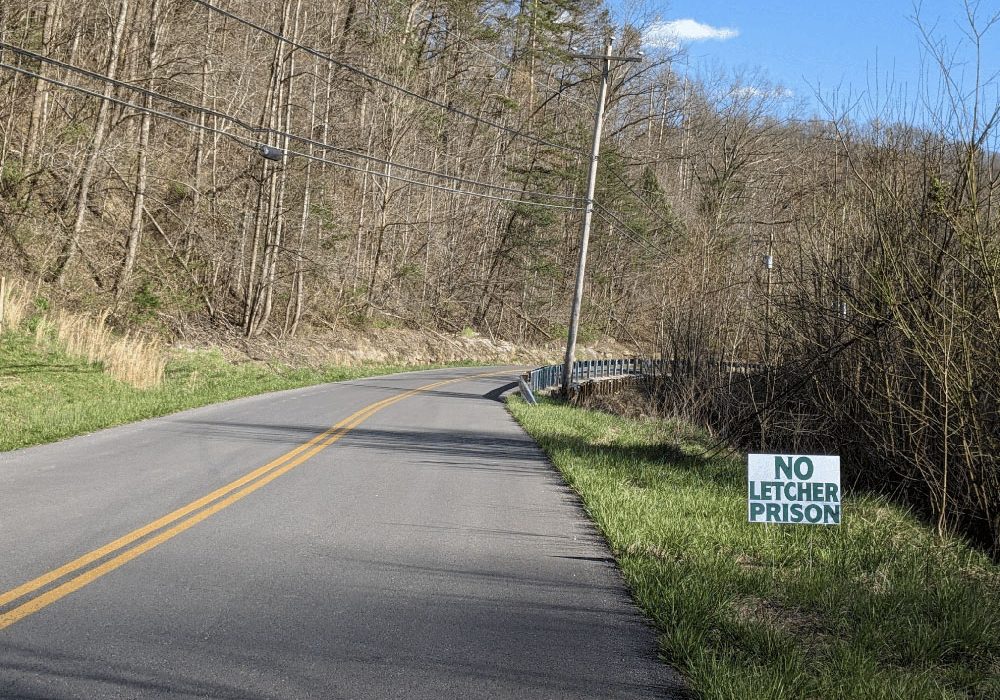
After 20 Years, Letcher County Prison Proposal Is Still Alive, Though Obstacles Remain
A $605 million proposal for a federal prison on a former strip mine site in Letcher County, Kentucky, championed by U.S. Rep. Hal Rogers, refuses to die, despite local opposition, a lack of support from the executive branch and numerous other obstacles.
The Washout and Rebuild
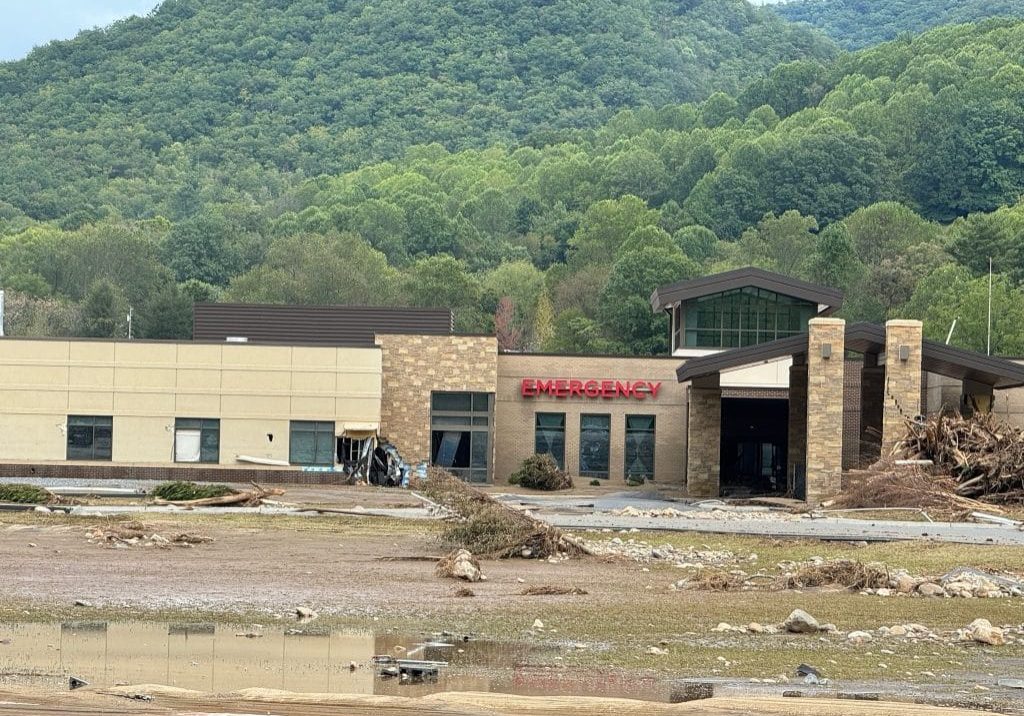
For nearly two years, residents of Unicoi County, Tennessee, have had to make do without a hospital after Hurricane Helene destroyed the rural hospital. Ballad Health, which owns the hospital, broke ground on a new location — in another floodplain — in August 2026.

The Shenandoah Salamander
The Shenandoah salamander is a woodland salamander, which has adapted to life at higher elevations away from water. This sparkling rarity lives among the dry leaves, cracked logs, and stony hillocks on the highest peaks of Shenandoah National Park.

Leave a comment
Your email address will not be published. Required fields are marked *
Leave a Comment