

Clean Smokestacks Bake Sale Helps Raise Awareness
At this rate, more than five million more bake sales would be needed to help American Electric Power company equip two aging electric power plants in Southwestern Virginia with modern pollution control systems.
But since AEP has no plans to clean up their power plants, Appalachian Voices decided to lend a hand.
“We thought we would have a bake sale to help them raise money to buy some scrubbers,” said Mary Anne Hitt, executive director of Appalachian Voices. “A bake sale is a very proud civic tradition — and so is clean air.”
With over $7 billion in profits in 2005, it’s not as if AEP couldn’t afford to clean up the power plants, Hitt noted. And with the American Lung Association’s grade of “F” for clean air, it’s not as if Virginia power producers have any laurels to rest on.
The bake sale attracted considerable media attention, with television crews and newspaper reporters observing. While a bill to compel smokestack clean up by AEP did not pass the Virginia General Assembly this year, volunteers did help make the bake sale a success in terms of getting the clean air message out to voters. A state bill to force utilities to clean up their emissions did pass last year in North Carolina and a similar bill will probably pass in Maryland.
Appalachian Voices MTR briefing is a hit on Capitol Hill
Some 30 Congressional staff members attended a congressional briefing, held by Appalachian Voices this February to promote understanding of mountaintop removal coal mining. Representatives were given a detailed, in-depth look at the damage that mountaintop removal coal-mining does to our homes and communities.
The presentation was chaired by Wilson Orr and backed up by Mary Anne Hitt. The main point was to find co-sponsors for the Clean Water Protection Act to stop mountaintop removal coal-mining. Over 65 have signed onto the legislation.
Also present for the briefing, along with Appalachian Voices volunteers, were Larry Gibson , an outspoken activist and property owner; Judy Bonds, Goldman Prize winner of 2003 for her work organizing Coal River Mountain Watch; Mary Miller and Pauline Canterbury, the Dust Busters of Sylvester, W.Va. who have taken on a coal processing plant where there are major problems with coal dust.
Little Relief in Sight For Deadly, Dirty Air
Roanoke Times editorial,
Feb. 14, 2006
… One of the reasons air quality has remained so poor is that too few people have paid attention. That is beginning to change with at least some key players in Richmond taking notice. Appalachian Voices, a regional conservation group that successfully lobbied North Carolina for passage of the Clean Smokestacks Act, is also raising public awareness.
Appalachian Voices recently held a bake sale at Virginia Tech, raising $74 in a symbolic gesture to start a fund to help AEP lower pollution. An estimated $408 million is needed, an amount that sets tight-fisted naysayers screaming about costs, rate hikes and burdens on businesses. Yet, Virginia is poised to grant a rate hike to help AEP finance similar work outside the state. Passage of the Clean Smokestacks Act would prompt AEP to scrub the sources belching deadly materials into the “cones of death” in Virginia as well.
Mountaintop mining raises debate in coal country
From National Geographic News Service (Jan. 2006)
Harm to the Environment
Although some communities are finding uses for the newly flattened land, MTR has many opponents.
Lenny Kohm, campaign director for the nonprofit group Appalachian Voices in Boone, North Carolina, says the practice is dangerous to local residents.
He points to rock debris and so-called impoundments, or walled-off areas that hold the water used in the coal-mining process.
Sometimes the impoundments give way, causing flooding, he says.
“The impoundments are a tragedy waiting to happen,” Kohm said. “MTR transfers the risk from the miners to the general population that lives near the impoundments.”
news.nationalgeographic.com/ news/2006/01/0113_060113_mountain_mine_2.html
]
Related Articles
Latest News
More Stories
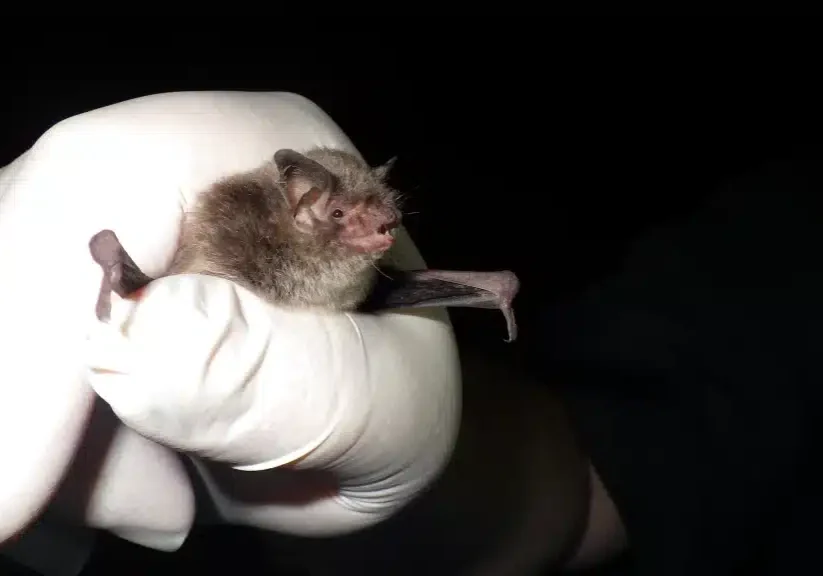
Signs of Life
In the Nantahala National Forest, a team of biologists spotted Indiana bats, an endangered species that hasn’t been seen in North Carolina for the last 11 years.
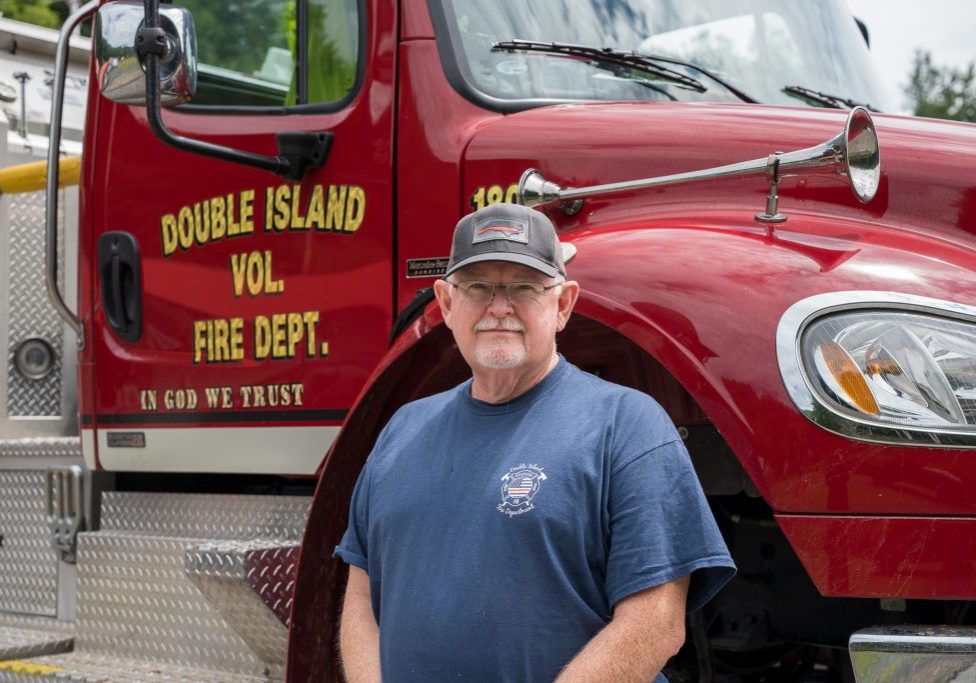
‘First Line of Defense’
During Hurricane Helene and its aftermath, rural fire departments and other first responder hubs played critical roles in keeping their communities safe, even without power and cut off from outside support for days or weeks after the storm. Two years later, plenty of work remains to ensure these hubs have the resources they need to operate day to day and be ready when emergencies or natural disasters strike.
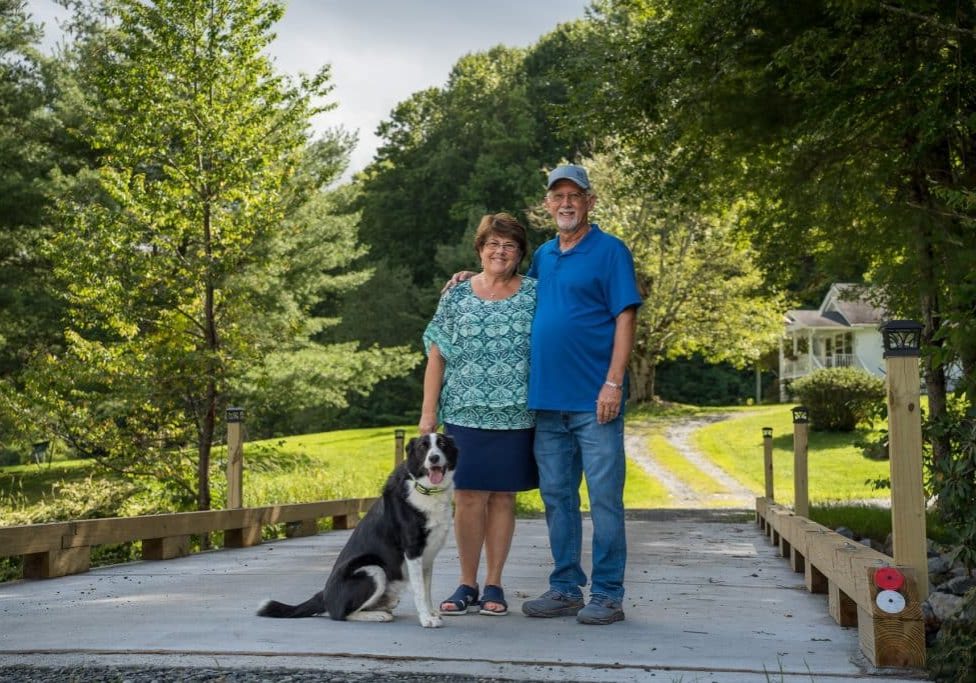
The Rocky Road — and Bridge — to Recovery
Hurricane Helene is estimated to have damaged nearly 7,000 private roads and bridges in Western North Carolina. Two years later, many restoration projects are complete, but the journey hasn’t been easy — and isn’t over for others.
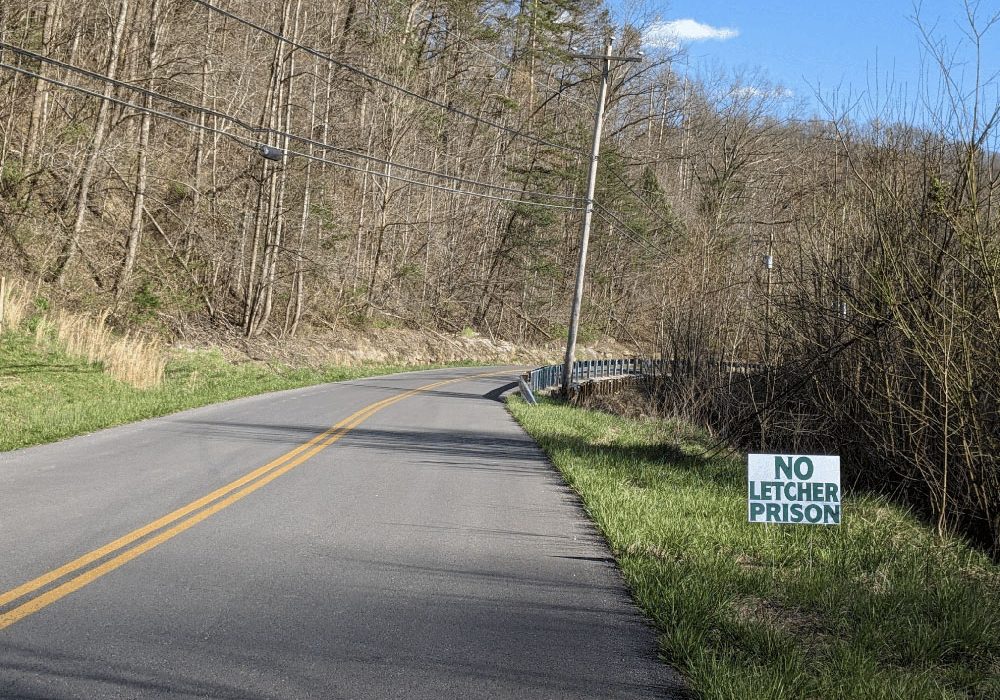
After 20 Years, Letcher County Prison Proposal Is Still Alive, Though Obstacles Remain
A $605 million proposal for a federal prison on a former strip mine site in Letcher County, Kentucky, championed by U.S. Rep. Hal Rogers, refuses to die, despite local opposition, a lack of support from the executive branch and numerous other obstacles.
The Washout and Rebuild
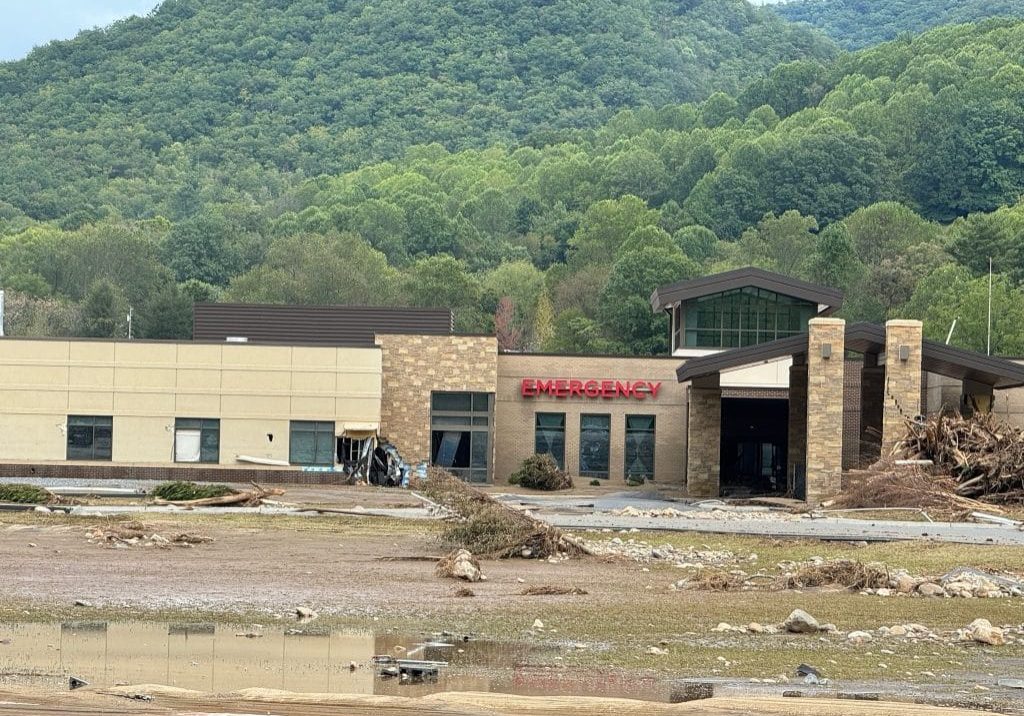
For nearly two years, residents of Unicoi County, Tennessee, have had to make do without a hospital after Hurricane Helene destroyed the rural hospital. Ballad Health, which owns the hospital, broke ground on a new location — in another floodplain — in August 2026.

The Shenandoah Salamander
The Shenandoah salamander is a woodland salamander, which has adapted to life at higher elevations away from water. This sparkling rarity lives among the dry leaves, cracked logs, and stony hillocks on the highest peaks of Shenandoah National Park.

Leave a comment
Your email address will not be published. Required fields are marked *
Leave a Comment