

Flying Friendly Skies Over a Fragile Land


A CRITICAL RESOURSE FOR CONSERVATION Harvard Ayers and Mark Shelley of the Southern Appalachian Forest Coalition wait on the runway before taking a Southwings flight to view mountaintop removal operations in West Virginia.
Southwings, the environmental flying service of the South, is an organization of about a dozen dedicated, skilled pilots who fly environmentalists, journalists and decision-makers over Appalachian industrial development gone awry. These mostly volunteer aviators have flown us over forests devastated by clear cuts, over chip mills, over power plants, and over the decapitated mountains of the coal fields. They also work along the East and Gulf Coasts of the Southeast from Louisiana to the Chesapeake Bay.
I met Southwings founder Hume Davenport in 1996, just before he moved from New Mexico back to his Tennessee hometown of Chattanooga. He had flown for several years for the famed environmental flying service LightHawk. He expressed to me his intent to establish his own flying service for the South. Since no such thing existed for us here in the Appalachians, I soon had three or four projects in mind for him, and the rest, so to speak, is history.
That history includes transporting about every environmental organization in the South to gain a better perspective on the many threats to our land and communities. Hume and his fellow pilots have flown about 1000 people (3-5 at a time) over the mountaintop removal areas of West Virginia and Kentucky. Their clients on the flights include journalists of many newspapers like the New York Times, the Washington Post and the Los Angeles Times as well as magazines like National Geographic.
On one particular flight, I tagged along with Hume when he flew staff of US Congressman Frank Pallone over the coal fields to see the square miles of decapitated mountains. I remember hearing gasps of “I can’t believe this” as we circled the industrial moonscape below. These Congressional staff were already very familiar with mountaintop removal from readings and pictures. But the view of it from only 1000 feet up was enough to prompt a phone call to me a week later. The staff woman told me, “If I were not working for Mr. Pallone, I would be looking for a job in the coal fields to stop this abomination.” That’s the kind of support we need in the halls of Congress. Indeed, Mr. Pallone is a strong sponsor of the Clean Water Protection Act which would make mountaintop removal very difficult.
Over their almost ten years of service, Southwings has gone from one pilot, Hume, to the current dozen. They have gone from searching for clients among environmental groups to being the go-to flying service for environmental issues for all the major media in the East. They have gone from scouring the funding sources in the Southeast to keep their planes in the air to leveraging substantial funding for the environmental groups they serve. And because they have become the go-to air service for environmental groups in the region, they find themselves as the go-betweens between states and regions, transferring important environmental tools from one group to another. In summary, in many ways, Southwings is the glue that draws environmental groups in the South together.
Related Articles
Latest News
More Stories

Halloween Approaches, and Night School Is in Session
The House of Art in Bluefield, West Virginia, looks like a haunted tower, making it the perfect location for its sixth annual haunt event: Night School. The Night School will be open every Friday and Saturday night through Oct. 31.
‘The Most Perfect Act of Love’
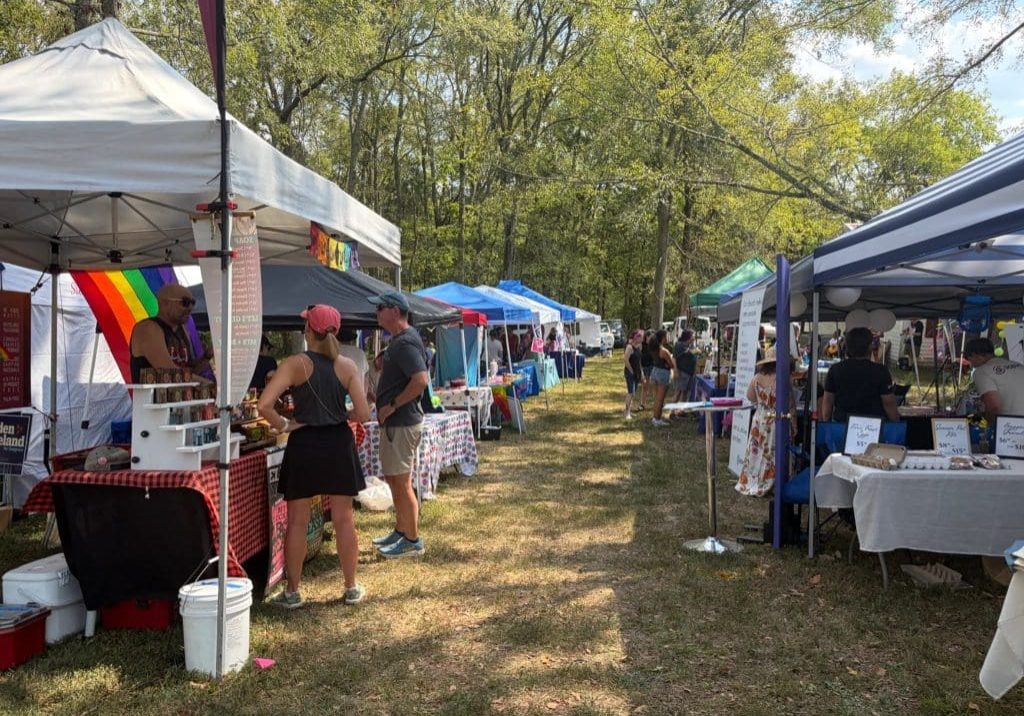
After losing its rural pride celebration, hundreds of people attended the second annual Affirming Sumner Pride celebration on a 24-acre farm dubbed “Fruity Farm” in Bethpage, Sumner County, Tennessee.
Signs of Life
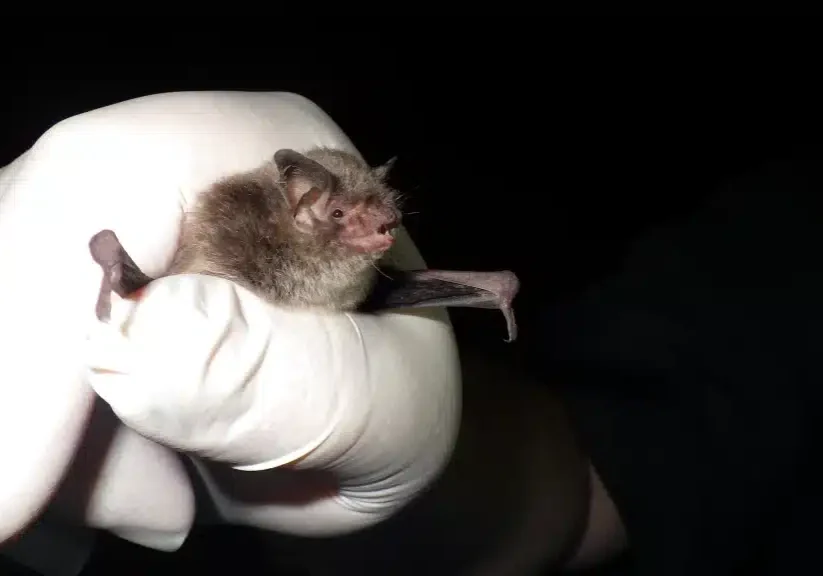
In the Nantahala National Forest, a team of biologists spotted Indiana bats, an endangered species that hasn’t been seen in North Carolina for the last 11 years.

‘First Line of Defense’
During Hurricane Helene and its aftermath, rural fire departments and other first responder hubs played critical roles in keeping their communities safe, even without power and cut off from outside support for days or weeks after the storm. Two years later, plenty of work remains to ensure these hubs have the resources they need to operate day to day and be ready when emergencies or natural disasters strike.

The Rocky Road — and Bridge — to Recovery
Hurricane Helene is estimated to have damaged nearly 7,000 private roads and bridges in Western North Carolina. Two years later, many restoration projects are complete, but the journey hasn’t been easy — and isn’t over for others.
After 20 Years, Letcher County Prison Proposal Is Still Alive, Though Obstacles Remain
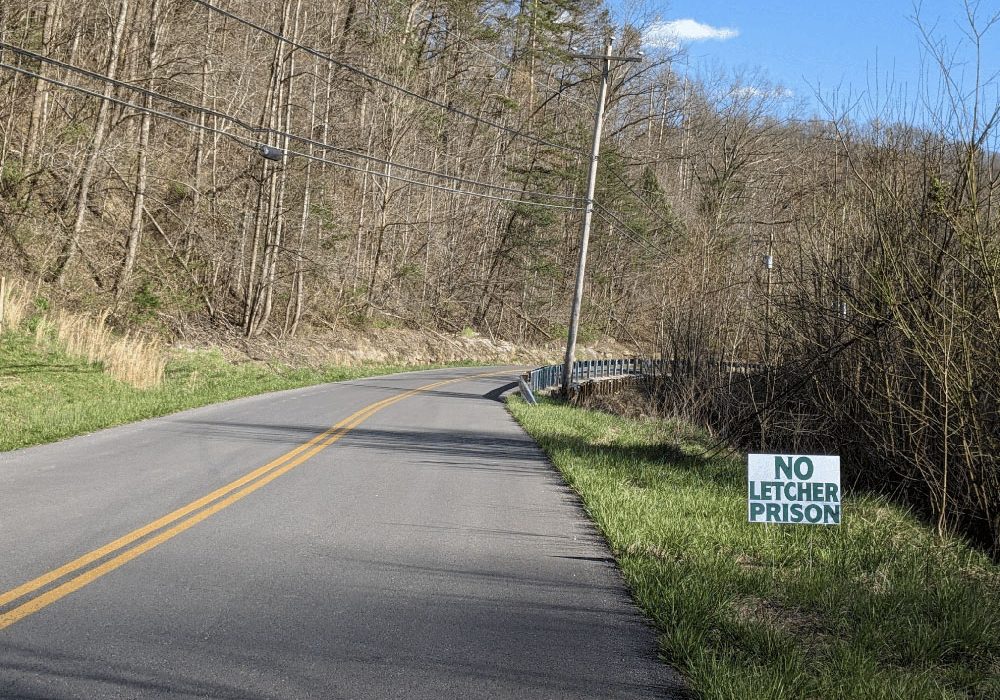
A $605 million proposal for a federal prison on a former strip mine site in Letcher County, Kentucky, championed by U.S. Rep. Hal Rogers, refuses to die, despite local opposition, a lack of support from the executive branch and numerous other obstacles.

Leave a comment
Your email address will not be published. Required fields are marked *
Leave a Comment