

Protecting a Southern Legacy
editor’s note:
In the last issue of the Appalachian Voice, we wrote about the incredible discovery of an ivory-billed woodpecker – previously thought extinct for more than 50 years – in the lowland cypress forests of Arkansas. As a follow-up, we decided to include this short piece from the good folks at the Gulf Restoration Network in Louisiana to let our readers know what they can do to help ensure the survival of one of America’s most magnificent birds – and one of the South’s most endangered forest communities.
In 2002, environmental groups in Louisiana discovered that Mr. Glen Miller, owner of Timber Resources of Mississippi, was determined to clear-cut 9000 acres of cypress forest near Lake Maurepas in St. John the Baptist Parish, Louisiana. This proved to be just the first of many proposals to clear-cut Louisiana cypress forests to meet a growing market for cypress garden mulch. While companies that make cypress boards and flooring have often sold mulch as a by-product, there are now operators who are strictly mulch producers. While clear cutting is always regrettable, even for timber—in the case of Louisiana cypress forests clear cutting for mulch is indefensible. In many cases, these forests will be forever lost.
Louisiana’s cypress forests are of tremendous ecological, cultural and recreational value. These wetland forests are uniquely suited to reduce the negative impacts of nutrient pollution and provide floodwater storage. They serve as important habitat for threatened and endangered species such as the Louisiana black bear, bald eagle, and the recently rediscovered ivory billed woodpeckers. In addition, millions of birds, including virtually all of the eastern neotropical migrants in the United States, rely on these forests during the spring and fall migration. The loss of these resources would be incalculably devastating.
Although Louisiana’s wetlands face a number of serious threats, such as coastal land loss and development, the immediate and critical threat to these valuable resources is the prospect of widespread clear cutting to produce cypress garden mulch.
IMPACT:
According to a report of the Louisiana Science Working Group on Coastal Wetland Forest Conservation and Use (SWG), after being cut, many of Louisiana’s cypress swamps will never regenerate. Hydrology in the swamps of Louisiana has altered tremendously during the last two centuries, reducing the capacity for regeneration in many stands. Water levels are persistently too high–even artificial regeneration through the planting of seedlings will be ineffective. Without regeneration, harvesting will lead to major changes in the type of vegetation, reduced productivity of these forests, and conversion of these areas to marsh or open water. The forests will be lost.
THE SOLUTION:
Existing federal and state regulatory programs cannot stop the loss of these forests. We must reduce the market for cypress mulch–hence reducing the economic incentive for the cutting of these precious forests. This is why the Gulf Restoration Network and its Louisiana partners are asking all conservation minded citizens to say “no” to cypress mulch, and to ask local retailers to stop carry this environmentally destructive and non sustainable product. It is up to us to ensure that the Cypress Swamps of Louisiana do not become another Louisiana legend. It is up to us to ensure that the Cypress Swamps of Louisiana remain a Legacy for future generations.
Related Articles
Latest News
More Stories
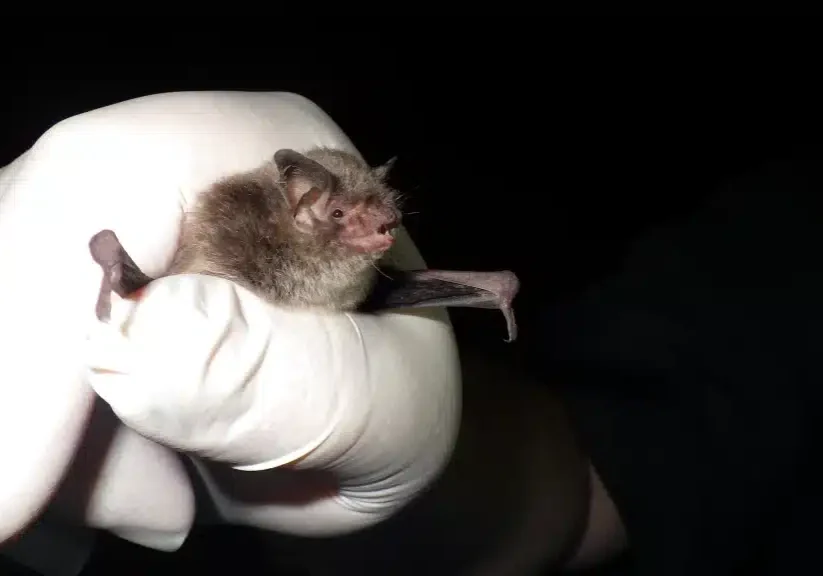
Signs of Life
In the Nantahala National Forest, a team of biologists spotted Indiana bats, an endangered species that hasn’t been seen in North Carolina for the last 11 years.

‘First Line of Defense’
During Hurricane Helene and its aftermath, rural fire departments and other first responder hubs played critical roles in keeping their communities safe, even without power and cut off from outside support for days or weeks after the storm. Two years later, plenty of work remains to ensure these hubs have the resources they need to operate day to day and be ready when emergencies or natural disasters strike.

The Rocky Road — and Bridge — to Recovery
Hurricane Helene is estimated to have damaged nearly 7,000 private roads and bridges in Western North Carolina. Two years later, many restoration projects are complete, but the journey hasn’t been easy — and isn’t over for others.
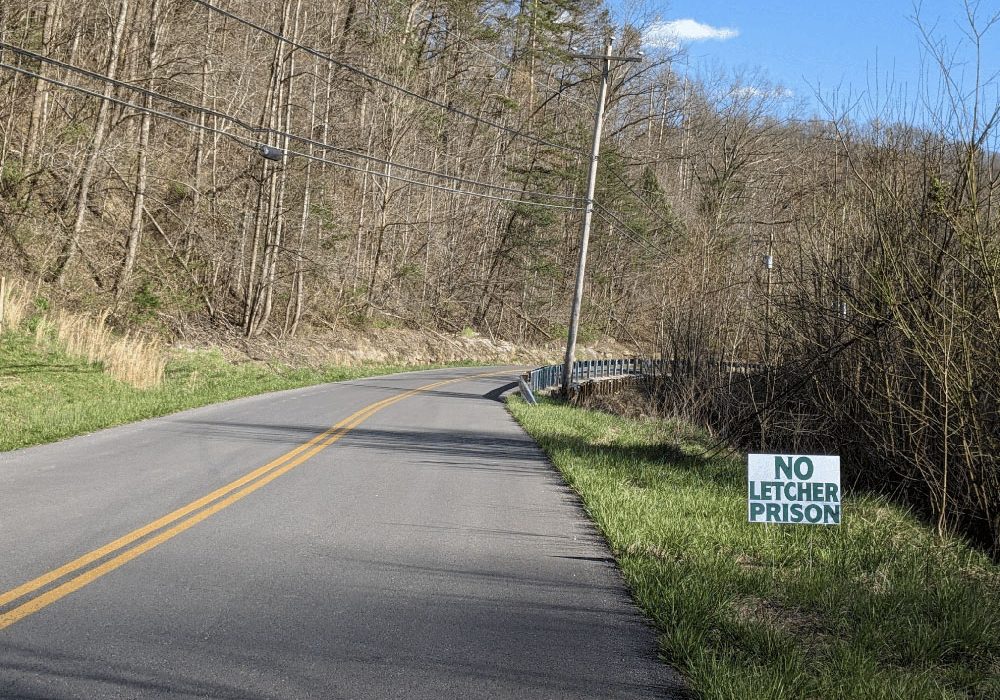
After 20 Years, Letcher County Prison Proposal Is Still Alive, Though Obstacles Remain
A $605 million proposal for a federal prison on a former strip mine site in Letcher County, Kentucky, championed by U.S. Rep. Hal Rogers, refuses to die, despite local opposition, a lack of support from the executive branch and numerous other obstacles.
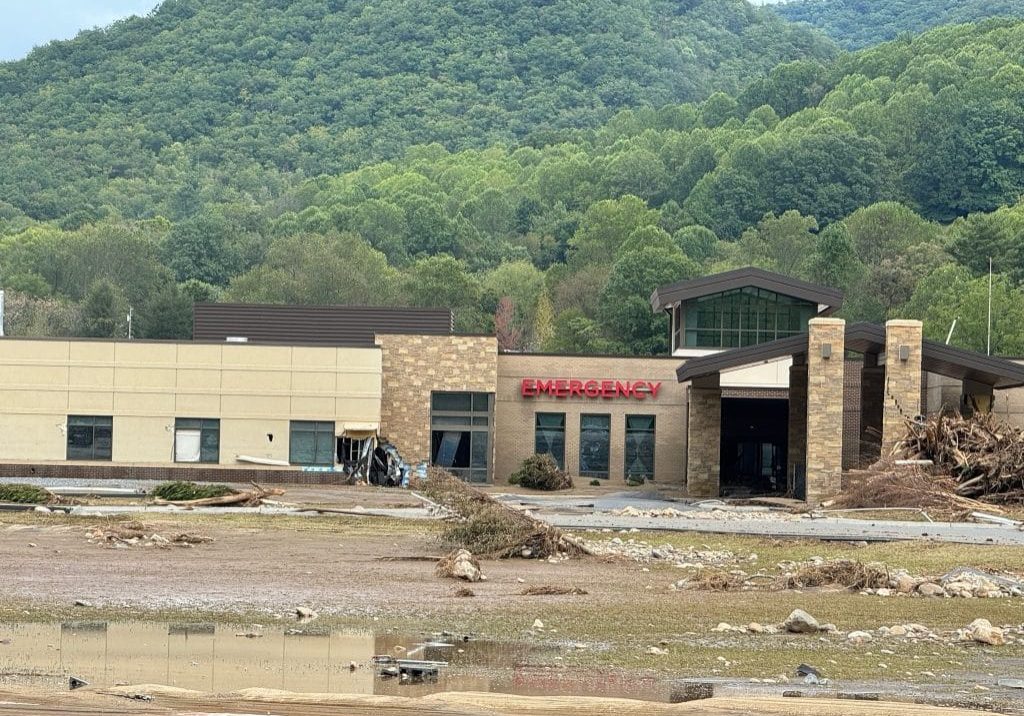
The Washout and Rebuild
For nearly two years, residents of Unicoi County, Tennessee, have had to make do without a hospital after Hurricane Helene destroyed the rural hospital. Ballad Health, which owns the hospital, broke ground on a new location — in another floodplain — in August 2026.
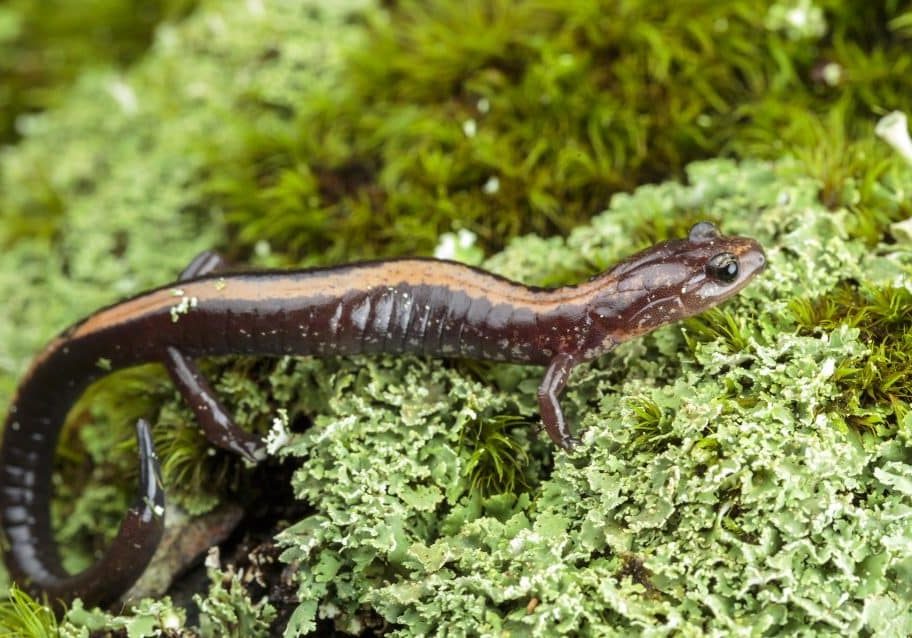
The Shenandoah Salamander
The Shenandoah salamander is a woodland salamander, which has adapted to life at higher elevations away from water. This sparkling rarity lives among the dry leaves, cracked logs, and stony hillocks on the highest peaks of Shenandoah National Park.

Leave a comment
Your email address will not be published. Required fields are marked *
Leave a Comment