

New Group Brings Christian Ethics to Conservation
“The Earth is the Lord’s” was the theme of over 20 Christians gathering in Charleston to organize a strategy to protect and restore God’s creation in the Appalachian region. Deriving their stance from an array of scriptures including Psalm 24’s “The Earth is the Lord’s,” the group pledged their efforts to mobilize Christians and their churches to combat grievous ravages against God’s Earth such as mountaintop removal coal mining.
Several of those attending are well-established activists in secular environmental groups. Judy Bonds, an internationally-acclaimed grassroots activist with the Whitesville, WV – based community organization Coal River Mountain Watch, exclaimed, “My faith in God is what gives me motivation and strength to carry on in the fight to save the mountains and the communities.” Christians for the Mountains will build its own unique faith-based identity in order to reach out to Christians and their churches.
One highlight of the gathering was a trip to Kayford Mountain, site of a massive mountaintop removal operation. Larry Gibson, who owns and protects a small piece of property as an island in the midst of the surrounding moonscape of blasted mountains, gave an impassioned speech to the group.
“I’m so glad you are here, but why did you [meaning Christians] take so long?” Impressed by the visual impact of a mountaintop removal site, the group agreed that inviting and urging church groups to visit Gibson’s property and for clergy to take airplane flyovers would be an effective strategy to teach and motivate them to action.
The group included Catholic and Protestant Christians. Initially the organization will consist of a temporary steering committee that will develop an initial constituency, expand a network for communication, build a web page, work on a visual media presentation specifically geared for church audiences, and participate in public events including Mountain Justice Summer. As the network develops, persons will be encouraged and facilitated to contact their local churches, write letters to newspaper editors, set up talks at church conferences, and encourage and challenge people of every walk to reflect biblically, theologically, and within their church tradition their responsibility toward God for creation. A mission statement is in the process of development.
Christians for the Mountains needs people who identify with Christian faith and concern for the environment to contact us. Mobilizing the many people in Appalachia who identify with Christian faith to personally take responsibility for the God’s creation and to advocate for public policy that will restore and protect God’s creation will make an extraordinary positive effect.
For more information or to get involved with “Christians for the Mountains” visit the www.christiansforthe mountains.org or email [email protected].
Related Articles
Latest News
More Stories

Signs of Life
In the Nantahala National Forest, a team of biologists spotted Indiana bats, an endangered species that hasn’t been seen in North Carolina for the last 11 years.
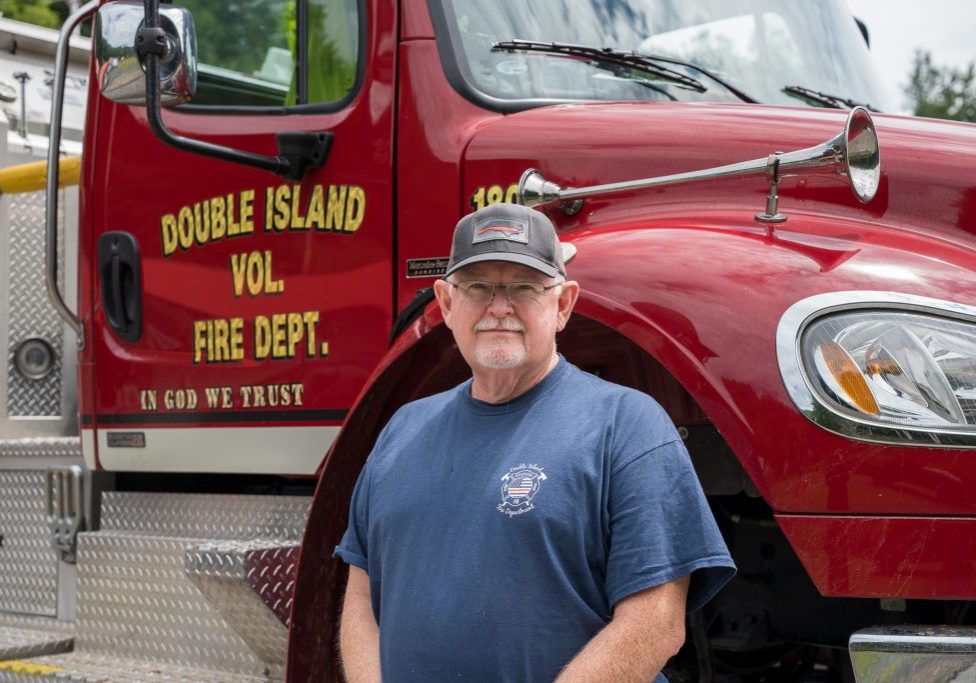
‘First Line of Defense’
During Hurricane Helene and its aftermath, rural fire departments and other first responder hubs played critical roles in keeping their communities safe, even without power and cut off from outside support for days or weeks after the storm. Two years later, plenty of work remains to ensure these hubs have the resources they need to operate day to day and be ready when emergencies or natural disasters strike.
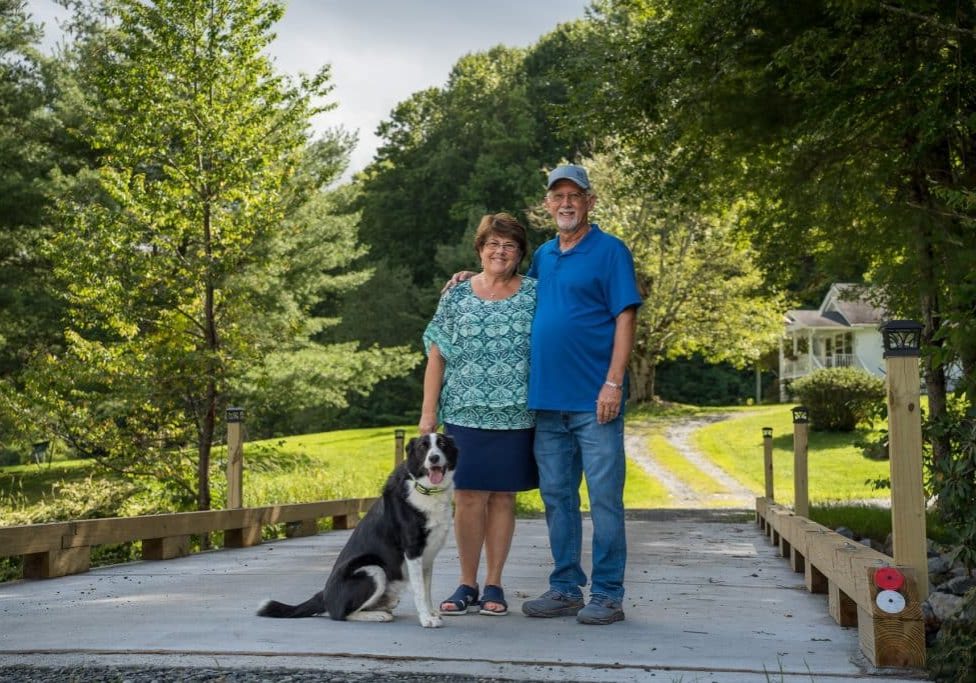
The Rocky Road — and Bridge — to Recovery
Hurricane Helene is estimated to have damaged nearly 7,000 private roads and bridges in Western North Carolina. Two years later, many restoration projects are complete, but the journey hasn’t been easy — and isn’t over for others.
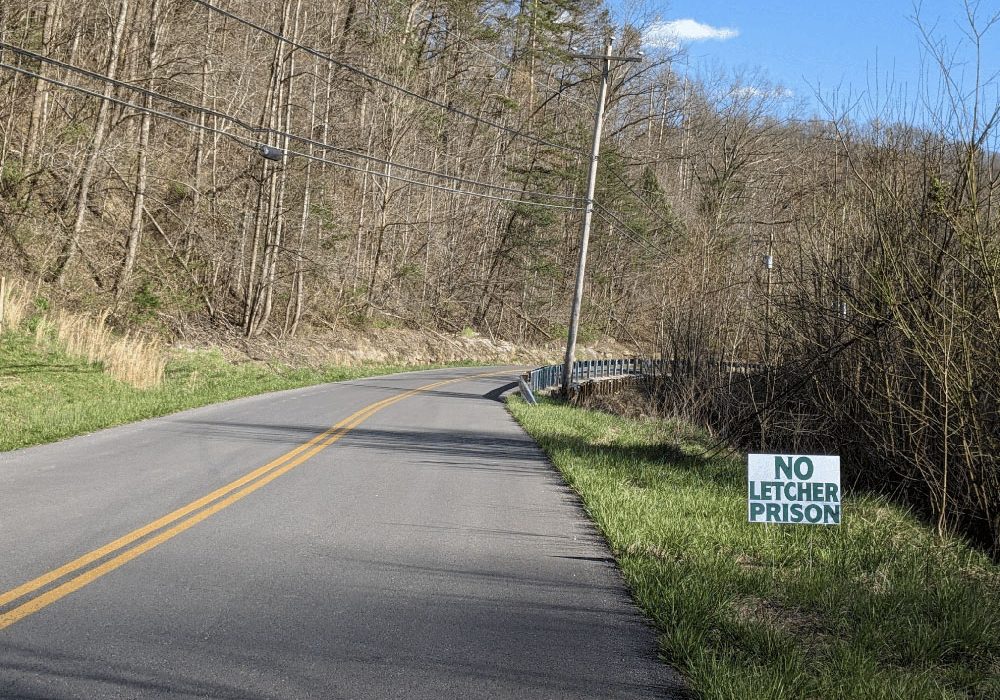
After 20 Years, Letcher County Prison Proposal Is Still Alive, Though Obstacles Remain
A $605 million proposal for a federal prison on a former strip mine site in Letcher County, Kentucky, championed by U.S. Rep. Hal Rogers, refuses to die, despite local opposition, a lack of support from the executive branch and numerous other obstacles.
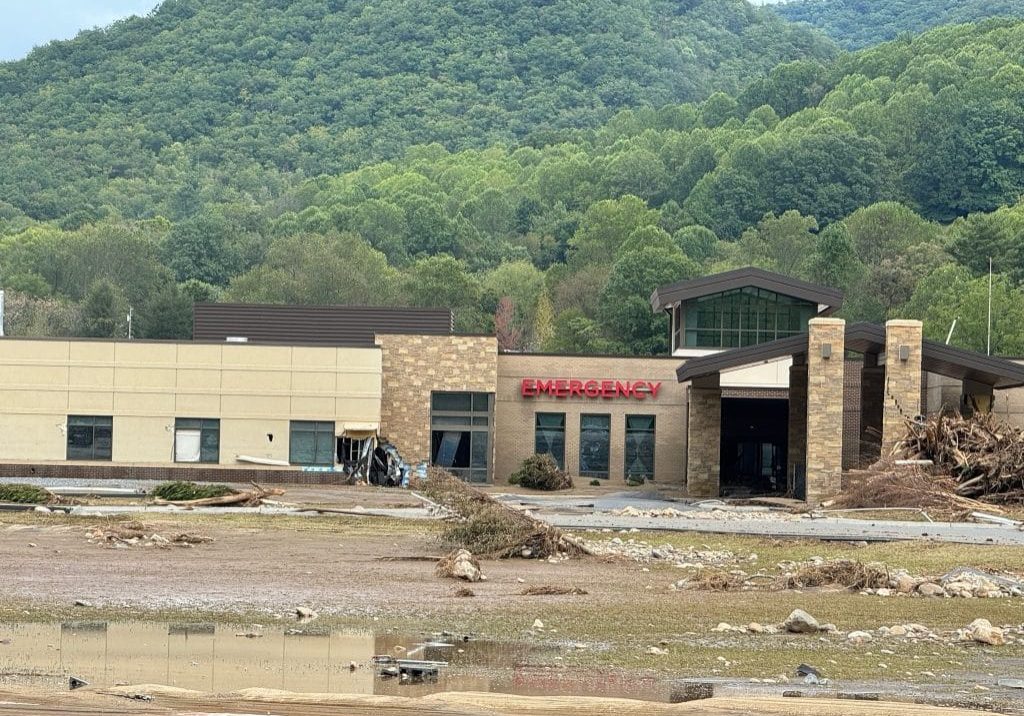
The Washout and Rebuild
For nearly two years, residents of Unicoi County, Tennessee, have had to make do without a hospital after Hurricane Helene destroyed the rural hospital. Ballad Health, which owns the hospital, broke ground on a new location — in another floodplain — in August 2026.

The Shenandoah Salamander
The Shenandoah salamander is a woodland salamander, which has adapted to life at higher elevations away from water. This sparkling rarity lives among the dry leaves, cracked logs, and stony hillocks on the highest peaks of Shenandoah National Park.

Leave a comment
Your email address will not be published. Required fields are marked *
Leave a Comment