

Standing Up – and Sitting Down – for the Mountains
As this issue of the Appalachian Voice goes to press, Ed Wiley, a grandfather from West Virginia’s Coal River Valley, has just ended his sit in and hunger strike on the steps of the West Virginia state capitol. Wiley, a coal miner, went to Charleston to demand a meeting with Governor Joe Manchin about a permit just issued to build a new coal silo 260 feet from Marsh Fork Elementary School.
For years, Marsh Fork and the kids who go to school there have been suffering from the impacts of mountaintop removal mining in the Coal River Valley. The kindergarten through fifth-grade school is surrounded by a Massey Energy preparation plant, coal silo, 1,849-acre mountaintop removal mine site and 2.8 billion-gallon coal sludge dam. The dam is essentially a toxic waste storage facility constructed of earth and coal waste, holding back a massive reservoir of coal sludge that looms over the school.
This summer, Massey applied for a permit to build a second coal silo next to the school. The original coal silo stores powdered coal and loads rail cars 150 feet from school grounds. After loading, the operation sprays a binding agent over the coal.
It was the last straw for the people of the Coal River Valley. Numerous coalfield residents and their supporters have been arrested this summer in opposition to the expansion of the facility, but despite their concerns, the permit was issued in June. As the grandfather of a child who attends Marsh Fork, Ed Wiley decided to take the issue to the governor’s doorstep.
“It breaks my heart to send my granddaughter to that school,” Wiley said. “Coal dust and chemicals on the playground and in the air system cannot be good for kids. These are their formative years; they shouldn’t be breathing coal dust.”
The governor responded by meeting with Wiley and agreeing to review the permit. According to the Charleston Gazette, the governor will explore a number of options, including moving the school.
Meanwhile, the state of West Virginia is considering the fate of Blair Mountain, proposed for historic preservation by a state commission but still subject to final action by the state. The mountain was the location of a historic showdown in the 1920s between coal miners, coal companies, and the US government in the struggle to establish a miners’union. Big mining companies are unsurprisingly opposed to historic designation, fearing (and we hope rightly) that it would interfere with their designs to destroy that majestic and historic mountain in pursuit of a few seams of coal. While we are pleased to bring you an article in this issue of the Voice about this modern battle for Blair Mountain by renowned author and West Virginia native Denise Giardina, it is nothing short of tragic that the fate of that mountain should be in question.
The battle being waged over the fate of the coalfields is ultimately a battle between the long-term prosperity of West Virginians vs. the short-term gain for a few wealthy coal companies. Decision-makers can take the long view and ensure a viable future for the coalfields by protecting kids and families, historic sites, clean water, and economic opportunity for the region or they can continue rubber-stamping mountaintop removal permits, allowing business as usual to drive families out of the region, pollute water resources, and destroy the natural and cultural wealth and the future economic potential of historic sites and natural areas in Appalachia. Whether you sit down on the capitol steps contact your representative, or write a letter to the editor, history has shown time and again that it is up to dedicated and courageous citizens like Ed Wiley, and many of the readers of this newspaper, to call on our decision makers to do the right thing for our families, our mountains, and our future.
Related Articles
Latest News
More Stories

Signs of Life
In the Nantahala National Forest, a team of biologists spotted Indiana bats, an endangered species that hasn’t been seen in North Carolina for the last 11 years.

‘First Line of Defense’
During Hurricane Helene and its aftermath, rural fire departments and other first responder hubs played critical roles in keeping their communities safe, even without power and cut off from outside support for days or weeks after the storm. Two years later, plenty of work remains to ensure these hubs have the resources they need to operate day to day and be ready when emergencies or natural disasters strike.

The Rocky Road — and Bridge — to Recovery
Hurricane Helene is estimated to have damaged nearly 7,000 private roads and bridges in Western North Carolina. Two years later, many restoration projects are complete, but the journey hasn’t been easy — and isn’t over for others.
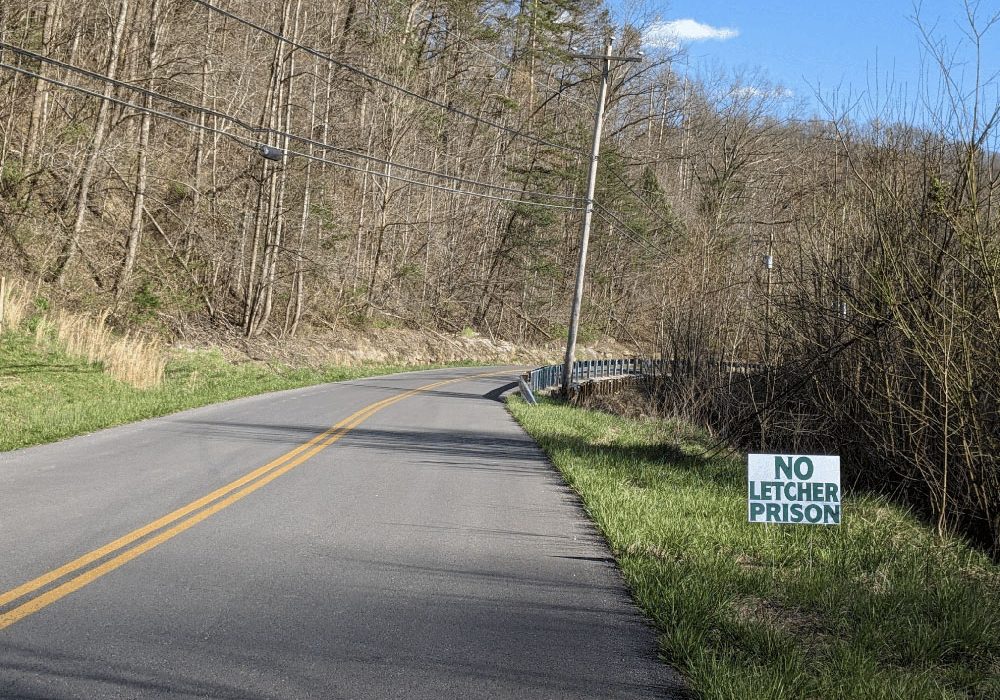
After 20 Years, Letcher County Prison Proposal Is Still Alive, Though Obstacles Remain
A $605 million proposal for a federal prison on a former strip mine site in Letcher County, Kentucky, championed by U.S. Rep. Hal Rogers, refuses to die, despite local opposition, a lack of support from the executive branch and numerous other obstacles.
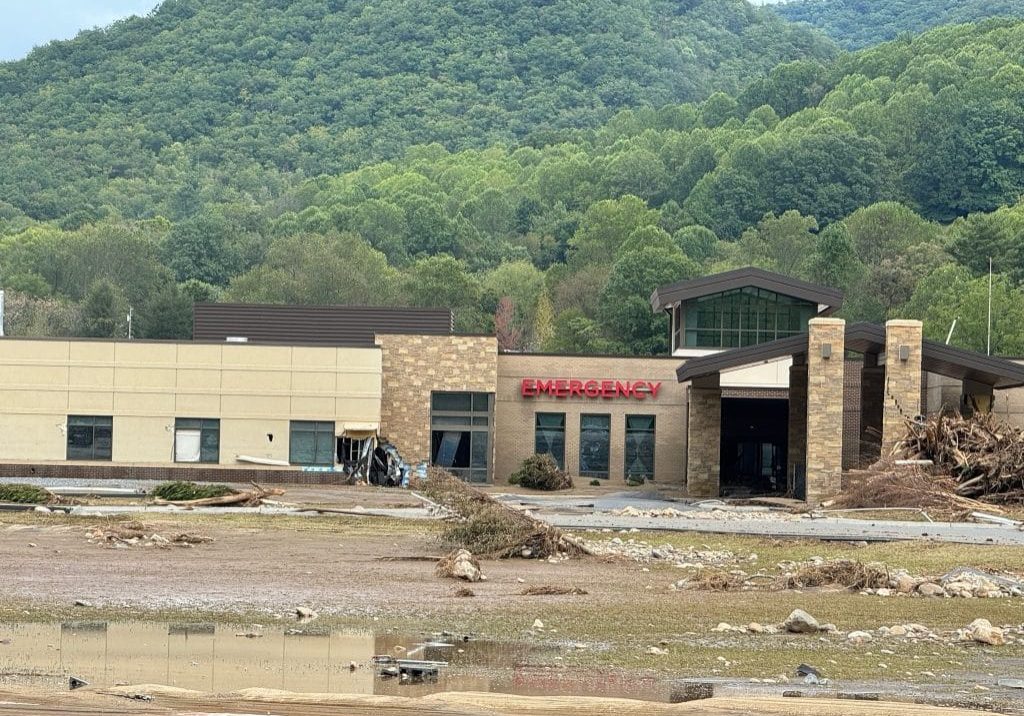
The Washout and Rebuild
For nearly two years, residents of Unicoi County, Tennessee, have had to make do without a hospital after Hurricane Helene destroyed the rural hospital. Ballad Health, which owns the hospital, broke ground on a new location — in another floodplain — in August 2026.

The Shenandoah Salamander
The Shenandoah salamander is a woodland salamander, which has adapted to life at higher elevations away from water. This sparkling rarity lives among the dry leaves, cracked logs, and stony hillocks on the highest peaks of Shenandoah National Park.

Leave a comment
Your email address will not be published. Required fields are marked *
Leave a Comment