

States Should Step In to Safeguard the Mountains
As this issue of the Appalachian Voice goes to press, the US Senate Committee on Environment and Public Works is poised to vote on the Clear Skies Act. Despite its misleading name, Clear Skies would actually make air pollution worse by allowing the release of greater amounts of pollutants like mercury, while delaying clean up of our dirtiest power plants. The US Environmental Protection Agency’s (EPA) own studies have shown that we would see better improvements in air quality if we just enforced the existing Clean Air Act. Regardless of the outcome of the vote, the administration has announced they will prioritize pushing Clear Skies through over the next two years, piece by piece if necessary.
What does that mean for the mountains? In 2002, North Carolina passed its own Clean Smokestacks Act to clean up pollution from coal fired power plants in the Tarheel State. If Clear Skies were to pass, North Carolina’s air pollution could actually get worse in the coming years as emissions from neighboring states increase.
States without their own clean air protections stand to lose even more.
Our region suffers from some of the worst air pollution in America, increasing the risk of heart attacks and lung disease for everyone in the mountains. The ten cities with the highest death rates from power plant air pollution are all in the central and southern Appalachians. In North Carolina alone, 1,800 people die prematurely from air pollution every year, three times the number killed by drunk drivers. Air pollution in the Great Smoky Mountains is worse than any other national park in the nation, causing a haze that blocks views and causes business leaders to worry about the future of tourism, the states number one industry.
As national environmental rollbacks continue, states are realizing that if they want to protect public health and the economy, they are going to have to do it themselves. While northeastern states and North Carolina have demanded solutions for years, several new states are stepping up. The Chicago Tribune reports that five Midwestern states that produce a quarter of the nation’s power plant pollution are considering passing air pollution laws of their own. A Clean Smokestacks Act was introduced in the Virginia legislature this year. While it did not pass, its lead sponsor has vowed to reintroduce the bill next year.
Air pollution is not the only environmental challenge facing states in our region. Devastation caused by mountaintop removal is forcing some coalfield states to take a hard look at whether they are doing enough to protect their citizens. In Virginia, the legislature recently passed a law in response to the tragic death of Jeremy Davidson, a toddler who was killed by a boulder from a mountaintop removal operation last year. Many coalfield residents say the bill, which was backed by the coal industry, doesn’t offer many real protections. But the fact that it flew through the legislature in twenty-eight days shows that states can react quickly to protect coalfield communities, if they choose to do so.
As citizens learn that the federal government will not always protect them from environmental dangers, they are turning to the states. Here in the southern mountains, where problems like air pollution threaten our children’s health and our economy, our future may very well depend on the courage, vision, and foresight of our state and local leaders. Ultimately, however, it will be up to the citizens of our region to demand a healthy environment. As filmmaker and coalfield advocate Barbara Kopple puts it in this issue of the Appalachian Voice, “Stand up, and when you do, a lot of other people will stand up with you.”
Related Articles
Latest News
More Stories
Signs of Life
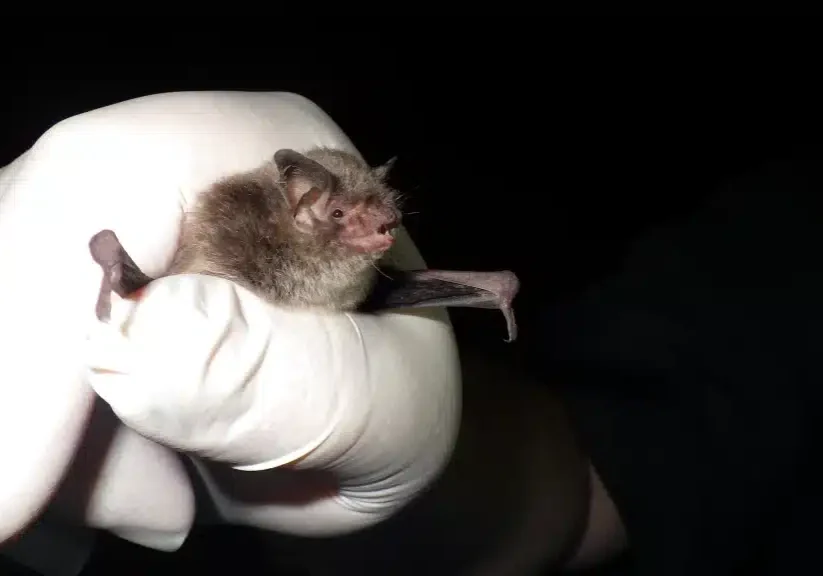
In the Nantahala National Forest, a team of biologists spotted Indiana bats, an endangered species that hasn’t been seen in North Carolina for the last 11 years.
‘First Line of Defense’
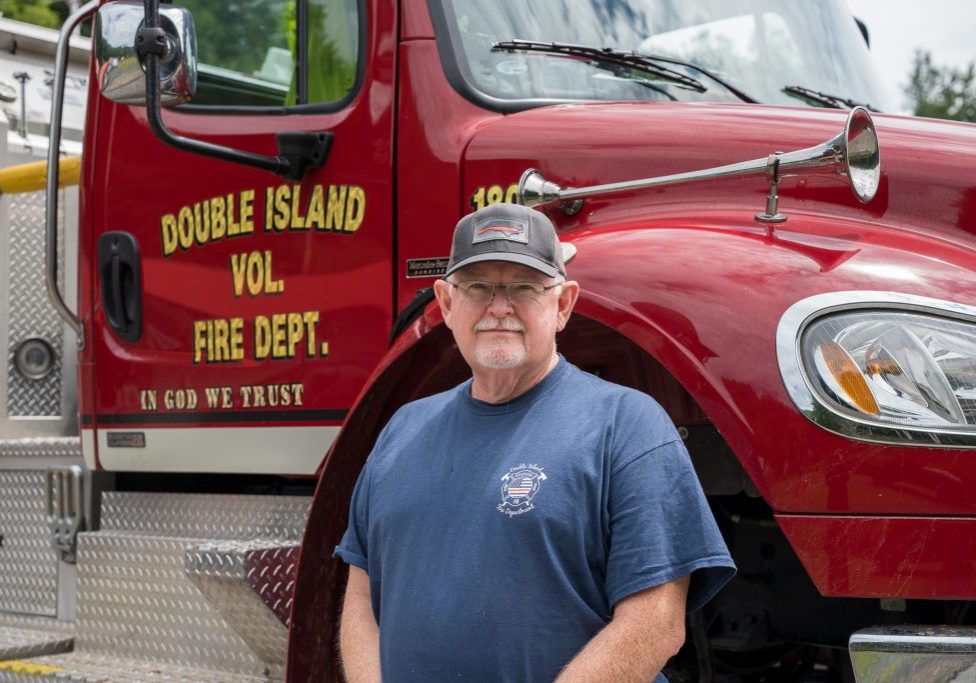
During Hurricane Helene and its aftermath, rural fire departments and other first responder hubs played critical roles in keeping their communities safe, even without power and cut off from outside support for days or weeks after the storm. Two years later, plenty of work remains to ensure these hubs have the resources they need to operate day to day and be ready when emergencies or natural disasters strike.
The Rocky Road — and Bridge — to Recovery
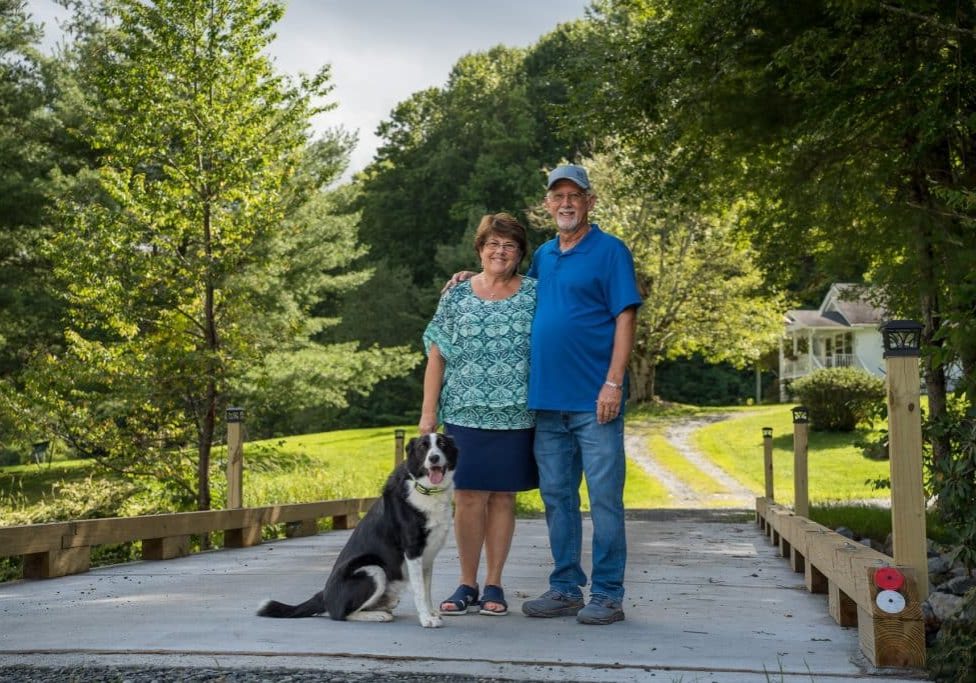
Hurricane Helene is estimated to have damaged nearly 7,000 private roads and bridges in Western North Carolina. Two years later, many restoration projects are complete, but the journey hasn’t been easy — and isn’t over for others.
After 20 Years, Letcher County Prison Proposal Is Still Alive, Though Obstacles Remain
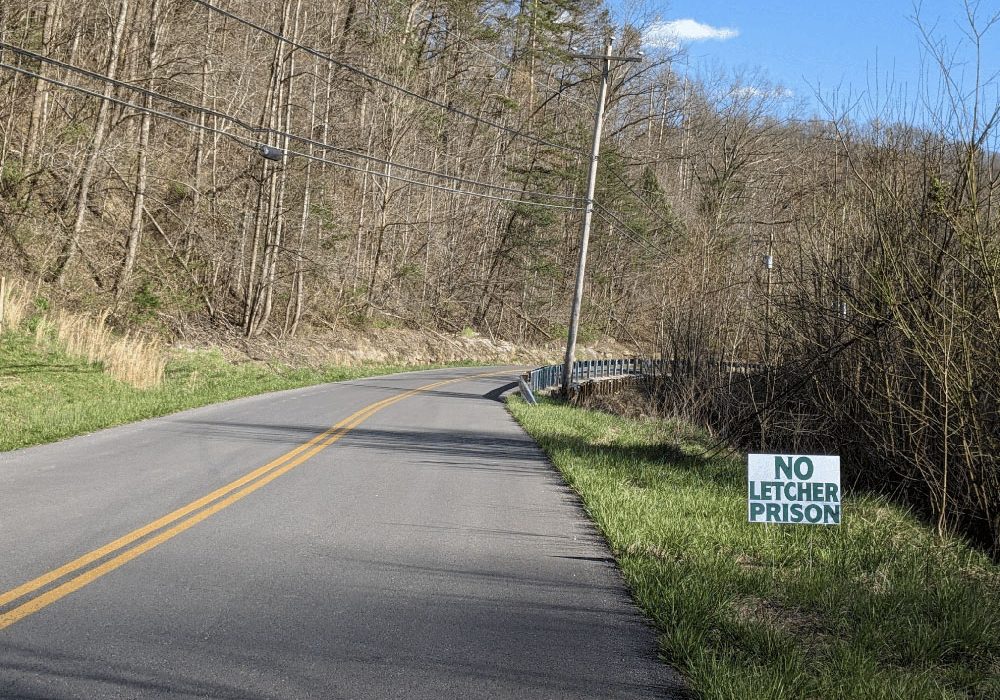
A $605 million proposal for a federal prison on a former strip mine site in Letcher County, Kentucky, championed by U.S. Rep. Hal Rogers, refuses to die, despite local opposition, a lack of support from the executive branch and numerous other obstacles.
The Washout and Rebuild
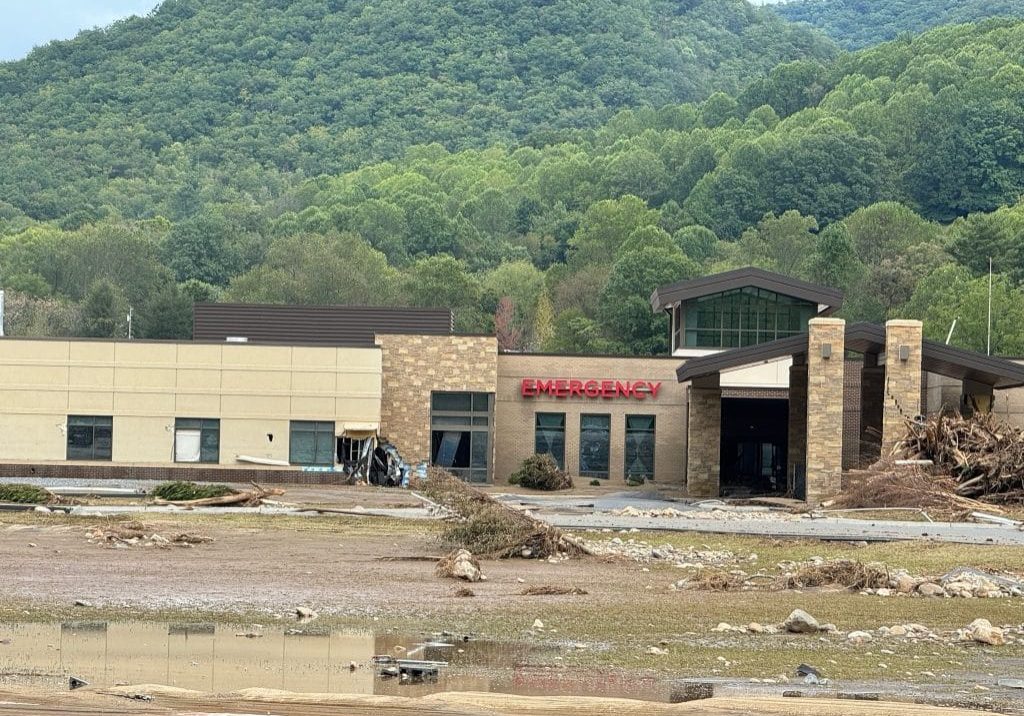
For nearly two years, residents of Unicoi County, Tennessee, have had to make do without a hospital after Hurricane Helene destroyed the rural hospital. Ballad Health, which owns the hospital, broke ground on a new location — in another floodplain — in August 2026.

The Shenandoah Salamander
The Shenandoah salamander is a woodland salamander, which has adapted to life at higher elevations away from water. This sparkling rarity lives among the dry leaves, cracked logs, and stony hillocks on the highest peaks of Shenandoah National Park.

Leave a comment
Your email address will not be published. Required fields are marked *
Leave a Comment