

Letters from Readers
Dear Appalachian Voice,
I recently read the Washington Post article about the Bush administration and mountaintop removal (“Appalachia is Paying Price for White House Rule Change”). The article states that coal “industry executives argued that increased coal production could even help win the war against terrorism.” This line of reasoning is fallacious.
When anyone throws out the line about “the war on terrorism,” they typically refer to the Middle East and oil. However, oil (either imported or domestic) is not a substitute for coal. As you know, coal is burned to generate electricity. In fact, 52% of U.S. electricity generation comes from coal. Oil, on the other hand, is used for just a tiny share, 3%, of U.S. electricity generation. This share continues to decrease as oil powered plants switch to natural gas. Furthermore, when power generators deliberate on which type of new power plant to build, the usual question is “should it be natural gas or coal?” No one builds new oil power plants in the US. The vast majority of new power plants built in the US over the past decade run on natural gas supplied either domestically or by either Canada or Mexico . . . hardly targets in the “war on terrorism.” Therefore, increasing the use of coal for power generation does little, if anything, for decreasing U.S. imports of oil.
Likewise, coal is not a substitute for imported oil, as 2/3 of the oil consumed in the US is used for transportation and coal is not an option when it comes to conventional transportation. It can’t be used to run cars, planes, etc. Only 2% of the oil consumed in the US is for power plants. Again, increasing the use of coal does nothing to decrease U.S. imports of oil.
I hope that your organization and others continue to stand up to the myths being espoused by the coal industry.
Craig Hanson
Braddock Heights, MD
Dear Appalachian Voice,
In reference to your article on the Synchronous Fireflies of Elkmont (Summer 2004), there is at least one more group of synchronous fireflies. I encountered them when Spirit was good enough to me to get my Subaru caught in the drainage ditch of a Forest Service road at Rattlesnake Gap in the Cherokee National Forest on June 16, about 9:30PM. After trying unsuccessfully to get out, I settled in to wait for people heading into the Katuah Rainbow Summer Solstice gathering, which I had just left.
What I saw was a fairly dense population on the right side of the road that would pulse quite vigorously for about 10 seconds, then full darkness for about 5-6 seconds, and the cycle would repeat. What a Blessing!
David Jockusch
Black Mountain, NC
Related Articles
Latest News
More Stories
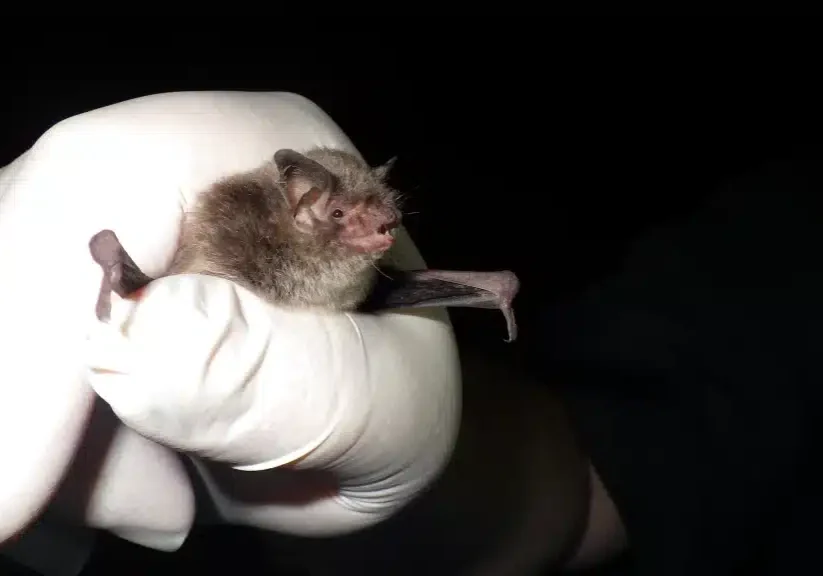
Signs of Life
In the Nantahala National Forest, a team of biologists spotted Indiana bats, an endangered species that hasn’t been seen in North Carolina for the last 11 years.

‘First Line of Defense’
During Hurricane Helene and its aftermath, rural fire departments and other first responder hubs played critical roles in keeping their communities safe, even without power and cut off from outside support for days or weeks after the storm. Two years later, plenty of work remains to ensure these hubs have the resources they need to operate day to day and be ready when emergencies or natural disasters strike.

The Rocky Road — and Bridge — to Recovery
Hurricane Helene is estimated to have damaged nearly 7,000 private roads and bridges in Western North Carolina. Two years later, many restoration projects are complete, but the journey hasn’t been easy — and isn’t over for others.
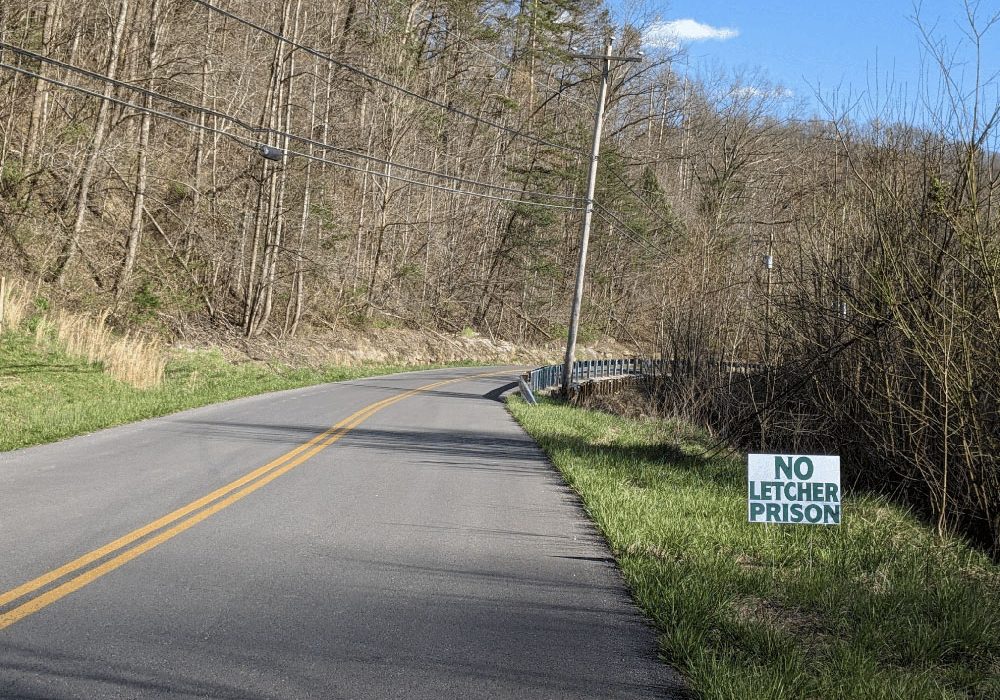
After 20 Years, Letcher County Prison Proposal Is Still Alive, Though Obstacles Remain
A $605 million proposal for a federal prison on a former strip mine site in Letcher County, Kentucky, championed by U.S. Rep. Hal Rogers, refuses to die, despite local opposition, a lack of support from the executive branch and numerous other obstacles.
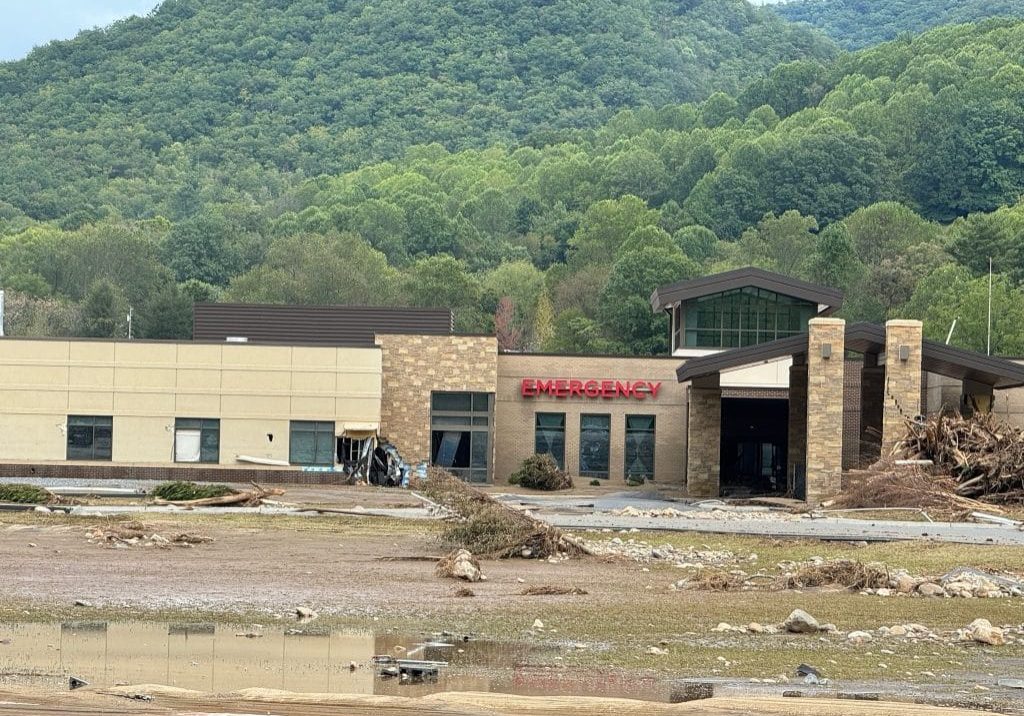
The Washout and Rebuild
For nearly two years, residents of Unicoi County, Tennessee, have had to make do without a hospital after Hurricane Helene destroyed the rural hospital. Ballad Health, which owns the hospital, broke ground on a new location — in another floodplain — in August 2026.
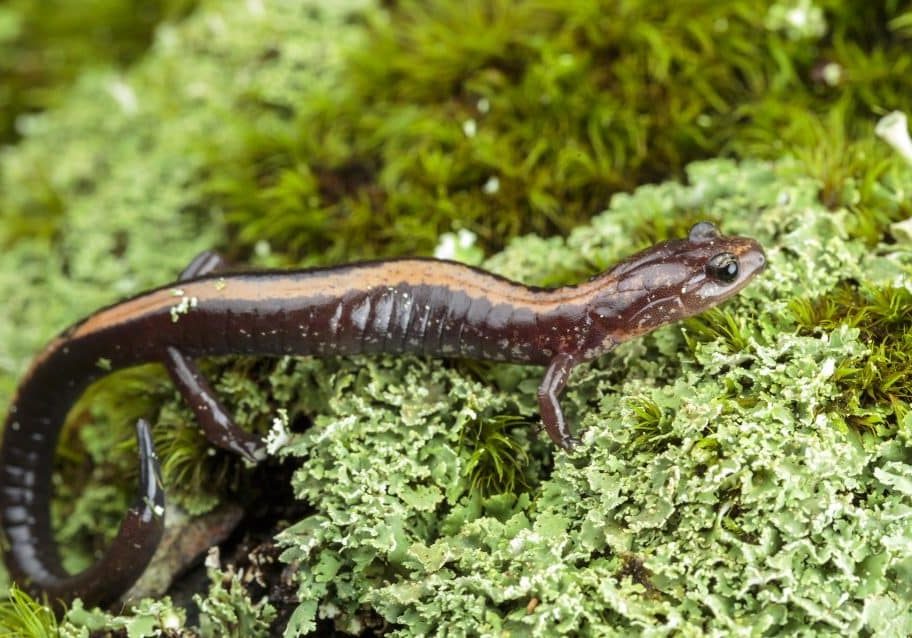
The Shenandoah Salamander
The Shenandoah salamander is a woodland salamander, which has adapted to life at higher elevations away from water. This sparkling rarity lives among the dry leaves, cracked logs, and stony hillocks on the highest peaks of Shenandoah National Park.

Leave a comment
Your email address will not be published. Required fields are marked *
Leave a Comment