

“Just say NO!” to Toxic Mercury
The following comments by high school student and Appalachian Voices volunteer Sarah Heath Olesiuk were so poignant that we decided to share them with our readers. The comments were delivered at a recent EPA hearing in North Carolina on the Bush Administration’s proposed roll-backs of mercury regulations.
“As a teenager, I am constantly bombarded by anti-drug propaganda: at school, on the computer, and especially on television. Every time I flip on the TV, I see yet another government anti-drug commercial. One of my favorites ran a couple of years ago and showed eggs frying and then compared this to “your brain on drugs”. Many of these commercials encourage kids to use Nancy Reagan’s famous statement when offered drugs: “Just say NO!” Now when I see these commercials I am perplexed about the government’s stance on brain damage.
To me, it seems that the government says its not OK to voluntarily cause your own brain damage by doing drugs (and mind you, I’m not disagreeing with this) but it is fine for major industrial polluters to weave their way around laws and release mercury into the water and air, causing neurological damage of thousands of children who have not, unlike drug users, voluntarily chosen to ingest these dangerous substances. Once again, the government, the laws, and the politicians seem to be contradicting themselves.
The effects of mercury on child development are devastating. Furthermore, they calculate that each year 630,000 children in the United States and 1,800 in North Carolina are born at risk due to unsafe maternal mercury blood levels. These affected children will experience the symptoms of irreversible brain damage: a decline in motor skills, learning capacity, and memory.
I am seventeen years old and I do not even know if I want to have children. At seventeen I am supposed to be worrying about which college I should go to, or how to find time to study for that European History test. It is ridiculous that I need to be preoccupied with the health of my future children while I’m still in high school! That’s not fair.
So in closing, I implore the EPA to “just say no” to brain damaging substances like mercury by adopting real controls that will achieve a 90 percent reduction of mercury by 2008. You may not care about the health of the general public but I’d like to think you at least care about your children’s health. Because, they, like everyone else’s children, deserve to breathe clean air and grow up in a healthy environment.
Related Articles
Latest News
More Stories
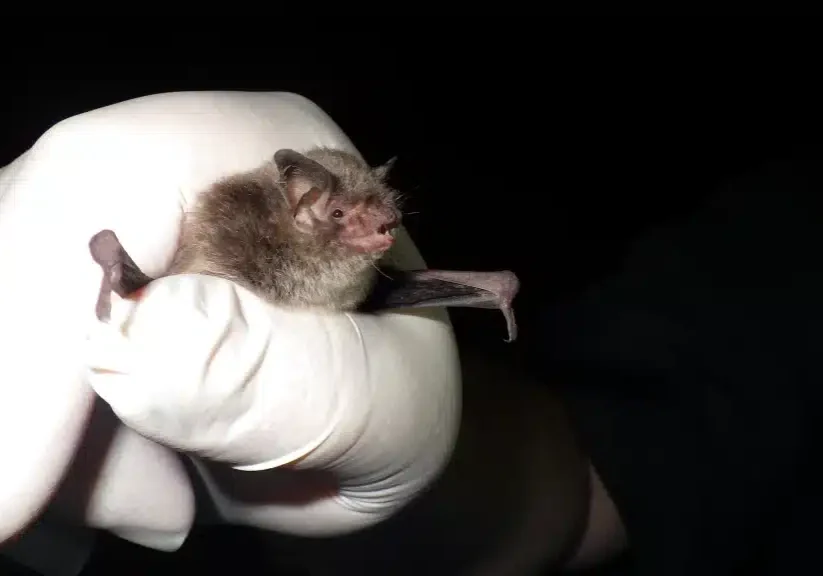
Signs of Life
In the Nantahala National Forest, a team of biologists spotted Indiana bats, an endangered species that hasn’t been seen in North Carolina for the last 11 years.
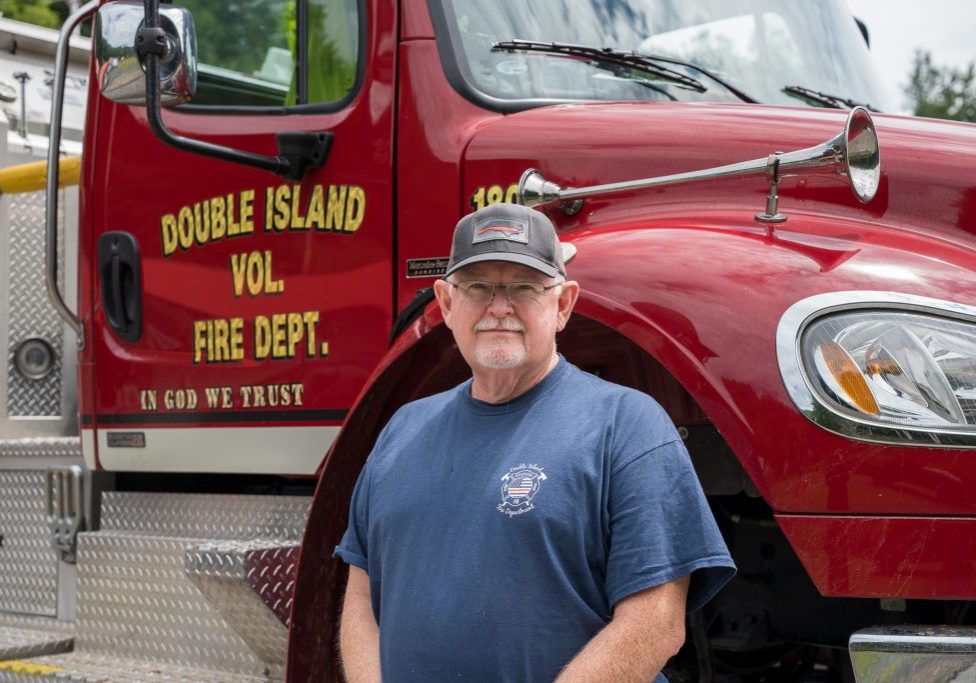
‘First Line of Defense’
During Hurricane Helene and its aftermath, rural fire departments and other first responder hubs played critical roles in keeping their communities safe, even without power and cut off from outside support for days or weeks after the storm. Two years later, plenty of work remains to ensure these hubs have the resources they need to operate day to day and be ready when emergencies or natural disasters strike.
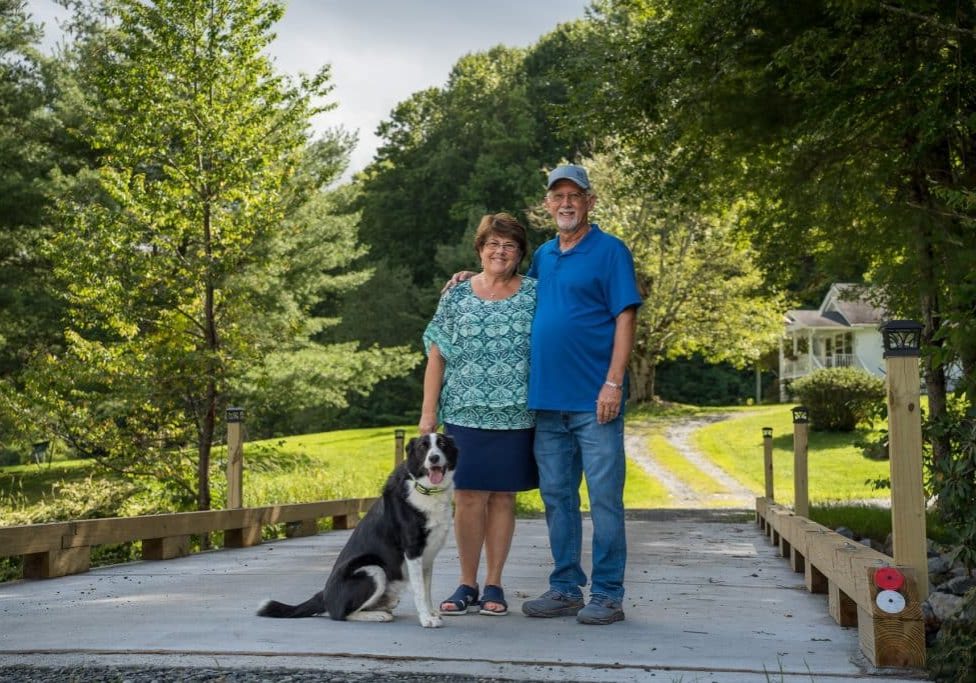
The Rocky Road — and Bridge — to Recovery
Hurricane Helene is estimated to have damaged nearly 7,000 private roads and bridges in Western North Carolina. Two years later, many restoration projects are complete, but the journey hasn’t been easy — and isn’t over for others.
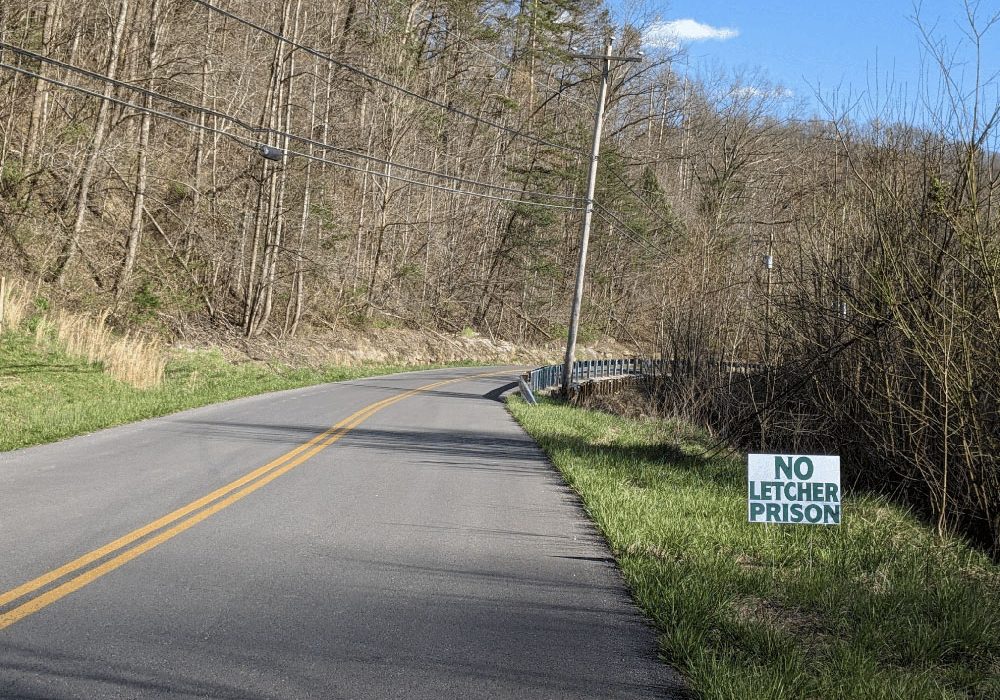
After 20 Years, Letcher County Prison Proposal Is Still Alive, Though Obstacles Remain
A $605 million proposal for a federal prison on a former strip mine site in Letcher County, Kentucky, championed by U.S. Rep. Hal Rogers, refuses to die, despite local opposition, a lack of support from the executive branch and numerous other obstacles.
The Washout and Rebuild
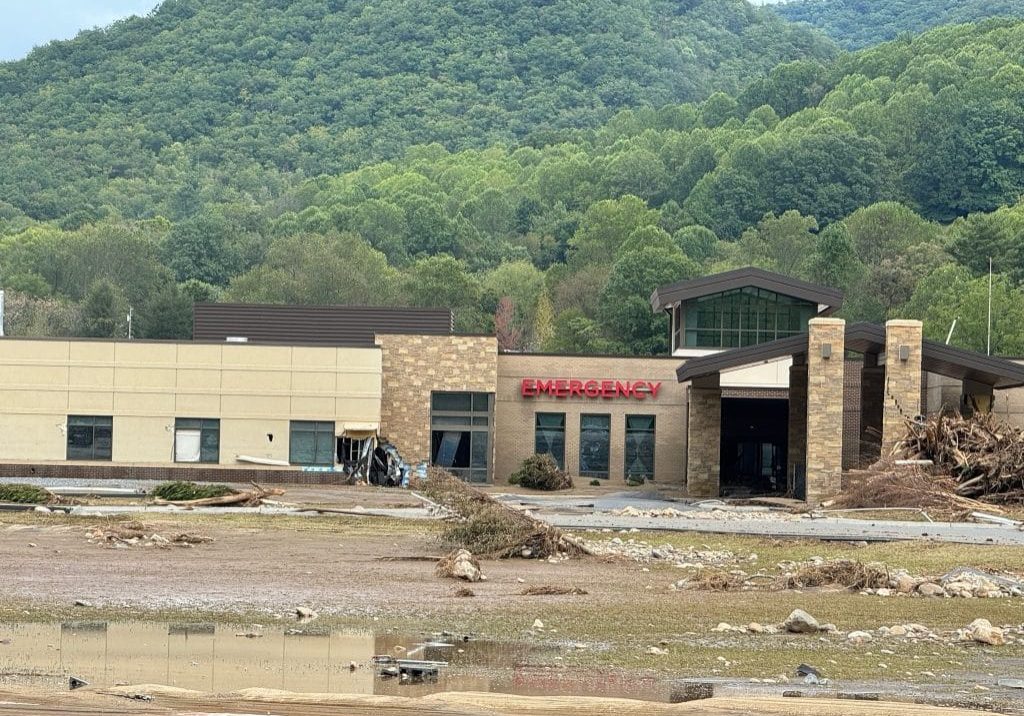
For nearly two years, residents of Unicoi County, Tennessee, have had to make do without a hospital after Hurricane Helene destroyed the rural hospital. Ballad Health, which owns the hospital, broke ground on a new location — in another floodplain — in August 2026.
The Shenandoah Salamander
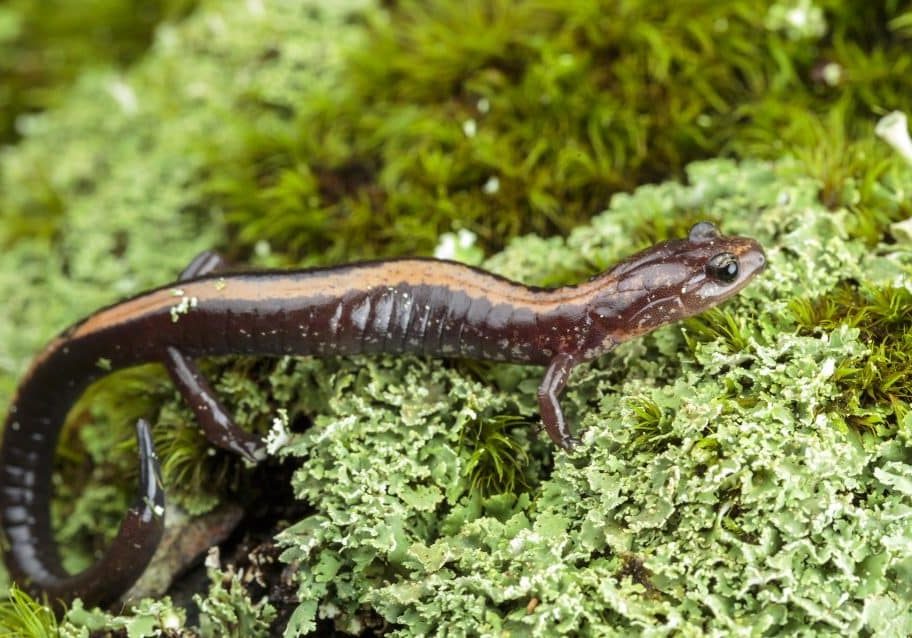
The Shenandoah salamander is a woodland salamander, which has adapted to life at higher elevations away from water. This sparkling rarity lives among the dry leaves, cracked logs, and stony hillocks on the highest peaks of Shenandoah National Park.

Leave a comment
Your email address will not be published. Required fields are marked *
Leave a Comment