

Virginia Introduces Clean Smokestacks Legislation
The 2002 passage of the North Carolina Clean Smokestacks Act has had ripple effects across the South, and one of the latest is the introduction of a Clean Smokestacks bill in the Virginia state legislature. The legislation was modeled after North Carolina’s landmark air pollution law.
Richmond Republican Delegate John S. Reid introduced the Virginia bill during this year’s legislative session. Reid told the Virginian-Pilot newspaper that he was prompted to introduce the bill after his wife was diagnosed with a lung disease that is made worse by smog. Power plant pollution has been estimated to cause 1,240 deaths, 28,000 asthma attacks, and 246,000 lost workdays every year in Virginia.
As this bill moves forward, supporters have been looking closely to North Carolina and the process that resulted in the passage of that state’s Clean Smokestacks Act. The Virginia version of the bill would affect eight of the state’s dirtiest power plants, reducing emissions of sulfur dioxide by 75 percent and nitrogen oxide by 54 percent by 2015. Mercury would be cut by 67 percent by 2008.
While the Virginia bill was not passed during this session, proponents plan to reintroduce it in the 2005 legislature. In the meantime, Virginia is coming under increasing pressure to reduce its air pollution. On March 18, North Carolina’s attorney general petitioned the EPA to crack down on air pollution coming from Virginia and a dozen other nearby states. This petition has the weight of the Clean Air Act behind it, and it makes North Carolina the first state in the South to join the legal battles for clean air.
Related Articles
Latest News
More Stories

Signs of Life
In the Nantahala National Forest, a team of biologists spotted Indiana bats, an endangered species that hasn’t been seen in North Carolina for the last 11 years.

‘First Line of Defense’
During Hurricane Helene and its aftermath, rural fire departments and other first responder hubs played critical roles in keeping their communities safe, even without power and cut off from outside support for days or weeks after the storm. Two years later, plenty of work remains to ensure these hubs have the resources they need to operate day to day and be ready when emergencies or natural disasters strike.

The Rocky Road — and Bridge — to Recovery
Hurricane Helene is estimated to have damaged nearly 7,000 private roads and bridges in Western North Carolina. Two years later, many restoration projects are complete, but the journey hasn’t been easy — and isn’t over for others.
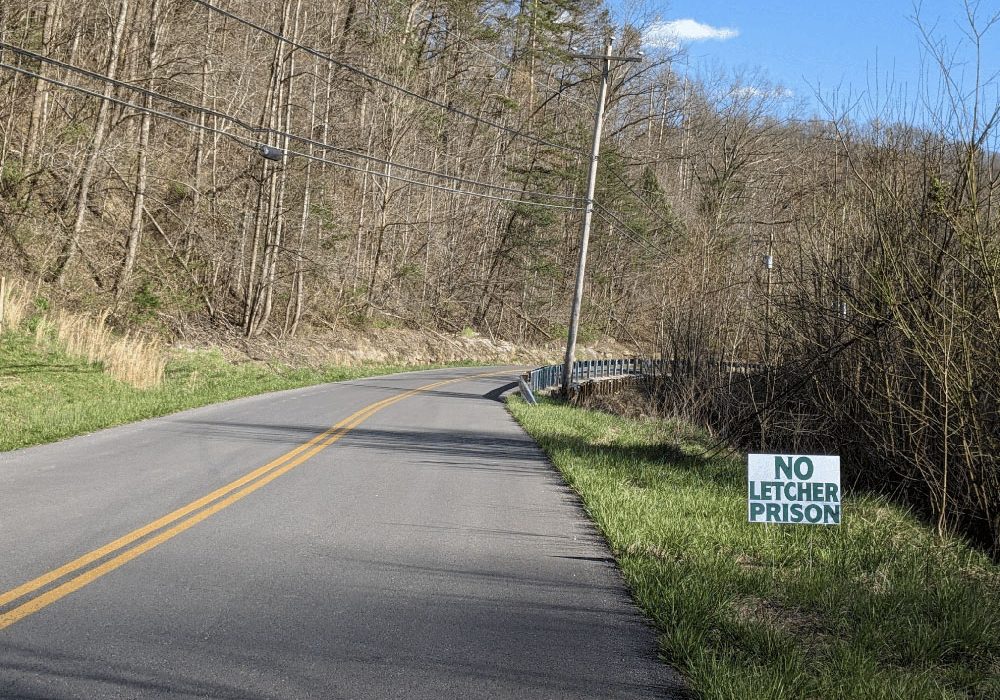
After 20 Years, Letcher County Prison Proposal Is Still Alive, Though Obstacles Remain
A $605 million proposal for a federal prison on a former strip mine site in Letcher County, Kentucky, championed by U.S. Rep. Hal Rogers, refuses to die, despite local opposition, a lack of support from the executive branch and numerous other obstacles.
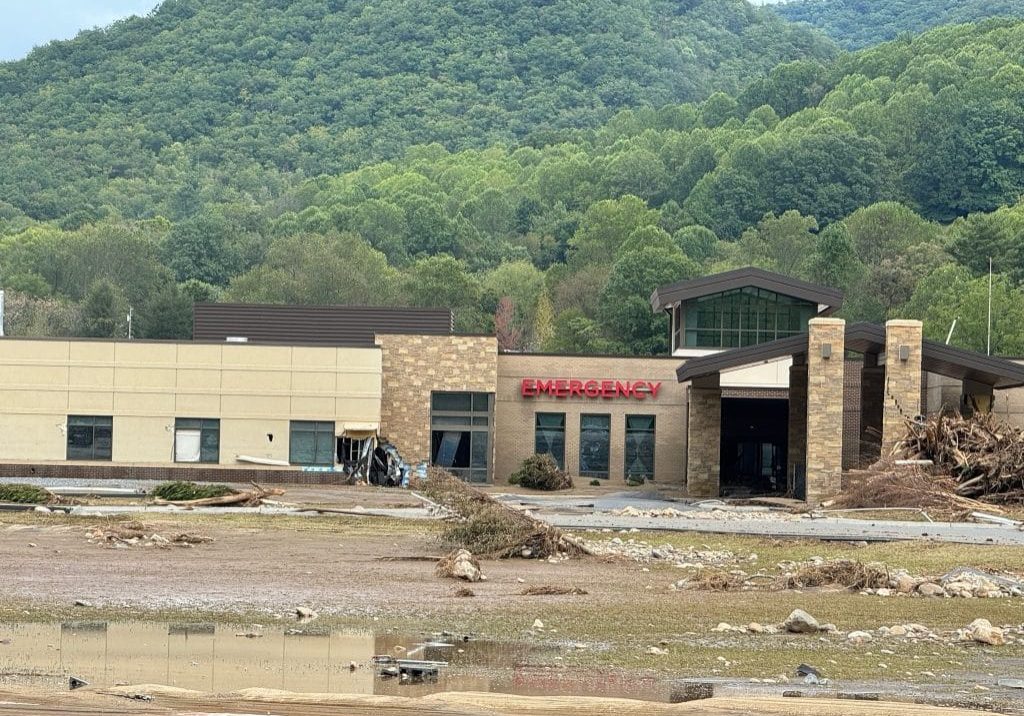
The Washout and Rebuild
For nearly two years, residents of Unicoi County, Tennessee, have had to make do without a hospital after Hurricane Helene destroyed the rural hospital. Ballad Health, which owns the hospital, broke ground on a new location — in another floodplain — in August 2026.

The Shenandoah Salamander
The Shenandoah salamander is a woodland salamander, which has adapted to life at higher elevations away from water. This sparkling rarity lives among the dry leaves, cracked logs, and stony hillocks on the highest peaks of Shenandoah National Park.

Leave a comment
Your email address will not be published. Required fields are marked *
Leave a Comment