

The Real “Chicken Littles”
During the negotiations leading up to the Clean Air Act of 1970, Ford Motor Company issued a warning that the act “could prevent continued production of automobiles,” and “is a threat to the entire American economy and to every person in America.” Similarly, shortly before the Clean Air Act was strengthened in 1990, the National Manufacturers’ Association (NMA) stated that the stronger standards would “put millions of workers at risk, put thousands of small companies out of business [and] further weaken our economy.” Estimates were cited in the Los Angeles Times of impending job losses in excess of 4 million jobs as a direct result of the stronger air standards.
While it takes nothing more than common sense to see through Ford’s claims about the end of automobile production, there are now excellent data to evaluate the claims and projections of the NMA and those cited in the Los Angeles Times. Here’s how they stack up: the job losses never happened; the nation saw some of the most robust economic growth in history the decade after the law was passed; and the NMA’s projections of compliance costs were wildly overstated by as much as four to ten times the actual costs.
When North Carolina was considering passing its own Clean Smokestacks Act (CSA) in 2002, there were similar murmurings about massive economic costs and job losses. Now, two years after the CSA’s passage, the results are coming in and they couldn’t look better for the health, economy, and workforce of the state (see story on page 4). Both Duke Power and Progress Energy have started building giant scrubbers at their plants and in the process are creating hundreds of jobs, with thousands more to be created in the coming decade. Furthermore, by-products of the clean-up process are creating a steady supply of gypsum to local wall-board manufacturers and thus creating even more jobs. In fact the only jobs in danger of being lost because of the CSA are in the health care industry, as fewer of North Carolina’s children develop asthma, fewer infants are born with mercury-induced brain damage, and fewer elderly develop lung disease.
This year, the state of Virginia began consideration of its own clean smokestacks bill to control power plant pollution. In addition, North Carolina’s Attorney General is prodding the Environmental Protection Agency to force 13 other states to abide by clean air laws. As Virginia and other states consider their own laws to reduce pollution, there will undoubtedly be dire warnings of impending job losses and economic disaster. When they hear those predictions, we hope that the citizens of Virginia and other states will consider North Carolina’s experience and will also consider the following:
• History has shown that environmental problems are almost always understated at first, and time and again, standards for everything from mercury to arsenic have been strengthened as the science linking them to health problems gets better.
• History has also shown that polluting industries’ predictions of job losses and economic disaster as a result of stronger health and environmental standards are almost always wildly over-stated.
• The economic value of common sense regulations far outweighs the cost to polluters. The Bush Administration’s Office of Management and Budget recently estimated that the costs of health and environmental standards implemented in the 90s, with a price tag of between $36 and $42 billion, were far lower that the tremendous economic benefits to society, which were valued at between $146 and $230 billion and include lower health care costs and increased worker productivity.
It has become cliché for polluting industry apologists to accuse clean water and clean air advocates of acting like “Chicken Littles” with unjustified cries that, “the sky is falling!” Given access to the facts, however, a discerning public will surely recognize who the true “Chicken Littles” are.
Related Articles
Latest News
More Stories

Signs of Life
In the Nantahala National Forest, a team of biologists spotted Indiana bats, an endangered species that hasn’t been seen in North Carolina for the last 11 years.

‘First Line of Defense’
During Hurricane Helene and its aftermath, rural fire departments and other first responder hubs played critical roles in keeping their communities safe, even without power and cut off from outside support for days or weeks after the storm. Two years later, plenty of work remains to ensure these hubs have the resources they need to operate day to day and be ready when emergencies or natural disasters strike.

The Rocky Road — and Bridge — to Recovery
Hurricane Helene is estimated to have damaged nearly 7,000 private roads and bridges in Western North Carolina. Two years later, many restoration projects are complete, but the journey hasn’t been easy — and isn’t over for others.
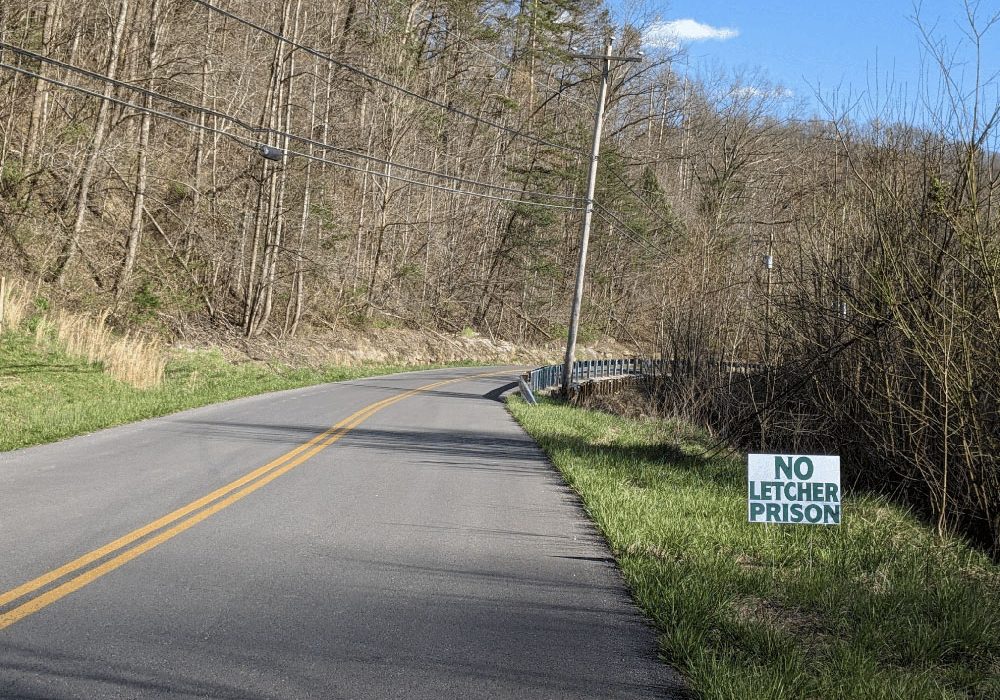
After 20 Years, Letcher County Prison Proposal Is Still Alive, Though Obstacles Remain
A $605 million proposal for a federal prison on a former strip mine site in Letcher County, Kentucky, championed by U.S. Rep. Hal Rogers, refuses to die, despite local opposition, a lack of support from the executive branch and numerous other obstacles.
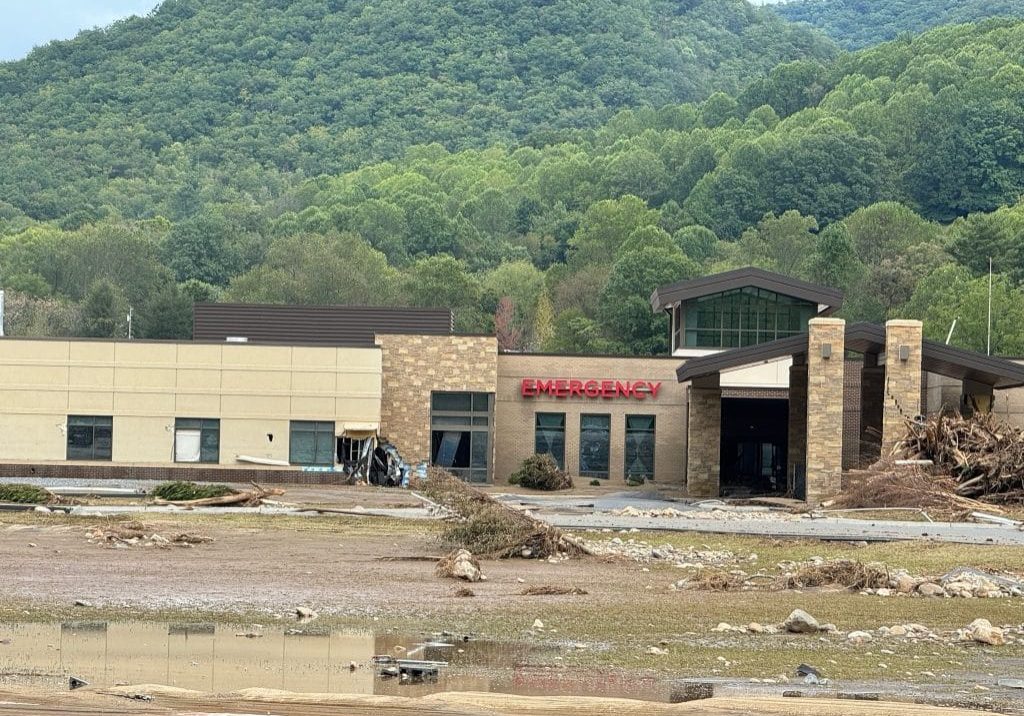
The Washout and Rebuild
For nearly two years, residents of Unicoi County, Tennessee, have had to make do without a hospital after Hurricane Helene destroyed the rural hospital. Ballad Health, which owns the hospital, broke ground on a new location — in another floodplain — in August 2026.

The Shenandoah Salamander
The Shenandoah salamander is a woodland salamander, which has adapted to life at higher elevations away from water. This sparkling rarity lives among the dry leaves, cracked logs, and stony hillocks on the highest peaks of Shenandoah National Park.

Leave a comment
Your email address will not be published. Required fields are marked *
Leave a Comment