

Decision Due this Spring on Blue Ridge Mill Permit
CANTON, NC—Responding to requests from concerned citizens, public health advocates and environmental groups, including Appalachian Voices, North Carolina’s Division of Air Quality (DAQ), held a hearing on January 8 regarding Blue Ridge Paper Products’ pending Title V air pollution permit for their mill in Canton.
According to DAQ, this employee-owned facility has been operating under separate permits for each piece of equipment, making regulation and enforcement extremely difficult. The federal Title V program was meant to benefit polluters, regulators and the public by incorporating each of these requirements into a single permit.
Despite the fact that plant officials used the hearing as an opportunity to showcase their $14 million dollar plan to reduce ozone-causing emissions from its coal-fired boilers by 40 percent, environmentalists, who once supported the employee buyout based on promises of a new era in environmental stewardship, are skeptical.
“These reductions are mandatory not, as Blue Ridge implies, voluntary,” said Dr. Harvard Ayers, Appalachian Voices’ Chairman. “Blue Ridge is making minimal efforts to address one pollutant, while the people and environment of Appalachia suffer. There is a lot more that Blue Ridge could do to fulfill its promise to be a better environmental steward.”
“Not so!” said a few others, like Steve Henson, director of the Southern Appalachian Multiple-Use Council. Henson expressed fear that any DAQ proposal for more than minimum air pollution standards would threaten the facility’s continued existence.
“That’s ridiculous. Henson’s fears are unfounded since DAQ has issued roughly 400 permits and has never proposed to close a facility or put people out of work,” said Scott Gollwitzer, Staff Attorney for Appalachian Voices. “Few, if any, people in this room want to put anyone out of work. All we want are the toughest practical standards that protect the health, the environment and the jobs of Southern Appalachia.”
DAQ and the Environmental Protection Agency are expected to act on the permit this spring.
Related Articles
Latest News
More Stories
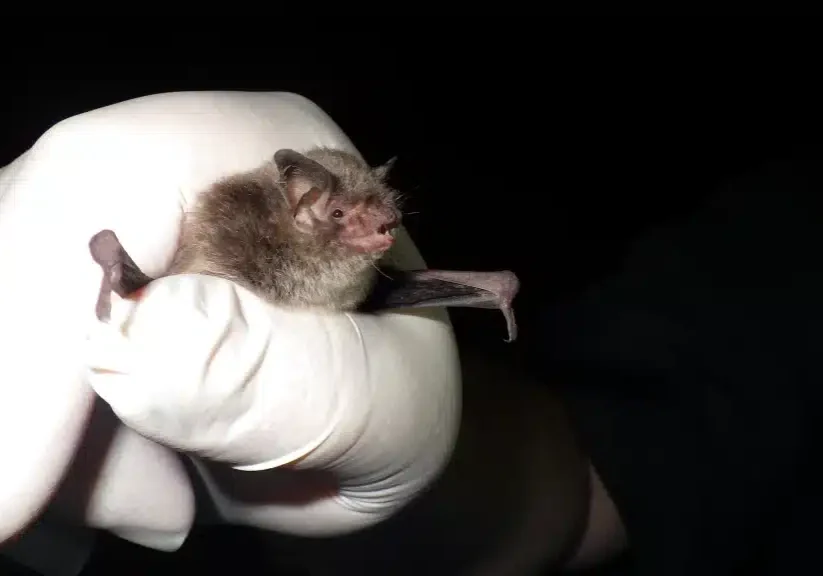
Signs of Life
In the Nantahala National Forest, a team of biologists spotted Indiana bats, an endangered species that hasn’t been seen in North Carolina for the last 11 years.

‘First Line of Defense’
During Hurricane Helene and its aftermath, rural fire departments and other first responder hubs played critical roles in keeping their communities safe, even without power and cut off from outside support for days or weeks after the storm. Two years later, plenty of work remains to ensure these hubs have the resources they need to operate day to day and be ready when emergencies or natural disasters strike.

The Rocky Road — and Bridge — to Recovery
Hurricane Helene is estimated to have damaged nearly 7,000 private roads and bridges in Western North Carolina. Two years later, many restoration projects are complete, but the journey hasn’t been easy — and isn’t over for others.
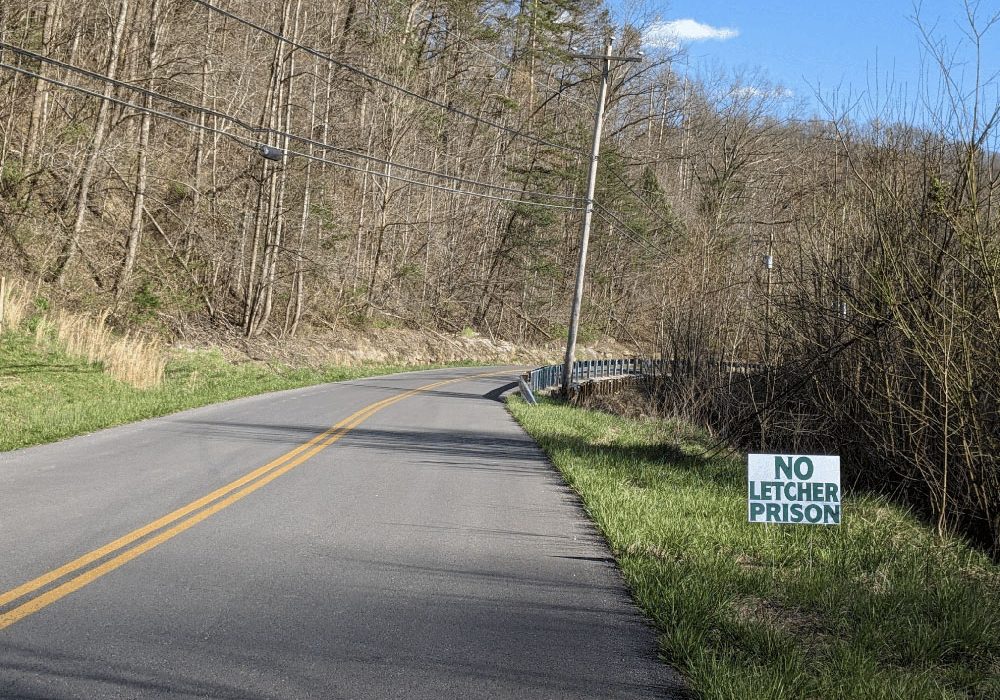
After 20 Years, Letcher County Prison Proposal Is Still Alive, Though Obstacles Remain
A $605 million proposal for a federal prison on a former strip mine site in Letcher County, Kentucky, championed by U.S. Rep. Hal Rogers, refuses to die, despite local opposition, a lack of support from the executive branch and numerous other obstacles.
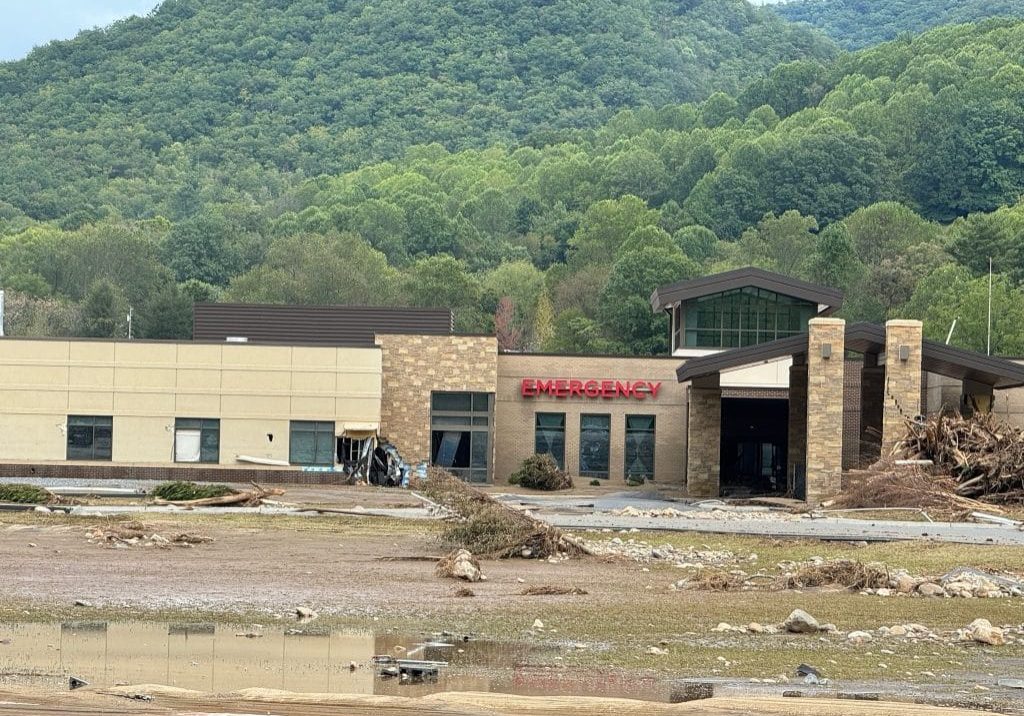
The Washout and Rebuild
For nearly two years, residents of Unicoi County, Tennessee, have had to make do without a hospital after Hurricane Helene destroyed the rural hospital. Ballad Health, which owns the hospital, broke ground on a new location — in another floodplain — in August 2026.

The Shenandoah Salamander
The Shenandoah salamander is a woodland salamander, which has adapted to life at higher elevations away from water. This sparkling rarity lives among the dry leaves, cracked logs, and stony hillocks on the highest peaks of Shenandoah National Park.

Leave a comment
Your email address will not be published. Required fields are marked *
Leave a Comment