

Appalachian Residents Want Forests Protected
People who live in the Southern Appalachians want their national forests protected, show recent surveys by the Southern Research Station (SRS) of the U.S. Forest Service (USFS).
The surveys by the SRS Recreation, Wilderness and Demographic Trends Unit in Athens, Georgia, found that area residents want the forests managed to protect clean sources of water, preserve natural landscapes for future generations to enjoy, and provide wildlife habitat.
The management plans for the national forests of the Southern Appalachian region are being revised to comply with the National Forest Management Act. The SRS surveys were designed to address the requirement for public involvement in these revisions, and were sponsored and conducted by the USFS, the Southern Research Station and the University of Tennessee.
“Public involvement is not only required, it is the most essential component of successful national forest planning,” said Ken Cordell, project leader of the SRS social science unit. “These plans, so important for managing natural resources, are centered around the concerns and needs of the American public.”
More than 5,200 people in the region were interviewed for surveys covering 13 national forests. Questions were designed to elicit which values were most important to residents in planning the future management of national forests.
“We found that people in the region value the national forests in many different ways,” said Cordell. “People give top value to protecting sources of clean water, followed by retaining natural forests for future generations, providing protection for wildlife and habitat, providing places that are natural in appearance, and protecting rare and endangered species.”
Residents gave lower values to managing national forests as sources of raw materials, as grazing ranges for livestock, and for tourism.
“In the Southern Appalachians, people clearly put ecosystems and naturalness above utilitarian objectives in the management of their national forests,” said Cordell. “This is consistent with the natural resources agenda developed for the Forest Service over the past few years.”
Survey information was gathered in a special application of the SRS National Survey on Recreation and the Environment (NSRE). All data and electronic copies of the five reports from the survey are available at: http://www.srs.fs.fed.us/trends/sanfrpt.html.
Related Articles
Latest News
More Stories
Signs of Life
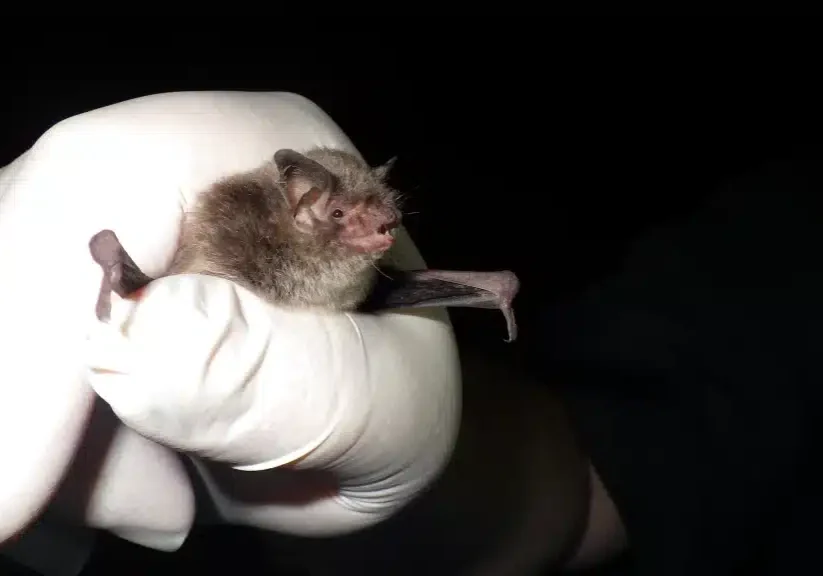
In the Nantahala National Forest, a team of biologists spotted Indiana bats, an endangered species that hasn’t been seen in North Carolina for the last 11 years.

‘First Line of Defense’
During Hurricane Helene and its aftermath, rural fire departments and other first responder hubs played critical roles in keeping their communities safe, even without power and cut off from outside support for days or weeks after the storm. Two years later, plenty of work remains to ensure these hubs have the resources they need to operate day to day and be ready when emergencies or natural disasters strike.

The Rocky Road — and Bridge — to Recovery
Hurricane Helene is estimated to have damaged nearly 7,000 private roads and bridges in Western North Carolina. Two years later, many restoration projects are complete, but the journey hasn’t been easy — and isn’t over for others.
After 20 Years, Letcher County Prison Proposal Is Still Alive, Though Obstacles Remain
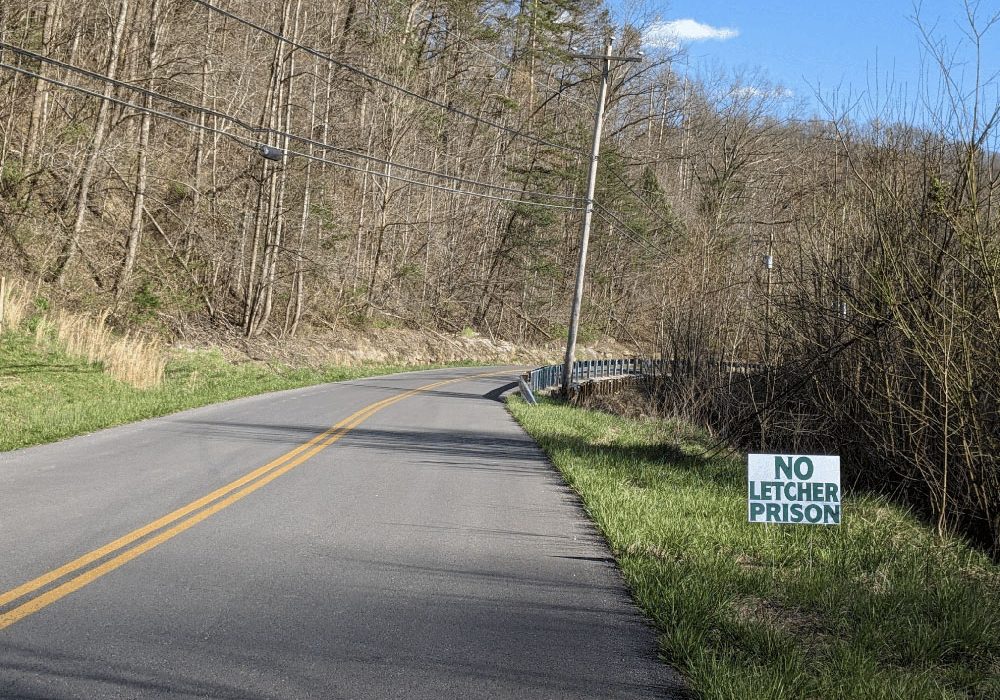
A $605 million proposal for a federal prison on a former strip mine site in Letcher County, Kentucky, championed by U.S. Rep. Hal Rogers, refuses to die, despite local opposition, a lack of support from the executive branch and numerous other obstacles.
The Washout and Rebuild
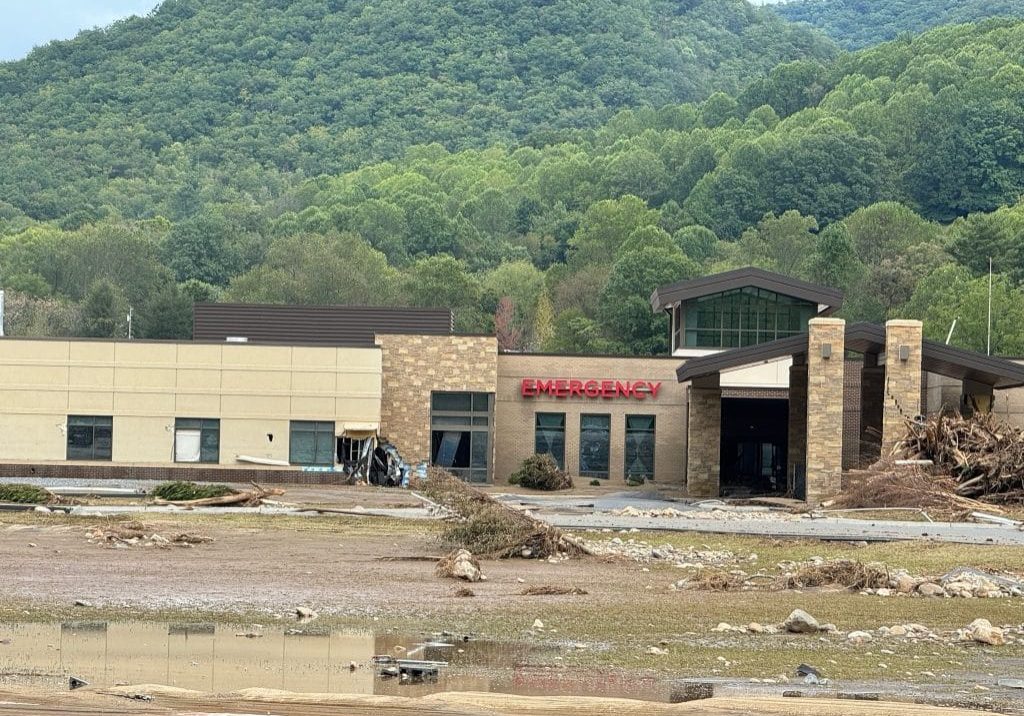
For nearly two years, residents of Unicoi County, Tennessee, have had to make do without a hospital after Hurricane Helene destroyed the rural hospital. Ballad Health, which owns the hospital, broke ground on a new location — in another floodplain — in August 2026.
The Shenandoah Salamander
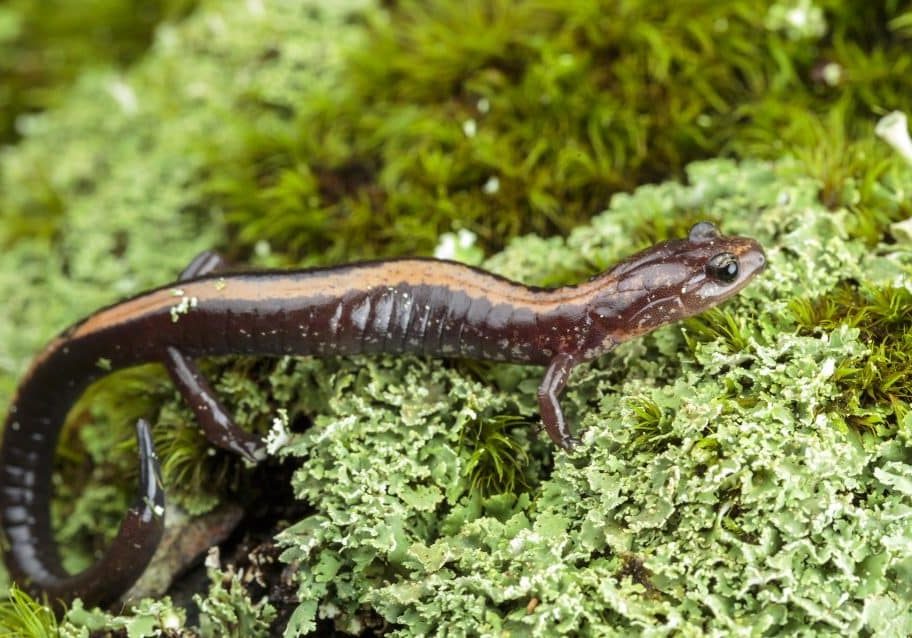
The Shenandoah salamander is a woodland salamander, which has adapted to life at higher elevations away from water. This sparkling rarity lives among the dry leaves, cracked logs, and stony hillocks on the highest peaks of Shenandoah National Park.

Leave a comment
Your email address will not be published. Required fields are marked *
Leave a Comment