

Citizens Urge Congressman Boucher To Hold Firm
The recommendations from the Stoney Creek Flooding Advisory Committee could be widely misinterpreted, said Clinch Coalition president Detta Davis in a recent letter to Congressman Boucher. The Stoney Creek Advisory Committee recently concluded and the committee issued a set of statements and recommendations for future management in the Stoney Creek watershed with regard to the flooding issue.
In the letter, Ms. Davis said, “Timber cutting was not just one of many contributors to the Stoney Creek flood. Second only to the rain itself, timber cutting was the major contributor to the multiple slides and heavy erosion that made the flood of June 30, 2001 such a killer. We presented abundant evidence that this is so. Most of that timber cutting was planned and supervised by the Forest Service”.
Evidence submitted in Boucher’s committee included an analysis by Dr. Robert L. Krystock that showed the risk of landslides was 81 times greater where previous logging occurred within the study area. Dr. Krystock’s study will be presented at the Regional Coalfield Water Resource Symposium at UVA’s College at Wise on September 4, 2002.
The committee also recommended that stakeholders assess the feasibility of a multiple-use National Recreation Area designation within the Clinch Ranger District. The Clinch Coalition wants an NRA that ends present timbering practices.
She also said that the Coalition is appalled, though not surprised, by the refusal of the Forest Service to take responsibility for their actions on Stoney Creek or to plan more modern, sustainable forestry to protect both the watershed and the public. “We will not relent in our determination to prevent further destructive timbering on High Knob mountain,” Davis said.
Davis concluded by appealing to Congressman Boucher for his help. “We urge you now to champion a High Knob National Recreation Area that might truly address the needs of the forest, the watershed, and the citizens you represent. We will do our best to protect our forest and our people. To succeed, we will need your clear and vigorous assistance.”
Related Articles
Latest News
More Stories
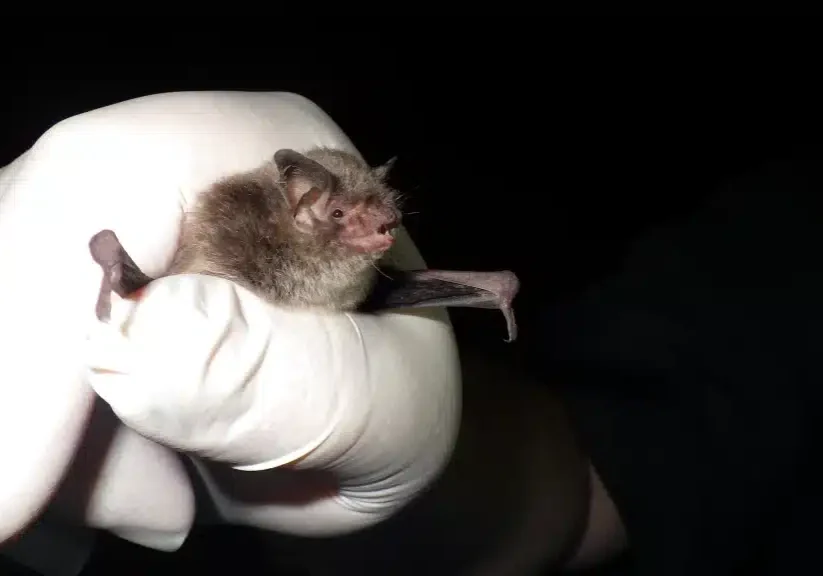
Signs of Life
In the Nantahala National Forest, a team of biologists spotted Indiana bats, an endangered species that hasn’t been seen in North Carolina for the last 11 years.

‘First Line of Defense’
During Hurricane Helene and its aftermath, rural fire departments and other first responder hubs played critical roles in keeping their communities safe, even without power and cut off from outside support for days or weeks after the storm. Two years later, plenty of work remains to ensure these hubs have the resources they need to operate day to day and be ready when emergencies or natural disasters strike.

The Rocky Road — and Bridge — to Recovery
Hurricane Helene is estimated to have damaged nearly 7,000 private roads and bridges in Western North Carolina. Two years later, many restoration projects are complete, but the journey hasn’t been easy — and isn’t over for others.
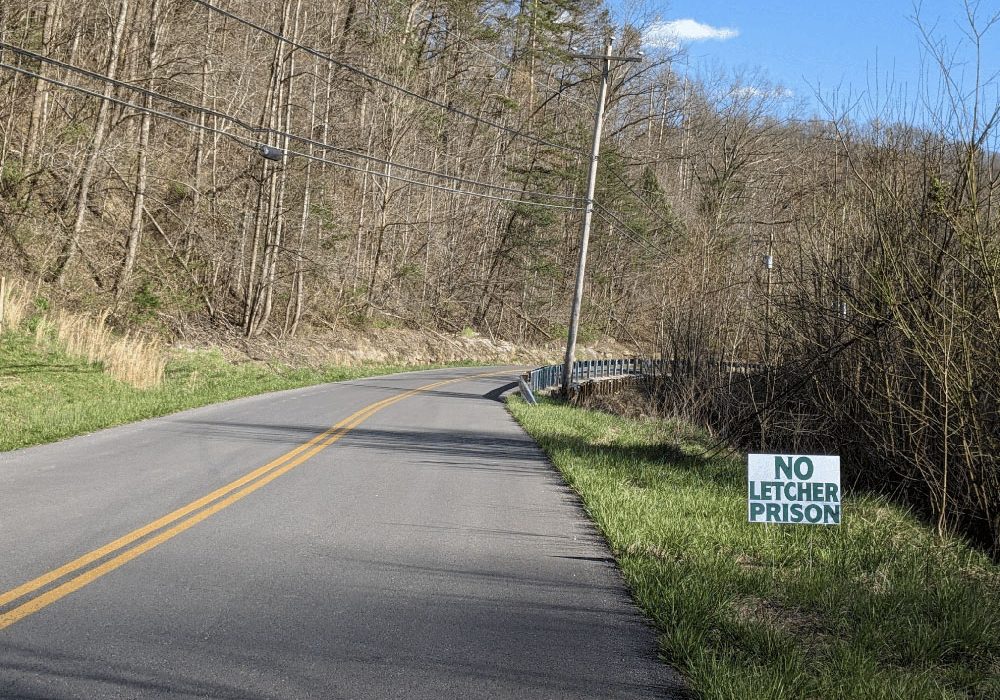
After 20 Years, Letcher County Prison Proposal Is Still Alive, Though Obstacles Remain
A $605 million proposal for a federal prison on a former strip mine site in Letcher County, Kentucky, championed by U.S. Rep. Hal Rogers, refuses to die, despite local opposition, a lack of support from the executive branch and numerous other obstacles.
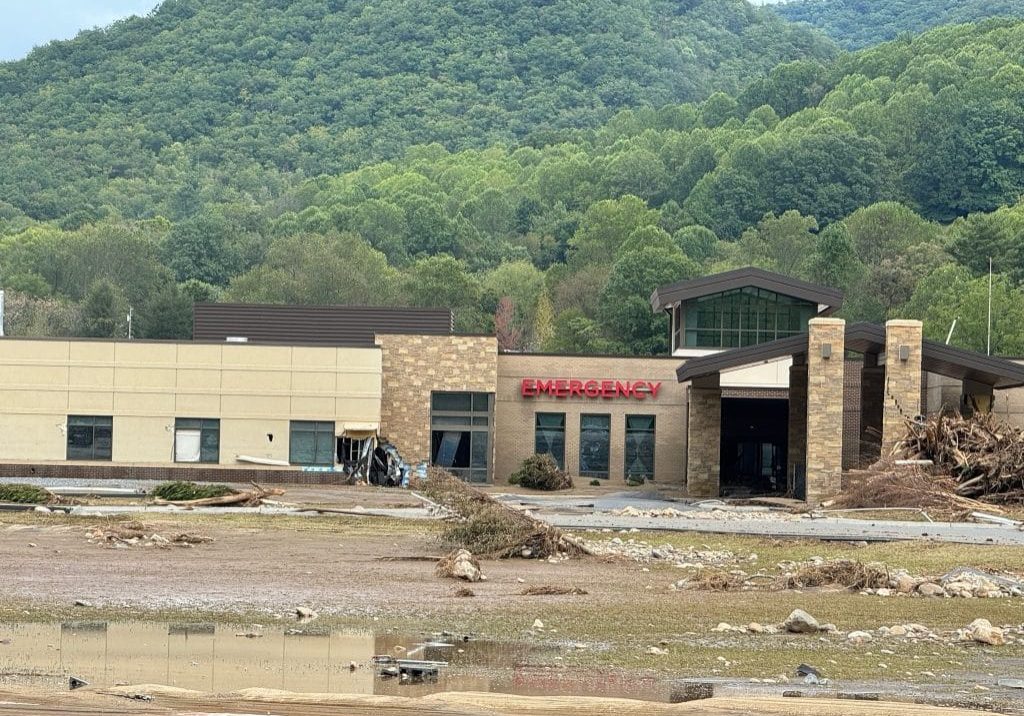
The Washout and Rebuild
For nearly two years, residents of Unicoi County, Tennessee, have had to make do without a hospital after Hurricane Helene destroyed the rural hospital. Ballad Health, which owns the hospital, broke ground on a new location — in another floodplain — in August 2026.

The Shenandoah Salamander
The Shenandoah salamander is a woodland salamander, which has adapted to life at higher elevations away from water. This sparkling rarity lives among the dry leaves, cracked logs, and stony hillocks on the highest peaks of Shenandoah National Park.

Leave a comment
Your email address will not be published. Required fields are marked *
Leave a Comment