

Big Timber Influenced USDA Southern Forest Study
As the official public comment period closed last week for the Southern Forest Resource Assessment, new information obtained under the Freedom of Information Act documents that timber industry representatives had inside influence as official peer reviewers of the study prior to its public release.
Several of these timber giants harvest trees in Virginia, including Westvaco, which operates one of the state’s largest chip mill near Covington, VA.
“When the study was released in November, the US Forest Service (USFS) effectively diverted attention away from numerous findings in the report that are damaging to big timber companies by singling out sprawl as the biggest problem,” says Danna Smith of the Dogwood Alliance. “Of course we agree that sprawl poses a threat to the South’s forests, but we now question whether the USFS made a calculated move to downplay the impacts of the timber industry itself.”
The timber industry is so pleased with the “findings” that it is now using the USFS study in a paid ad campaign pointing the finger at sprawl and promoting themselves as good forest stewards.
Two years ago, the USFS initiated a million dollar comprehensive study in response to growing public concern about the ecological and economic impacts of an expanding paper industry across the South. The proliferation of chip mills was one of the major concerns expressed by citizens, especially because young hardwoods — as well as softwoods — are being chipped to produce paper.
“The study clearly documents that softwoods are presently being cut faster than they are growing and that hardwoods are projected to follow a similar fate,” says Gerald Gray of Clintwood, who is an attorney for Virginia Forest Watch. “How anyone can say with a straight face that industry’s current harvesting rate is ‘sustainable’ is laughable.”
In addition to evidence of unsustainable harvest rates, the study also projects that single-species industrial tree plantations that are intensively managed with chemical fertilizers and herbicides will make up 1 in every 4 acres of Southern forests by the year 2040. The report concludes that “pine plantations generally provide poor wildlife habitat” and that the long-term ecological implications of such wide-scale industrial tree plantations are uncertain.
Information obtained under the Freedom of Information Act by the Dogwood Alliance reveals that recommendations by both the U.S. Environmental Protection Agency and the U.S. Fish and Wildlife Service to provide a better analysis of the impact of chip mills on Southern forests were rejected by the Forest Service.
“The fact that the USFS actively recruited corporations with such a blatant conflict of interest to officially influence the study should raise serious public concern,” stated Gray. “Our government is supposed to protect the public from irresponsible corporate actions. Instead, it appears the USFS has attempted to shield timber companies from public accountability.”
Key findings of the Southern Forest Resource Assessment:
• The area of natural forest across the South declined from 356 million acres in colonial times to 182 million acres today.
• Half of the forested wetlands of the South (35 million acres) have been lost.
• Natural pine forests declined from 72 million acres in 1953 to 34 million acres in 1999.
• Pine plantations have been displacing natural forests for the past 50 years and now occupy 32 million acres (15 percent) of the current Southern “forest.”
• Pine plantations will increase by 60 percent to 54 million acres by 2040 to comprise one-quarter of all Southern forests (an area the size of North and South Carolina combined).
Related Articles
Latest News
More Stories
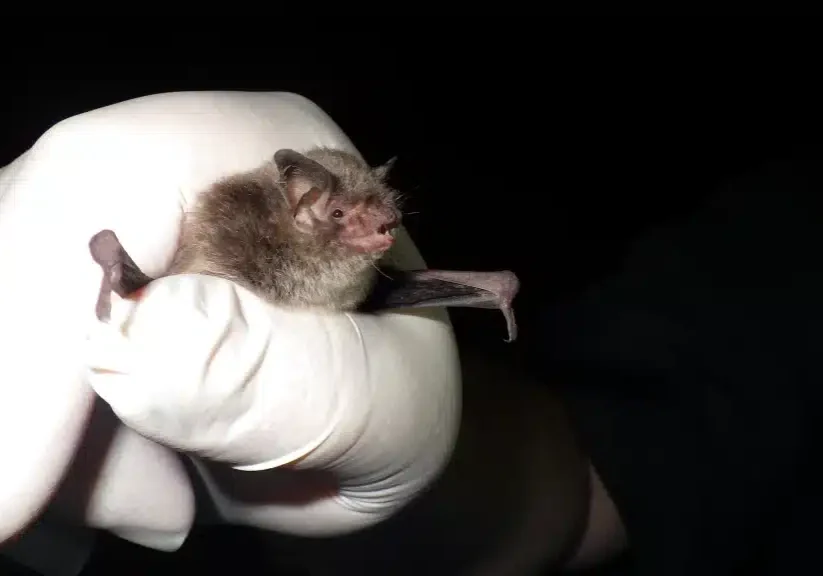
Signs of Life
In the Nantahala National Forest, a team of biologists spotted Indiana bats, an endangered species that hasn’t been seen in North Carolina for the last 11 years.

‘First Line of Defense’
During Hurricane Helene and its aftermath, rural fire departments and other first responder hubs played critical roles in keeping their communities safe, even without power and cut off from outside support for days or weeks after the storm. Two years later, plenty of work remains to ensure these hubs have the resources they need to operate day to day and be ready when emergencies or natural disasters strike.

The Rocky Road — and Bridge — to Recovery
Hurricane Helene is estimated to have damaged nearly 7,000 private roads and bridges in Western North Carolina. Two years later, many restoration projects are complete, but the journey hasn’t been easy — and isn’t over for others.
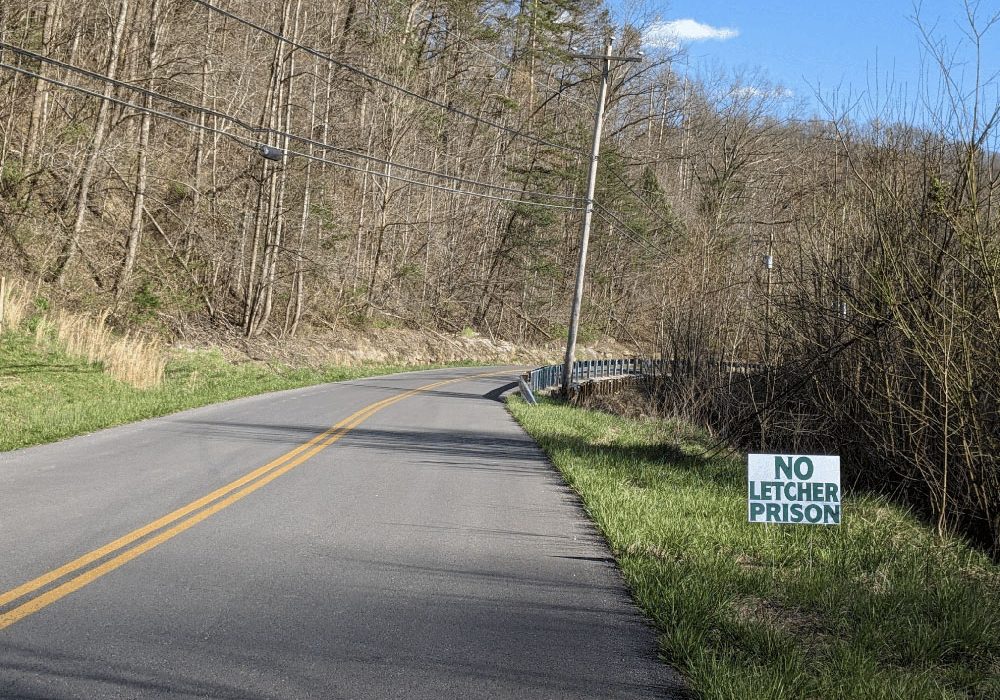
After 20 Years, Letcher County Prison Proposal Is Still Alive, Though Obstacles Remain
A $605 million proposal for a federal prison on a former strip mine site in Letcher County, Kentucky, championed by U.S. Rep. Hal Rogers, refuses to die, despite local opposition, a lack of support from the executive branch and numerous other obstacles.
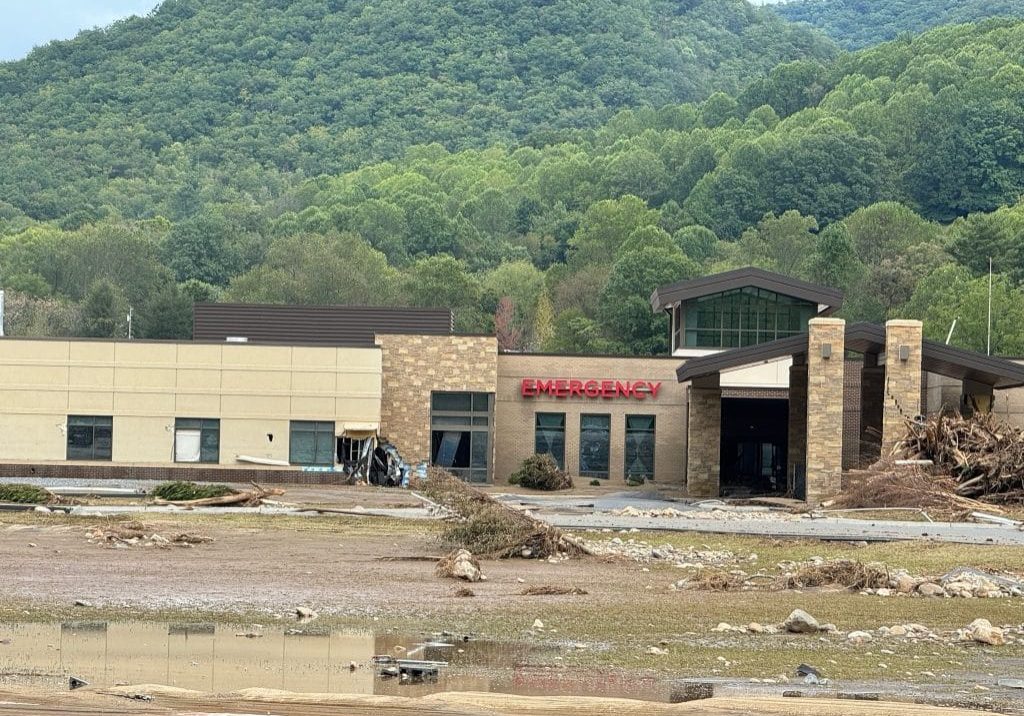
The Washout and Rebuild
For nearly two years, residents of Unicoi County, Tennessee, have had to make do without a hospital after Hurricane Helene destroyed the rural hospital. Ballad Health, which owns the hospital, broke ground on a new location — in another floodplain — in August 2026.

The Shenandoah Salamander
The Shenandoah salamander is a woodland salamander, which has adapted to life at higher elevations away from water. This sparkling rarity lives among the dry leaves, cracked logs, and stony hillocks on the highest peaks of Shenandoah National Park.

Leave a comment
Your email address will not be published. Required fields are marked *
Leave a Comment