

Chrissy Zeltner

Photo by Michael Sawyer
“West Virginia has just got some of the prime, most spectacular whitewater in the world,” Zeltner says. “The rivers and the scenery here in West Virginia parallel some of the most beautiful places I’ve seen in the world.”
Zeltner has recorded over 200 days of overnight kayaking across five countries, including kayaking the entire Grand Canyon portion of the Colorado River five times, the challenging Green River in Colorado and Romaine River in Canada among many others. In addition to her kayaking resume, she also has an impressive role as an advocate for the rivers she loves.
In 2006, a fellow kayaker asked Zeltner to join the board of directors for the West Virginia Rivers Coalition, an organization founded by paddlers and whitewater enthusiasts to advocate for clean water for drinking and recreation. She has been an active member of the board for the past 13 years and is now chair of the board of directors.
According to Zeltner, her recreation interests originally brought her to the group, but her experience on the board opened her eyes to other water issues.
“I realized how clean water is a human right and how we need to fight for it,” she says.
Currently, West Virginia Rivers Coalition is involved in efforts to update the state’s water quality standards to follow federal recommendations for acceptable levels of pollutants that harm human health. After industry groups argued that complying with these stronger water quality standards would be too costly, the state legislature passed a bill that delayed the timetable for any changes.
“We’re doing a lot of action alerts and trying to get people calling their representatives,” Zeltner says.
The bill requires the state environmental agency to accept public input until October 2019 and to submit a new proposal for public review before April 2020.
“We can’t stop now,” Zeltner says. “We have too much momentum and there’s too much of a need to stop.” — By Eric Halvarson
Related Articles
Latest News
More Stories

‘First Line of Defense’
During Hurricane Helene and its aftermath, rural fire departments and other first responder hubs played critical roles in keeping their communities safe, even without power and cut off from outside support for days or weeks after the storm. Two years later, plenty of work remains to ensure these hubs have the resources they need to operate day to day and be ready when emergencies or natural disasters strike.

The Rocky Road — and Bridge — to Recovery
Hurricane Helene is estimated to have damaged nearly 7,000 private roads and bridges in Western North Carolina. Two years later, many restoration projects are complete, but the journey hasn’t been easy — and isn’t over for others.
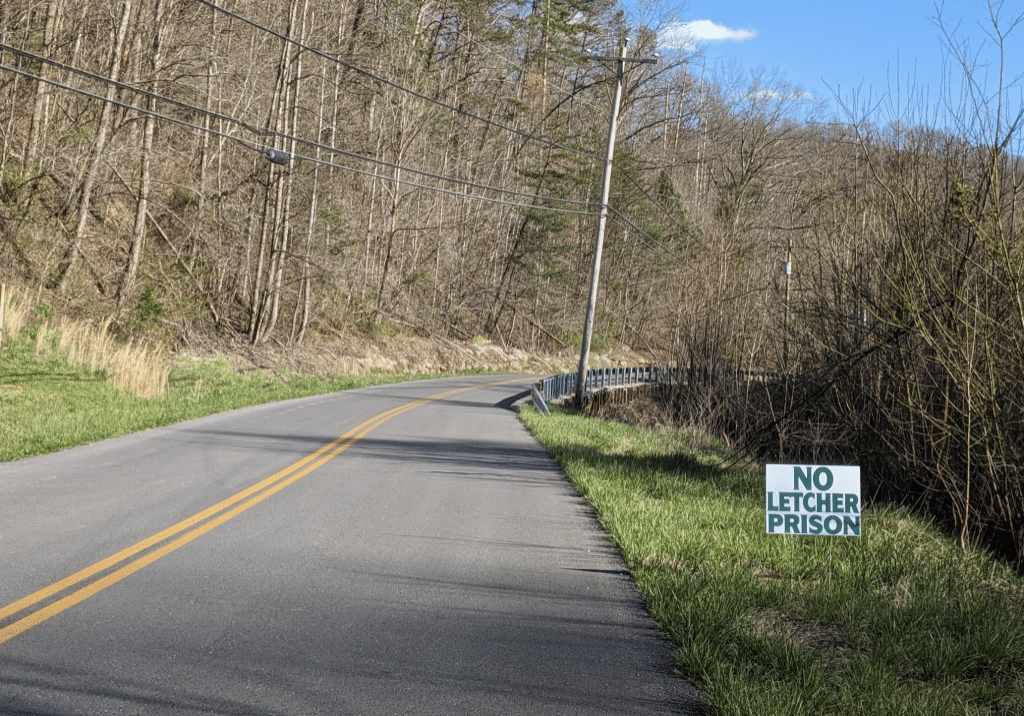
After 20 Years, Letcher County Prison Proposal Is Still Alive, Though Obstacles Remain
A $605 million proposal for a federal prison on a former strip mine site in Letcher County, Kentucky, championed by U.S. Rep. Hal Rogers, refuses to die, despite local opposition, a lack of support from the executive branch and numerous other obstacles.
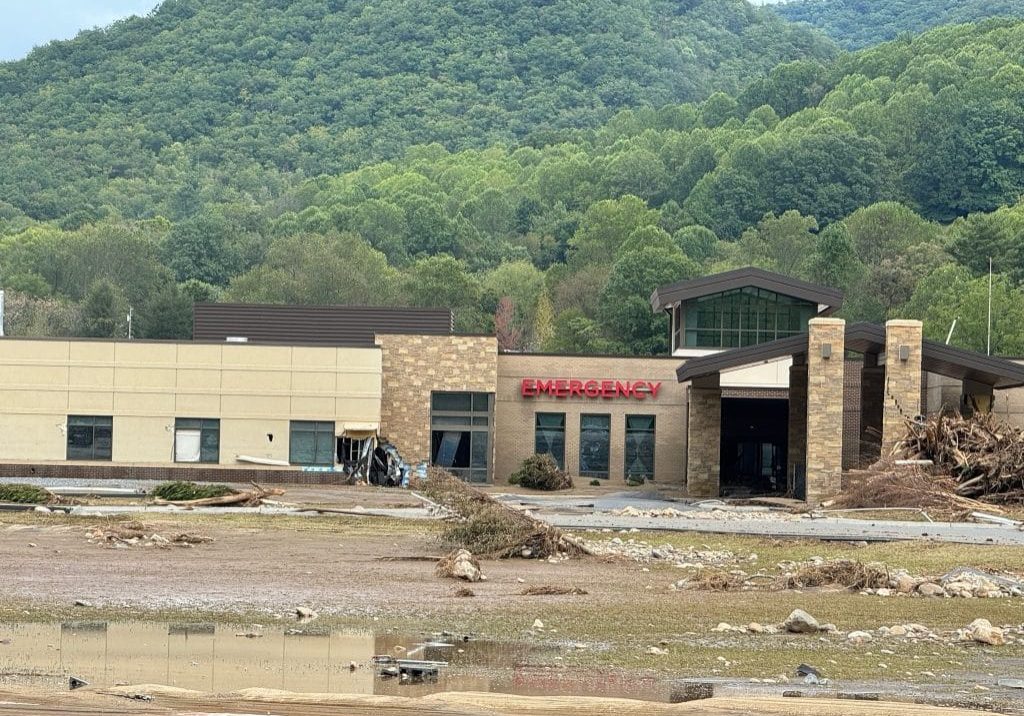
The Washout and Rebuild
For nearly two years, residents of Unicoi County, Tennessee, have had to make do without a hospital after Hurricane Helene destroyed the rural hospital. Ballad Health, which owns the hospital, broke ground on a new location — in another floodplain — in August 2026.
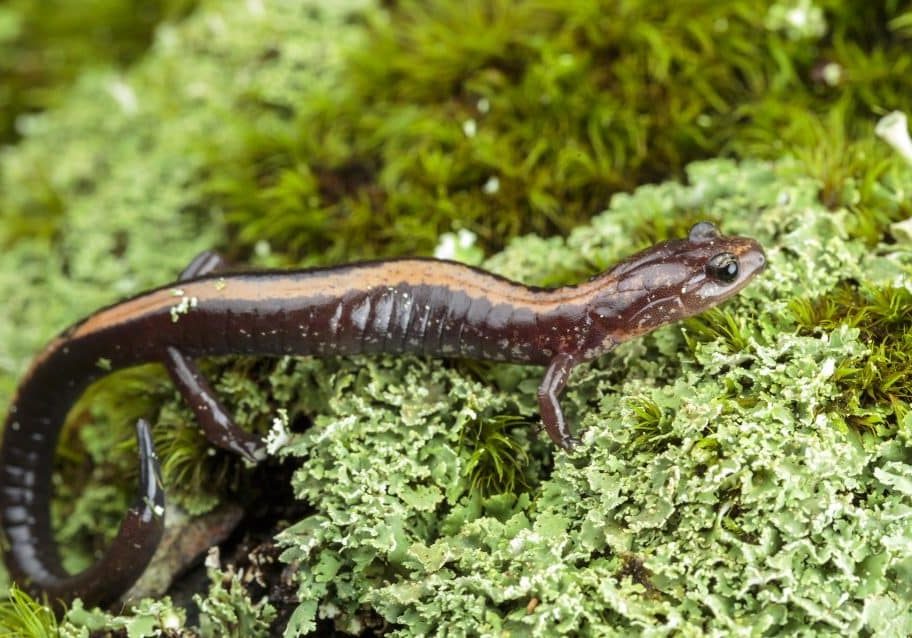
The Shenandoah Salamander
The Shenandoah salamander is a woodland salamander, which has adapted to life at higher elevations away from water. This sparkling rarity lives among the dry leaves, cracked logs, and stony hillocks on the highest peaks of Shenandoah National Park.
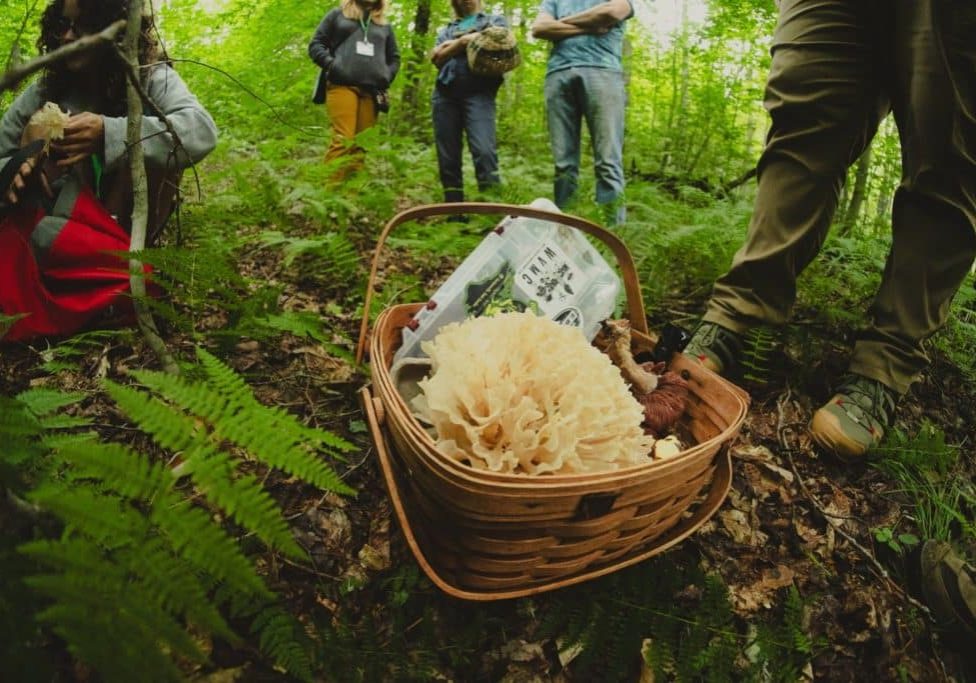
‘Foraging Is a Way of Connecting’
Foraging has experienced a modern resurgence, partly because of social media, online groups, the pandemic and people wanting to connect with nature. It also builds community, whether in person or online.

Leave a comment
Your email address will not be published. Required fields are marked *
Leave a Comment