Skip to content
voice_header_logo_sm
A publication of Appalachian Voices
  • Issues
    • Home page
    • Summer 2025 Print Edition
    • Archives
  • Columns
    • Hiking the Highlands
    • This Green House
    • Naturalist’s Notebook
    • Across Appalachia
    • Energy Report
  • About The Voice
  • About Appalachian Voices
    • Our mission and vision
    • Contact Us
    • Get Involved
  • Our Work
    • End Mountaintop Removal Coal Mining
    • A New Economy for Appalachia
    • Holding the Coal Industry Accountable
    • Stop Pipelines & Fracked Gas
    • Energy Democracy for All
  • Search
SUBSCRIBE
DONATE
A publication of Appalachian Voices
  • Issues
    • Home page
    • Summer 2025 Print Edition
    • Archives
  • Columns
    • Hiking the Highlands
    • This Green House
    • Naturalist’s Notebook
    • Across Appalachia
    • Energy Report
  • About The Voice
  • About Appalachian Voices
    • Our mission and vision
    • Contact Us
    • Get Involved
  • Our Work
    • End Mountaintop Removal Coal Mining
    • A New Economy for Appalachia
    • Holding the Coal Industry Accountable
    • Stop Pipelines & Fracked Gas
    • Energy Democracy for All
  • Search

Story Archives

To view complete issues and download pdfs, visit our issue archives page

“The hooded warbler is what I call my spark bird, which is [the bird that] gets you into birding,” Fox says. “You see a bird, and it gets you wondering what it is, and then suddenly you discover there's this whole world of birds that you didn't know about.” Photo by Kelly Fox

Spotting Fall Warblers at Seven Islands State Birding Park

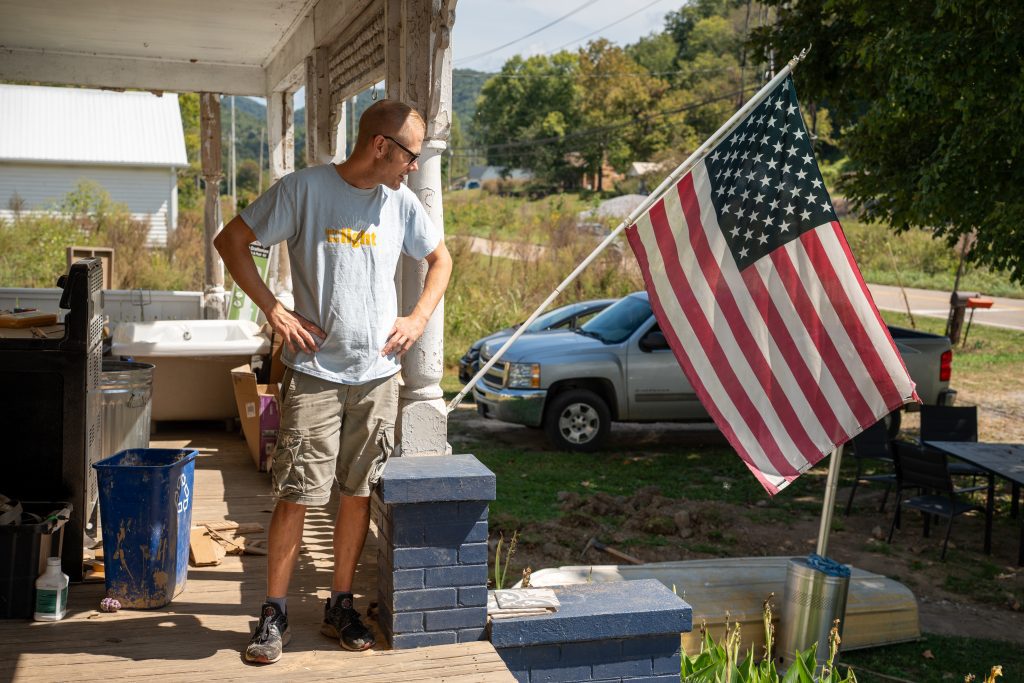
Theo Crouse-Mann feels fortunate to be able to return to his home, even if it has taken a year and he’s encountered a lot of red tape to fund the restoration work. “It's hard to grasp the whole thing,” he shares, emphasizing that only now has the “deeper stuff” and “trauma” of what his family went through begun to settle in. Photo by Abby Hassler

‘We Certainly Have a Long Way to Go’

Roanoke logperch swimming in a stream

‘King of the Darters’ Removed from Endangered Species List 

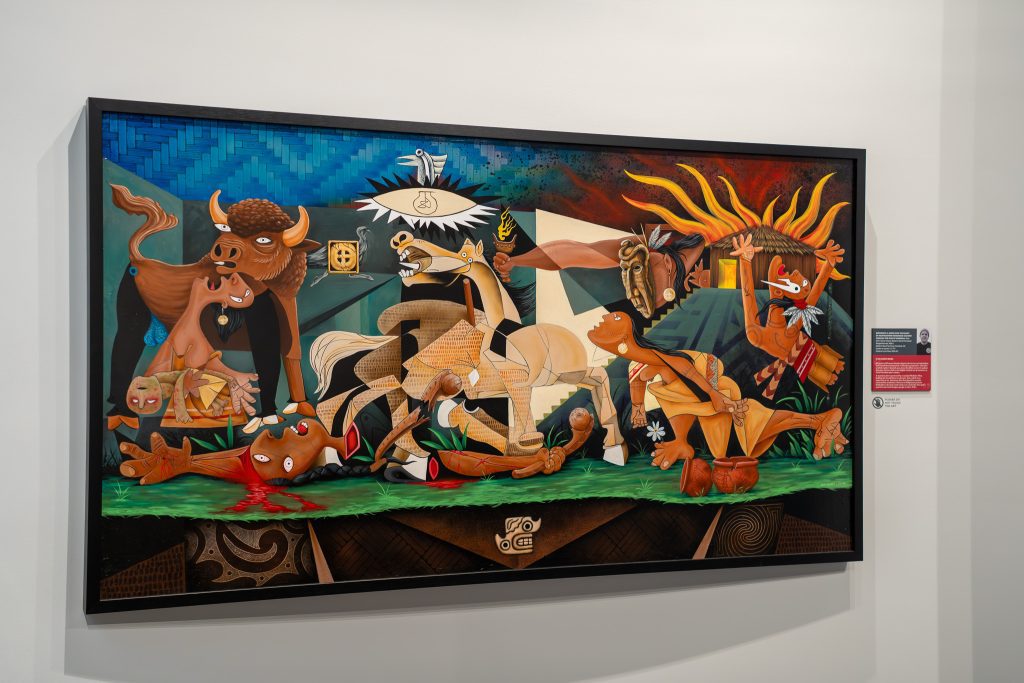
John Henry Gloynes "Birthright A vision into the plight of Southeastern indigenous culture through the eyes of Guernica."

Continuity of Connection: Museum Exhibition Features Contemporary Native Artwork About Indigenous Mounds 

Bleeding Tooth Fungus - Holger Krisp via Wikimedia Commons

Appalachia’s Funkiest Fungi

Photo by Willie Dodson

Protected Paths: Trails Through Public Lands

Wild South’s chainsaw team (left to right: Ben Shaw, Nick Massey and Taylor Hilgeman) lend a hand rerouting a section of the Mountains-to-Sea Trail near Table Rock in response to Hurricane Helene. This section was next to, but outside of, the Linville Gorge Wilderness, so chainsaw use was permitted. Photo by Jonathan Massey, Wild South

The Long Trail Back: Public Lands Recovery After Hurricane Helene

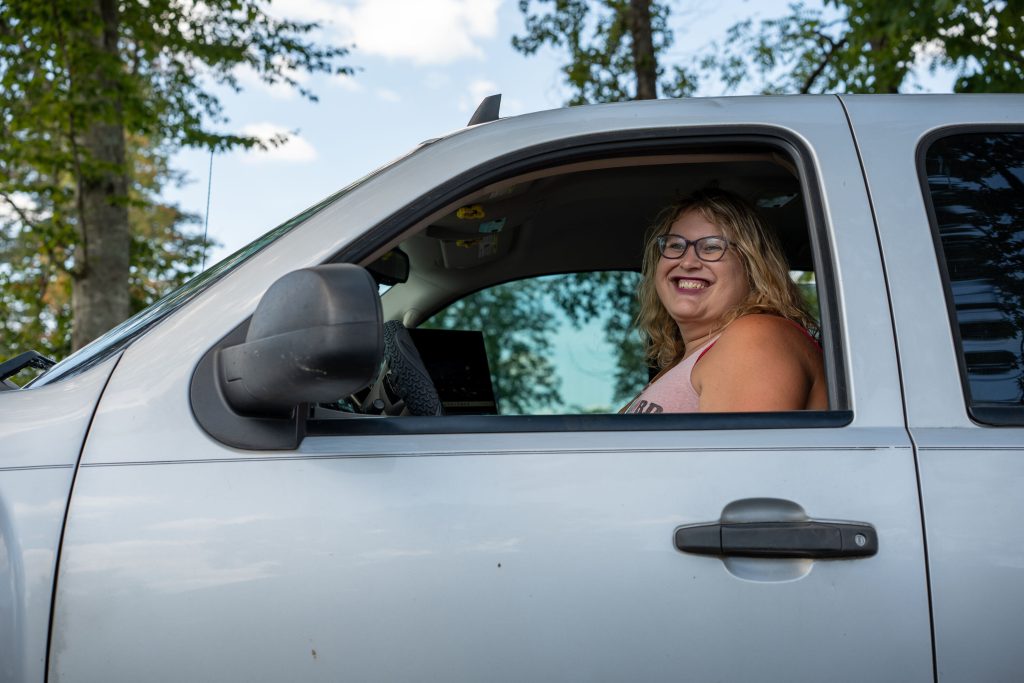
Patricia Smarsh and Jeffrey Gilliam stand in front of their crepe myrtles. Photo by Abby Hassler

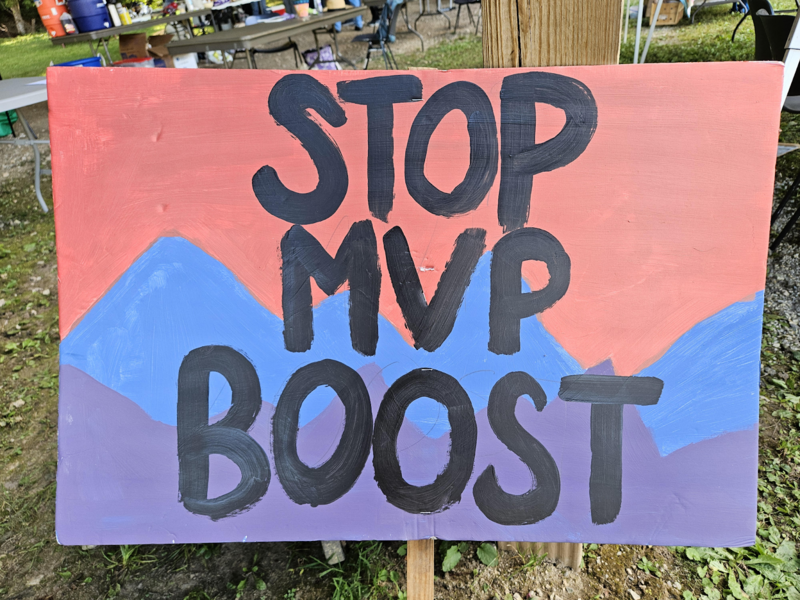
People vs. Pipelines

Hellbenders require clean water to survive. Photo by Jacob Loyacano/Shutterstock.com

A Call to Protect the Hellbender, Appalachia’s Largest Salamander

Graphic of the capitol building on a white background

Facing a Funding Fight 

  • « Previous
  • 1
  • 2
  • 3
  • 4
  • …
  • 296
  • Next »

Follow us on Facebook Follow us on Instagram Follow us on Bluesky Visit us on Youtube Follow us on Linkedin Follow us on X

AV-mountainBorder-3green
AppVoices-logo-stacked-white
  • About Us
  • Our Work
  • Careers & Internships
  • Policies
  • The Appalachian Voice
  • Front Porch Blog
  • Press Room
  • Get Involved

Sign Up

Subscribe for regular news & updates

Sign Up

© 2026 Appalachian Voices. All Rights Reserved.

Website created by Pen & Mug