

Standing up to the utility giants
In a testament to the power that Dominion Energy, Virginia’s largest corporate political campaign donor, is accustomed to wielding, the state has earned a dubious distinction: “One of the top state regulatory environments for utilities in the U.S.,” according to Goldman Sachs.
The key phrase here is “for utilities.” But what’s best for these companies’ bottom lines is not necessarily best for the rest of us, who are known in utility-speak as “ratepayers.” The same goes for the citizens literally standing in the way of massive corporations’ quest for continued dominance over energy markets — the farmers, homeowners and small businesses in the paths of the proposed fracked-gas Atlantic Coast and Mountain Valley pipelines.
Monopoly utilities like Virginia’s Dominion Energy make large profits by investing billions in electricity generation, transmission and distribution projects, then charging ratepayers to recoup costs, plus a guaranteed rate of return generally between 10 and 13 percent — with virtually no risk.
So it’s essential that state utility commissions review every expenditure the company proposes to ensure that it serves the public interest.
But in the face of a changing energy landscape where solar power generated by homeowners and small businesses threatens its business model, and widespread public outrage over the Atlantic Coast Pipeline, Dominion is once again asking the Virginia General Assembly for special favors. It’s asking legislators for an end-run around utility commission review, opening the gates to unnecessary projects, increased electricity rates and more big utility profits.
In short, utilities need this kind of special treatment from the government to maintain their excessive profits on the backs of ratepayers. And if Dominion succeeds in obtaining permits to build its controversial $5 billion pipeline, it plans to use the government’s power of eminent domain to condemn the property of landowners along the route who refuse to sell. These extraordinary powers are dangerous if misused, and we rely on our democracy to ensure that they are not.
It’s high time for our elected representatives to finally say “no” to utility giants like Dominion when they demand more power over our lives and future for the sake of shareholder profits.
Tom Cormons, Executive Director
Related Articles
Latest News
More Stories

‘First Line of Defense’
During Hurricane Helene and its aftermath, rural fire departments and other first responder hubs played critical roles in keeping their communities safe, even without power and cut off from outside support for days or weeks after the storm. Two years later, plenty of work remains to ensure these hubs have the resources they need to operate day to day and be ready when emergencies or natural disasters strike.

The Rocky Road — and Bridge — to Recovery
Hurricane Helene is estimated to have damaged nearly 7,000 private roads and bridges in Western North Carolina. Two years later, many restoration projects are complete, but the journey hasn’t been easy — and isn’t over for others.
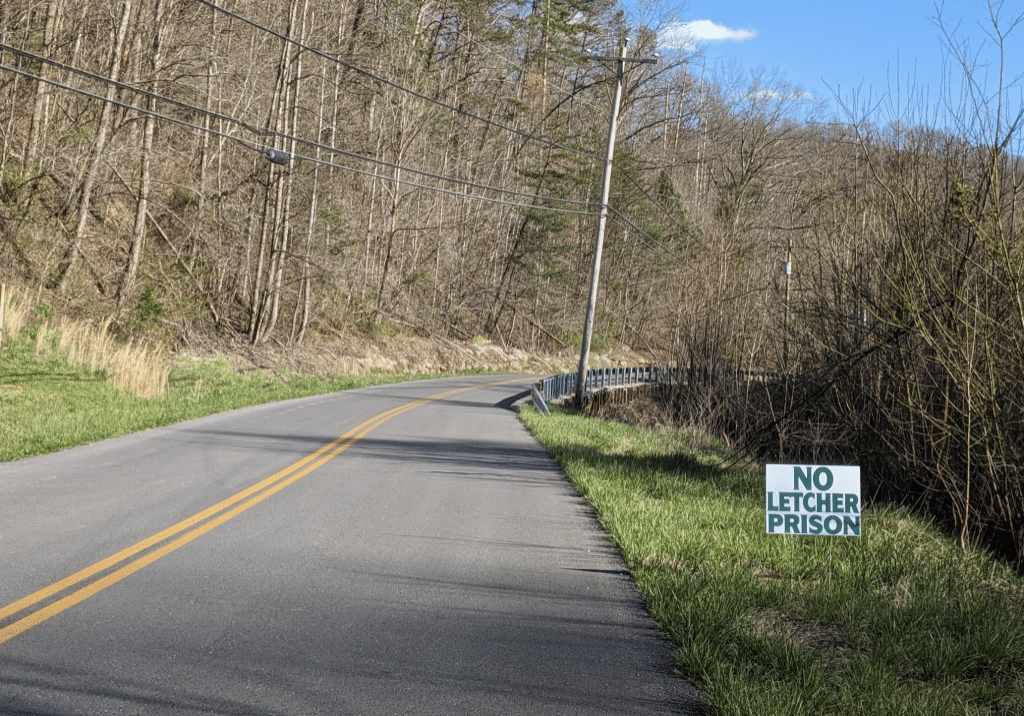
After 20 Years, Letcher County Prison Proposal Is Still Alive, Though Obstacles Remain
A $605 million proposal for a federal prison on a former strip mine site in Letcher County, Kentucky, championed by U.S. Rep. Hal Rogers, refuses to die, despite local opposition, a lack of support from the executive branch and numerous other obstacles.
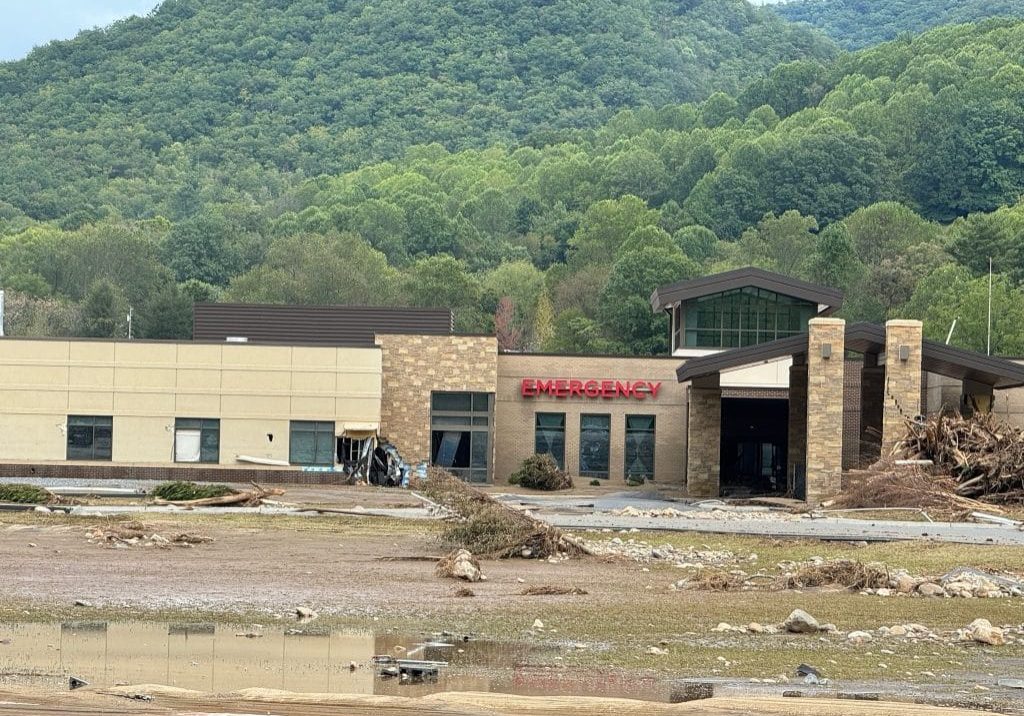
The Washout and Rebuild
For nearly two years, residents of Unicoi County, Tennessee, have had to make do without a hospital after Hurricane Helene destroyed the rural hospital. Ballad Health, which owns the hospital, broke ground on a new location — in another floodplain — in August 2026.
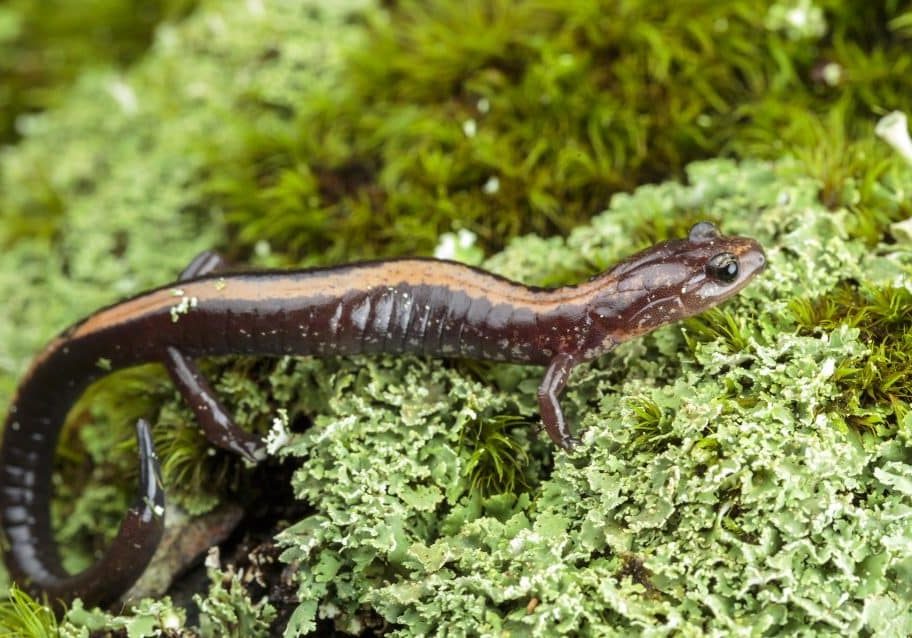
The Shenandoah Salamander
The Shenandoah salamander is a woodland salamander, which has adapted to life at higher elevations away from water. This sparkling rarity lives among the dry leaves, cracked logs, and stony hillocks on the highest peaks of Shenandoah National Park.
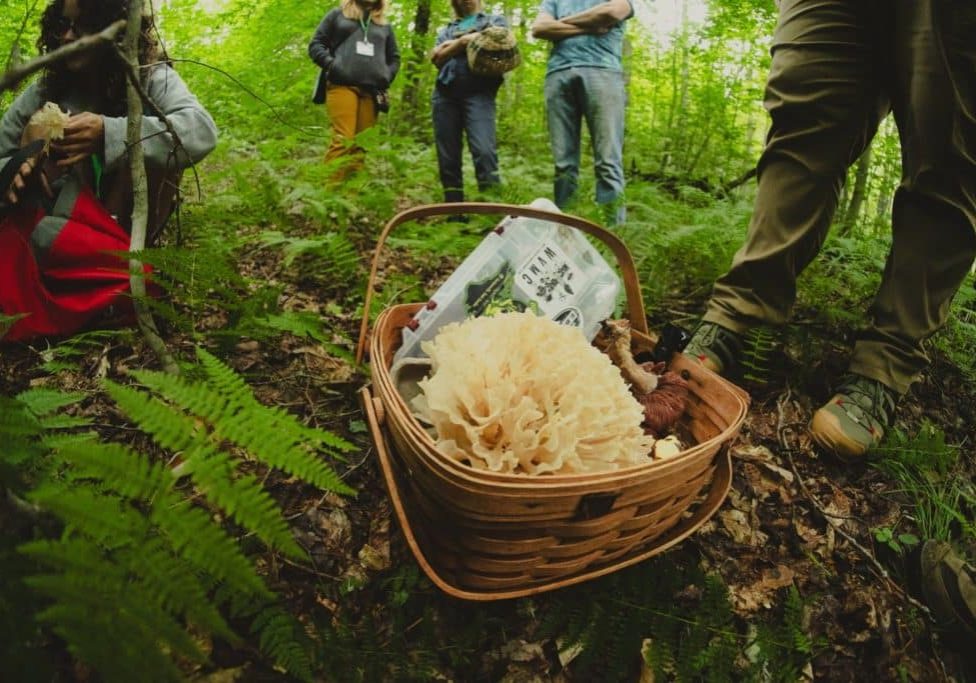
‘Foraging Is a Way of Connecting’
Foraging has experienced a modern resurgence, partly because of social media, online groups, the pandemic and people wanting to connect with nature. It also builds community, whether in person or online.

Leave a comment
Your email address will not be published. Required fields are marked *
Leave a Comment