

By W. Spencer King
High school students from different sides of the world recently took part in a year-long cultural exchange program that involved frequent communication and highlighted similar folk traditions, arts and music.
In fall 2014, four Romanian students visited Wahama High School in Mason, W.Va., for two weeks, exploring the connections between traditional Romanian folk music and music from Appalachia. The students found that both cultures share a history of coal mining, and the music from both areas reflects themes of wages, labor and class.
This past spring, four students from Wahama High School traveled to Anina in Gorj County, Romania, to spend two weeks learning about Romanian customs and heritage, and to share some of their own Appalachian culture.
The Clay Center in Mason received a grant that paired them with museums from around the world. “It was sort of like speed dating,” says Melissa Rhodes of the Clay Center. “People from other countries and people from [West Virginia] got onto the site and tried to find similarities … we have a lot in common with Romania with our folk music, geology and geography.”
“[The Romanian people] are very proud of their heritage and their history,” she says. “Tradition is very important to them, and they’re very family oriented just like we are here in West Virginia.”
“You go to another country and expect things to be really different,” says Jamie Adamik of the Clay Center. “But when you get there you realize that everybody there are people just like us, teachers, students, we got to visit their homes and see where they lived.”
The students and teachers remain in contact through email, Facebook and letters. The Clay Center is working on a grant that, if approved, will continue the project with new schools from West Virginia and Romania.
Related Articles
Latest News
More Stories
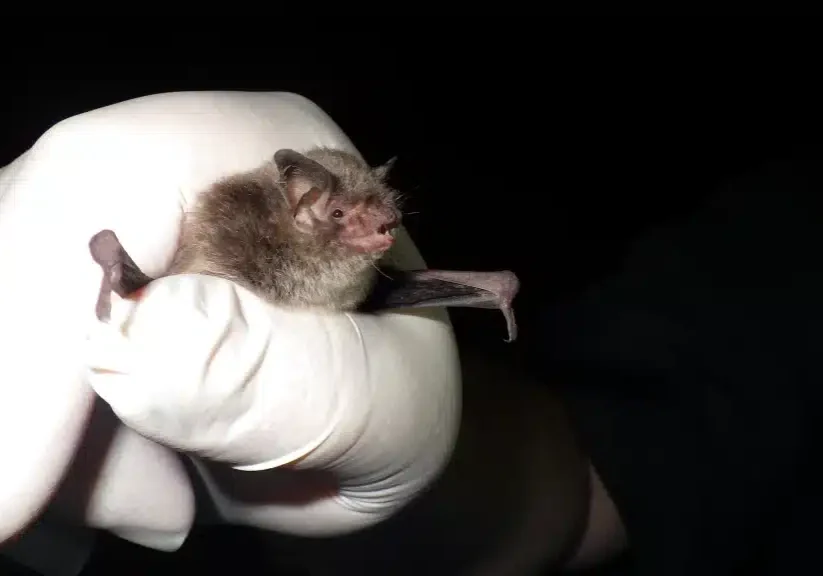
Signs of Life
In the Nantahala National Forest, a team of biologists spotted Indiana bats, an endangered species that hasn’t been seen in North Carolina for the last 11 years.
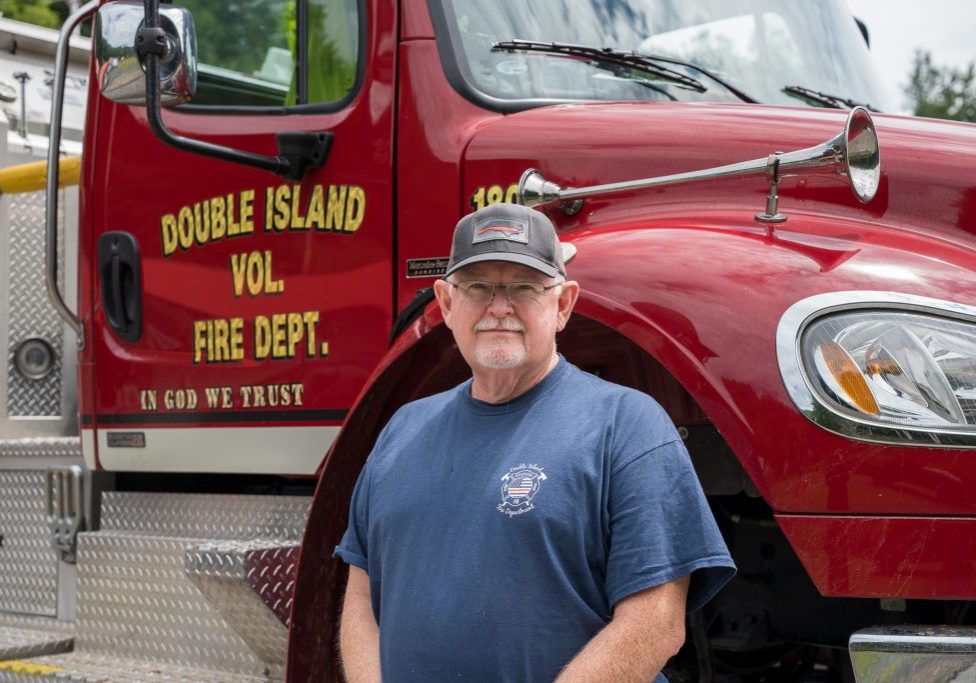
‘First Line of Defense’
During Hurricane Helene and its aftermath, rural fire departments and other first responder hubs played critical roles in keeping their communities safe, even without power and cut off from outside support for days or weeks after the storm. Two years later, plenty of work remains to ensure these hubs have the resources they need to operate day to day and be ready when emergencies or natural disasters strike.
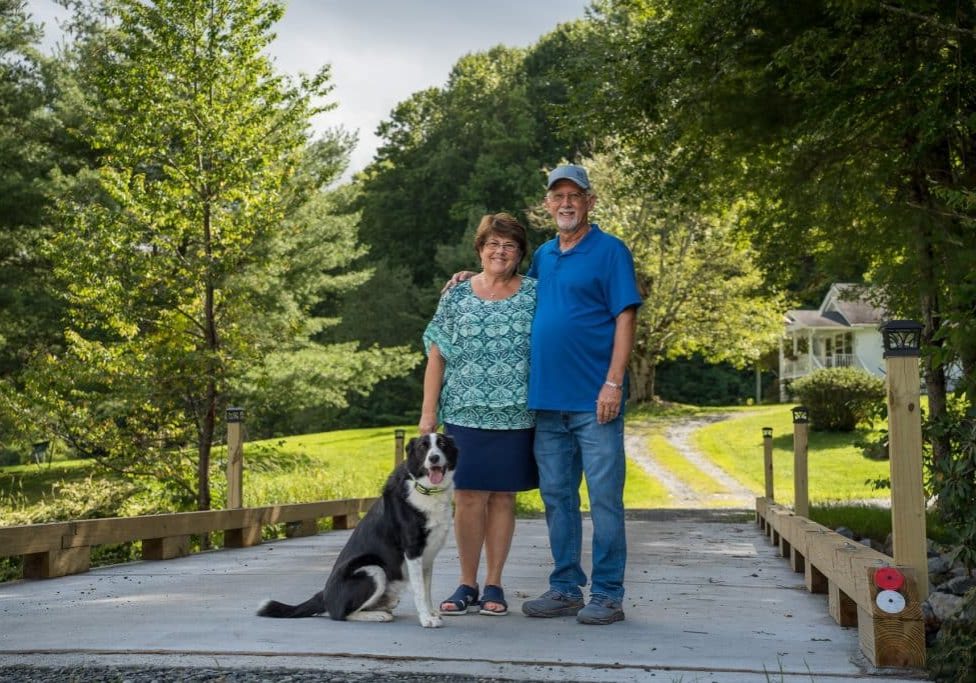
The Rocky Road — and Bridge — to Recovery
Hurricane Helene is estimated to have damaged nearly 7,000 private roads and bridges in Western North Carolina. Two years later, many restoration projects are complete, but the journey hasn’t been easy — and isn’t over for others.
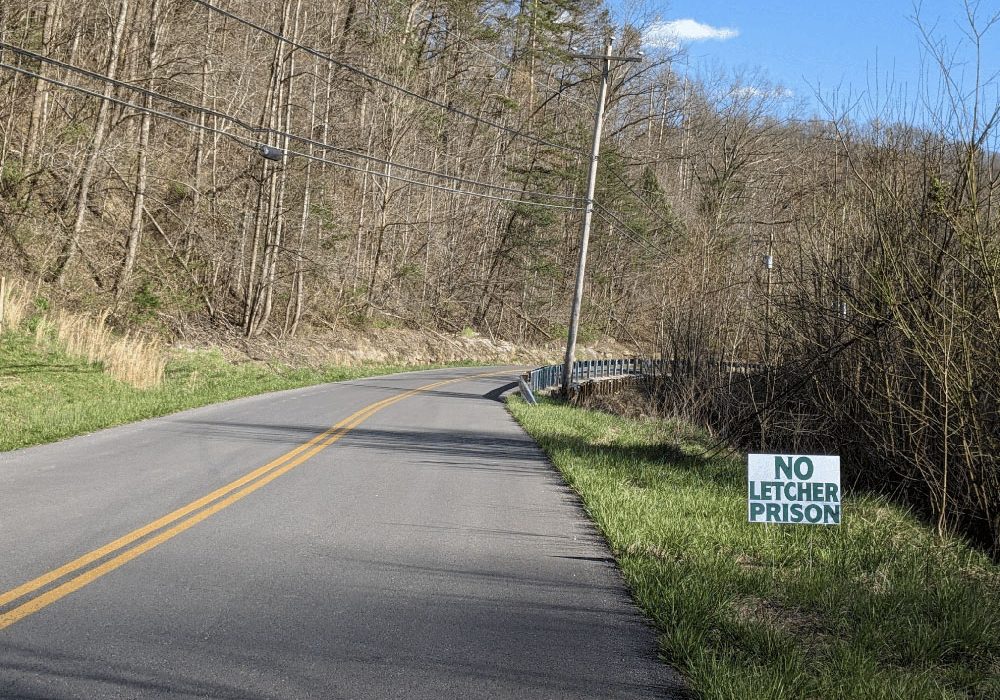
After 20 Years, Letcher County Prison Proposal Is Still Alive, Though Obstacles Remain
A $605 million proposal for a federal prison on a former strip mine site in Letcher County, Kentucky, championed by U.S. Rep. Hal Rogers, refuses to die, despite local opposition, a lack of support from the executive branch and numerous other obstacles.
The Washout and Rebuild
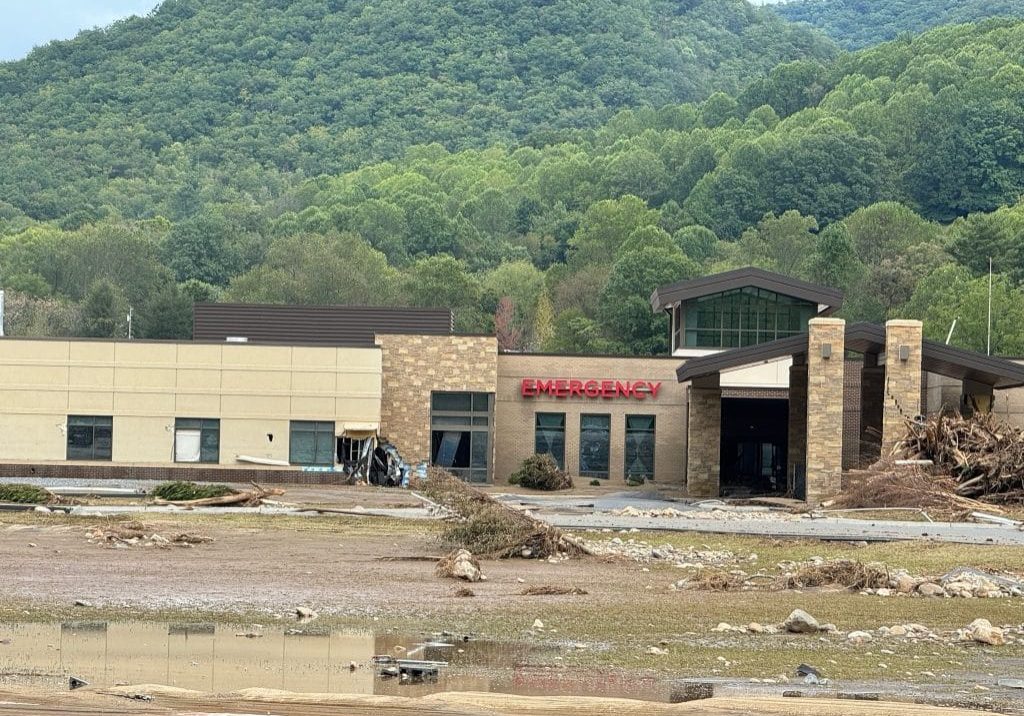
For nearly two years, residents of Unicoi County, Tennessee, have had to make do without a hospital after Hurricane Helene destroyed the rural hospital. Ballad Health, which owns the hospital, broke ground on a new location — in another floodplain — in August 2026.

The Shenandoah Salamander
The Shenandoah salamander is a woodland salamander, which has adapted to life at higher elevations away from water. This sparkling rarity lives among the dry leaves, cracked logs, and stony hillocks on the highest peaks of Shenandoah National Park.

Leave a comment
Your email address will not be published. Required fields are marked *
Leave a Comment