

‘Living the AmeriCorps Dream’?
AmeriCorps Programs in Appalachia Continue on Shakier Ground
By Carl Blankenship
Eleanor Renshaw is “living the AmeriCorps dream.”
The 2022 William and Mary grad landed a job as executive director of the Beverly Heritage Center in Randolph County, West Virginia, after a stint in the national service program.
Her path to falling in love with the area and leading the small museum after working in AmeriCorps programs is not uncommon for recent graduates trying to break into their fields, but those programs were cast into uncertainty earlier this year.
AmeriCorps is a federal agency that mainly distributes grants to fund public service projects and uses some funding for its in-house programs. The grants are administered by a network of state agencies, nonprofits and higher-education institutions, amounting to hundreds of millions of dollars for service projects each year. The programs help pay service members to staff everything from national initiatives like Teach for America to local stream conservation efforts and history museums. The nominal living allowance members are paid varies depending on the organizations they work with, but members with AmeriCorps’ in-house programs are paid the equivalent of $12 per hour and often given an award to pay for higher education.
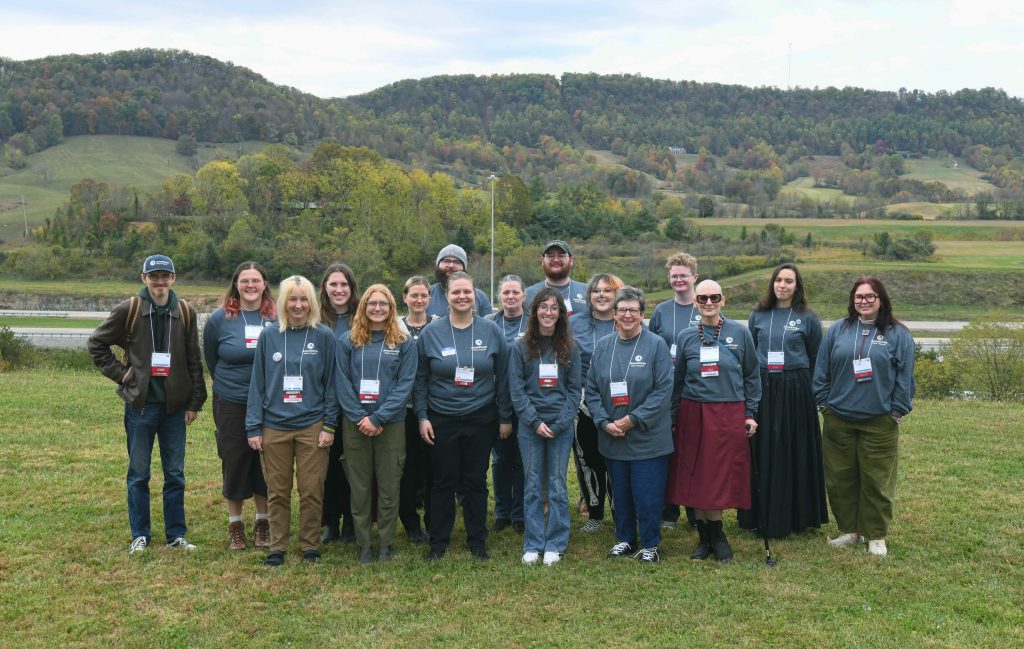
In West Virginia alone, the program paid out more than $6.5 million and returned more than $23 per dollar the state invested in service projects in 2024. AmeriCorps members maintained trails and built new ones. They restored historic properties, maintained public land, and provided communities with tens of thousands of meals, education services and drug intervention services.
Hundreds of projects throughout Appalachia received support from AmeriCorps national service members this year before the agency became the target of the so-called Department of Government Efficiency in April. The White House cancelled $400 million in AmeriCorps grants unilaterally, forcing some programs to immediately wrap for the year. Some states later had funding restored after a lawsuit led by attorneys general, and the next cycle of grants from the program is expected to continue this year.
The Clinch-Powell Resource Conservation and Development Council received a termination letter in April informing the organization that its program was over for the fiscal year.
Clinch-Powell is a nonprofit community development organization that provides housing development, conservation services and sustainable community development, and administers an AmeriCorps grant program. They have been recruiting and placing volunteers for service projects for more than 30 years, nearly as long as AmeriCorps has existed — it was established by Congress in 1994 and signed into law by former President Bill Clinton.
Stephani McCarty manages the AmeriCorps program and was an AmeriCorps member with Clinch-Powell before she became a regular employee in 2010. She has never seen this level of disruption and uncertainty for the program.
McCarty notes it is not unusual for AmeriCorps to change. Whether the funding is being passed down via a state formula or directly from the federal government can vary, and even the program focus tends to move.
“A few years back, climate and conservation were very important,” she says. “Maybe the focus one year might be more on economic opportunity and affordable housing. In various years, we’ve been funded either way.”

Clinch-Powell’s AmeriCorps program, Appalachia CARES, falls within the nonprofit’s broader mandate to build strong communities, care for people and protect natural resources. Appalachia CARES typically partners with 35 to 40 organizations across the state and recruits 70 to 100 AmeriCorps members each year. The most recent grant was worth more than $700,000.
Despite the shock in April when she was given an afternoon’s notice to close the program down, McCarty shares that the letter advised Clinch-Powell to expect the next round of funding to be already appropriated and applications to be reviewed for the coming fiscal year.
“It was an odd situation,” she says.
The executive branch has not blocked approved funding since 1972, when former President Richard Nixon held up funding for policies he opposed. Congress passed a law banning the practice in response. The Trump administration’s move to block grants and dismantle AmeriCorps set off a chain of lawsuits that resulted in some money resuming where it had been cut off.
Clinch-Powell has narrowed the focus of its program due to uncertainty around the federal funding landscape, explains McCarty.
“We are an active program and still very much champions of AmeriCorps and the work its members have done and are doing across the country,” she continues.
Not every program had its spigot cut off. The Appalachian Forest National Heritage Area, based in Elkins, West Virginia, operates a program similar in size to Clinch-Powell, but Executive Director Logan Smith explains that the organization’s funding was left intact, even as he saw colleagues in other AmeriCorps programs receive termination notices.
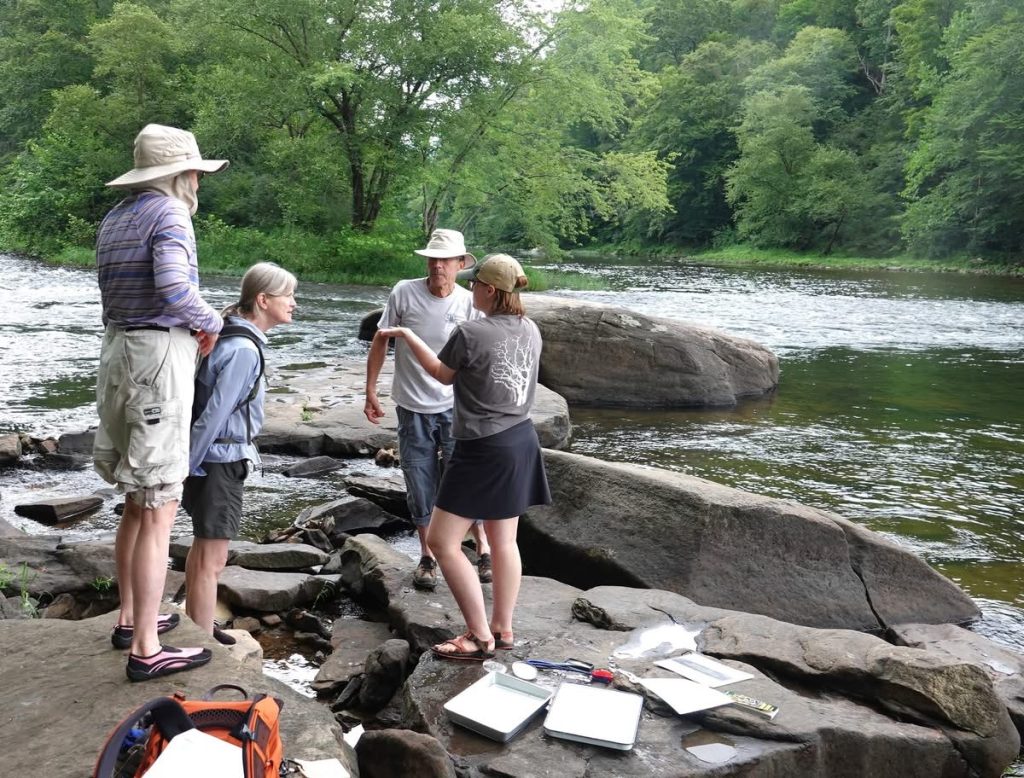
AFNHA’s 30 members are spread throughout its 18-county coverage area. Many members work on behalf of federal agencies, performing everything from trail maintenance and water quality monitoring to running education programs, including snorkeling trips to teach kids about macroinvertebrates. Members also work on historical preservation projects, like digitizing the Augusta Heritage Center’s massive collection of folk music.
Beverly Heritage Center is one of AFNHA’s member sites and hosts about four AmeriCorps members each year. The museum chronicles the history of Randolph County in its small complex of historic buildings.
Beverly Heritage Center Executive Director Eleanor Renshaw, the museum’s only full-time staff member, said members are often the first friendly face visitors see when they come to the center, and they increase the museum’s capacity to preserve the buildings and provide programs like a series of historic lantern tours the center hosted in October.
One AFNHA member is serving with the Rich Mountain Battlefield Foundation, one of the center’s funding partners, clearing fallen trees from one of the walking paths at the early Civil War battle site and restoring the historic sign marker.
Renshaw said the program helps recent college graduates gain experience in fields that can be difficult to break into, such as museum and heritage work. When Renshaw graduated from college with an anthropology degree in 2022, she worked with archaeologists and scholars on the East Coast before serving as an AmeriCorps member in the Southwest. She wanted to move back closer to home and was recruited to an AmeriCorps position at AFNHA’s Appalachian Forest Discovery Center, and was later hired to direct the Beverly Center.
“I’m living the AmeriCorps dream,” Renshaw says.
Smith saw several partner sites receive work-stop orders, including the Preservation Alliance of West Virginia, where he is a board member.
“We started a fundraiser to help pay for as many members as we could, thinking, hoping that they could finish out their year,” Smith says.
Smith states that many AmeriCorps members came from out of state and signed leases for their year of service, expecting they would make ends meet with their stipends, but ended up stuck far from home with no work.
“It’s a horrible thing to do to people, and some of the most vulnerable, just fresh out of college, kids that are trying to get a leg up and get some experience, and you just go ‘oh sorry we don’t need you anymore, thanks,’” Smith says.
Smith shares that AFNHA had a few extra slots in its program as well, so it picked up a team of members from the preservation alliance and let them finish out the year, adding that he has seen other state organizations work together to protect the national service members.
The situation has made recruiting more difficult, though AFHNA still hopes to fill out its program for the coming year.
Funding for AmeriCorps in Fiscal Year 2026 is still uncertain. Before the U.S. government shut down in October, the Senate Appropriations Committee passed a bill that would fund AmeriCorps at close to 2025 levels. The House Appropriations Committee, however, passed a bill that would slash funding by nearly 50% and rename the program the “America First Corps.” President Donald Trump’s proposed budget, issued this spring, had called for funding just enough “for necessary expenses to carry out the closure of the Corporation for National and Community Service.”
As of press time, AmeriCorps is operational and waiting on a federal budget for Fiscal Year 2026. If Congress and the president do not finalize a budget by Jan. 30, 2026, the agency would cease operations until funding resumes.
Related Articles
Latest News
More Stories

‘First Line of Defense’
During Hurricane Helene and its aftermath, rural fire departments and other first responder hubs played critical roles in keeping their communities safe, even without power and cut off from outside support for days or weeks after the storm. Two years later, plenty of work remains to ensure these hubs have the resources they need to operate day to day and be ready when emergencies or natural disasters strike.

The Rocky Road — and Bridge — to Recovery
Hurricane Helene is estimated to have damaged nearly 7,000 private roads and bridges in Western North Carolina. Two years later, many restoration projects are complete, but the journey hasn’t been easy — and isn’t over for others.
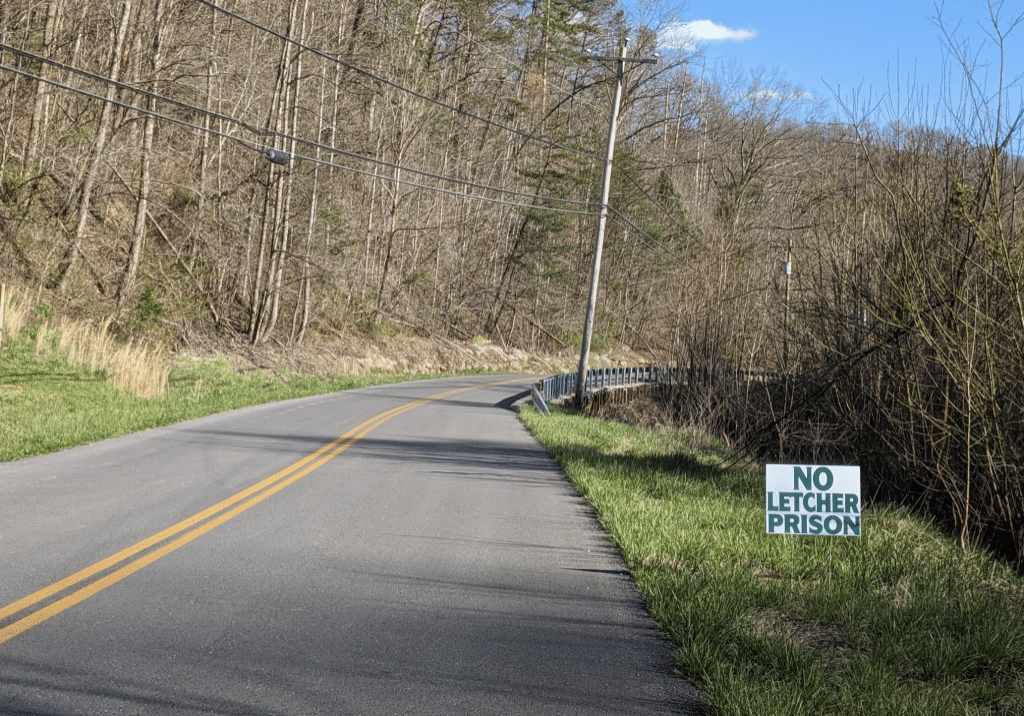
After 20 Years, Letcher County Prison Proposal Is Still Alive, Though Obstacles Remain
A $605 million proposal for a federal prison on a former strip mine site in Letcher County, Kentucky, championed by U.S. Rep. Hal Rogers, refuses to die, despite local opposition, a lack of support from the executive branch and numerous other obstacles.
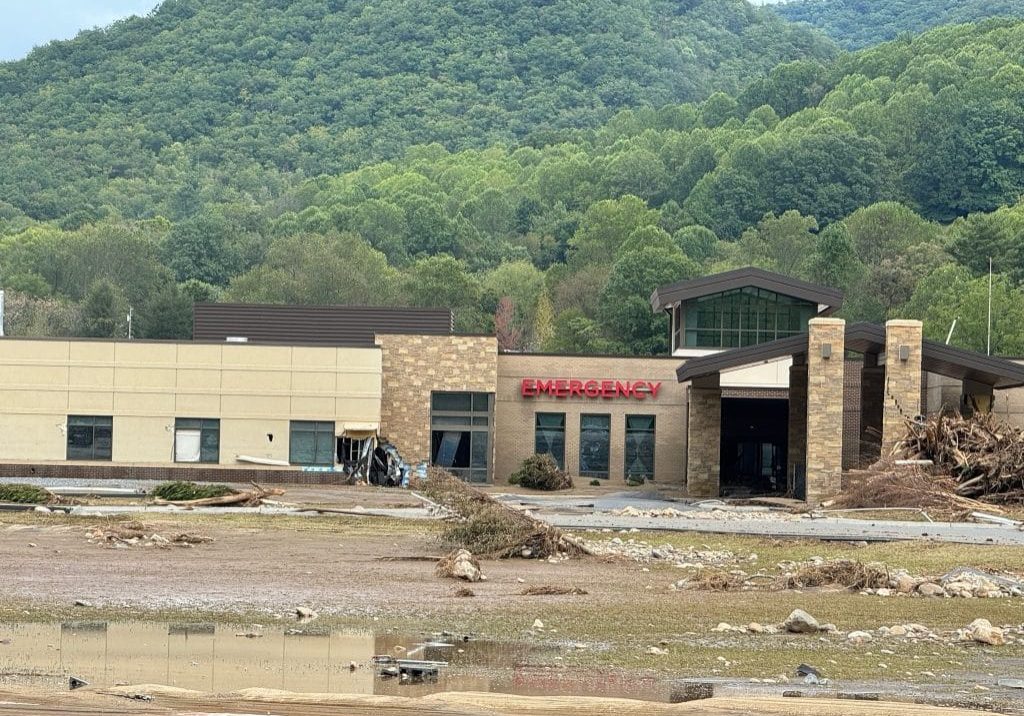
The Washout and Rebuild
For nearly two years, residents of Unicoi County, Tennessee, have had to make do without a hospital after Hurricane Helene destroyed the rural hospital. Ballad Health, which owns the hospital, broke ground on a new location — in another floodplain — in August 2026.

The Shenandoah Salamander
The Shenandoah salamander is a woodland salamander, which has adapted to life at higher elevations away from water. This sparkling rarity lives among the dry leaves, cracked logs, and stony hillocks on the highest peaks of Shenandoah National Park.
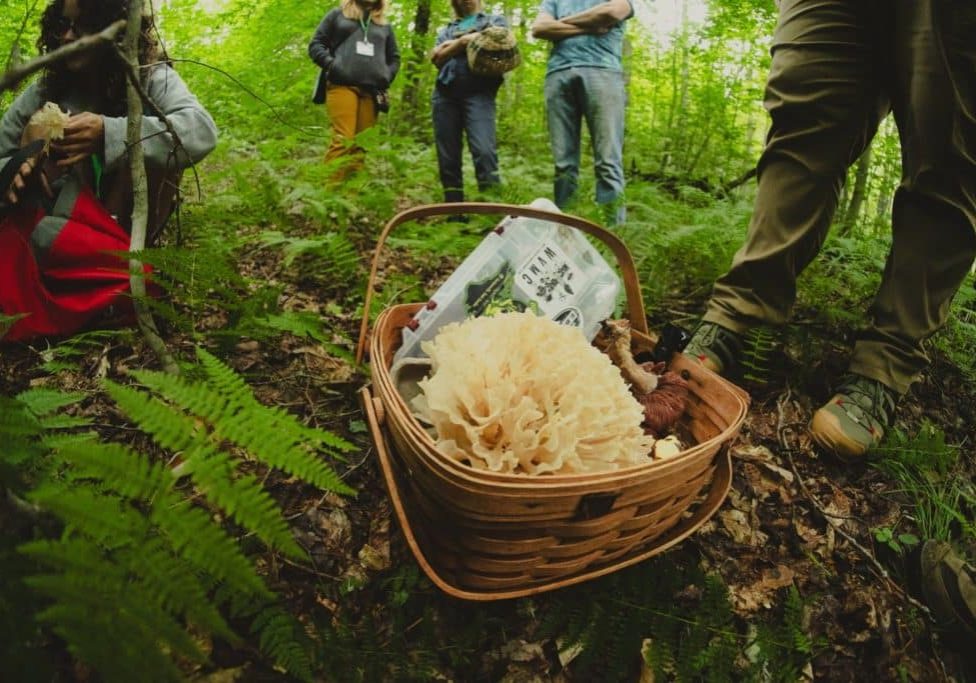
‘Foraging Is a Way of Connecting’
Foraging has experienced a modern resurgence, partly because of social media, online groups, the pandemic and people wanting to connect with nature. It also builds community, whether in person or online.

Leave a comment
Your email address will not be published. Required fields are marked *
2 responses to “‘Living the AmeriCorps Dream’?”
-

Thank you for pointing out that error! We have corrected the article to Randolph County, West Virginia.
-
There is no Rockingham County in West Virginia. There is one, however, in Virginia.


Leave a Comment