

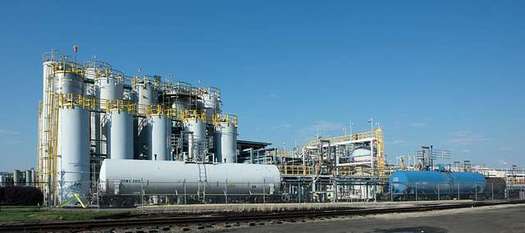
Chemicals held in oil and gas storage tanks include radioactive substances, which experts say are harmful to human health. (Adobe Stock)
With memories of the 2014 Elk River chemical spill still fresh, West Virginia environmental groups are pushing state lawmakers to oppose bills they say would roll back water protections.
House Bill 2598 would relax regulations in the Aboveground Storage Tank Act, passed in 2014 to beef up protections after the Elk River spill.
Gary Zuckett, executive director for the West Virginia Citizens Action Group, in a virtual public hearing about the bills, said the spill contaminated water for more than 300,000 West Virginians.
Zuckett contended the bill would reduce much-needed inspections that prevent toxic fracking fluids from leaking into tap-water intakes.
“This bill is taking us backwards,” Zuckett argued. “It seeks to ease the burden on the oil and gas industry, an industry that has extracted millions and billions of dollars of wealth from West Virginia.”
The bill’s sponsor, Del. John Kelly, R-Wood County, said oil and gas tanks need to be inspected, but not as strictly as the current Storage Tank Act calls for.
He claimed the tanks also contain the easiest chemicals to clean up if there’s a future spill. The bill is in a House committee this week.
Environmental groups say the health impacts of chemical spills should be a priority.
Angie Rosser, executive director for the West Virginia Rivers Coalition, said only small amounts of storage-tank pollutants are safe for human consumption.
She added many chemicals, such as benzene and xylenes, can lead to anemia, nervous-system damage and liver and kidney problems.
If House Bill 2598 passes, Rosser estimated about 1,000 oil and gas waste tanks across 27 counties would become unregulated.
“So why is this bill so dangerous?” Rosser asked. “One, because these tanks are sitting closest to our drinking-water intakes. Number two, they contain, we know, a mixture of very toxic chemicals that are harmful to human health. And three, if these tanks are exempt, there is essentially no oversight and leaves our drinking water at risk.”
The second water-related bill, House Bill 2389, would allow the West Virginia Department of Environmental Protection to ease groundwater quality standards.
The House Judiciary Committee holds a public hearing on it today at 3:00 p.m.
Related Articles
Latest News
More Stories

‘First Line of Defense’
During Hurricane Helene and its aftermath, rural fire departments and other first responder hubs played critical roles in keeping their communities safe, even without power and cut off from outside support for days or weeks after the storm. Two years later, plenty of work remains to ensure these hubs have the resources they need to operate day to day and be ready when emergencies or natural disasters strike.

The Rocky Road — and Bridge — to Recovery
Hurricane Helene is estimated to have damaged nearly 7,000 private roads and bridges in Western North Carolina. Two years later, many restoration projects are complete, but the journey hasn’t been easy — and isn’t over for others.
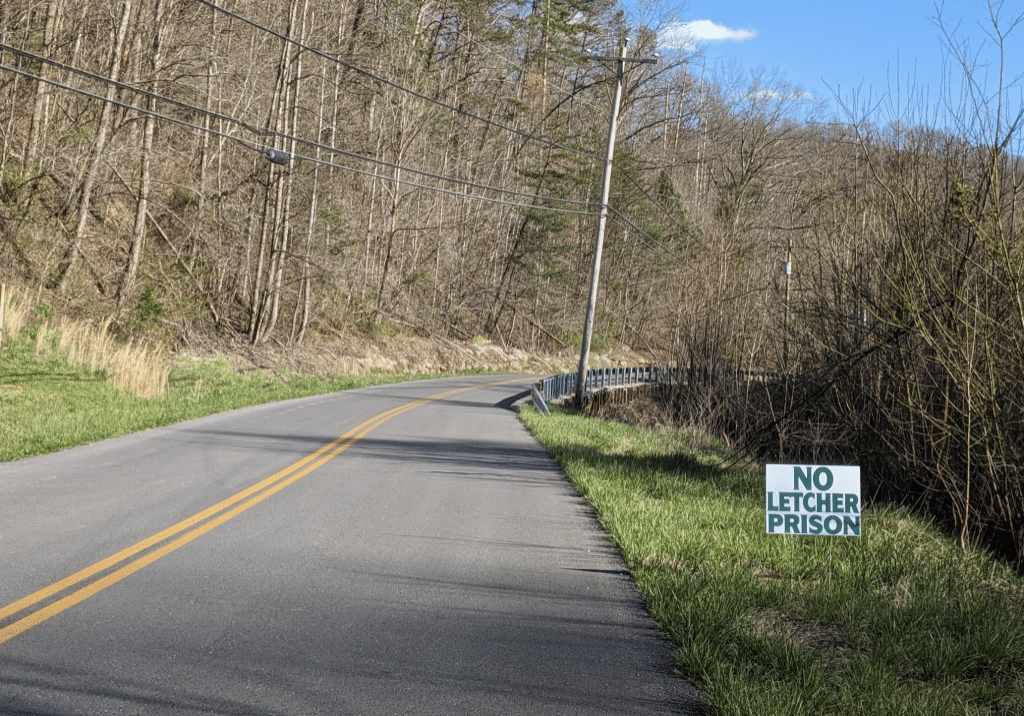
After 20 Years, Letcher County Prison Proposal Is Still Alive, Though Obstacles Remain
A $605 million proposal for a federal prison on a former strip mine site in Letcher County, Kentucky, championed by U.S. Rep. Hal Rogers, refuses to die, despite local opposition, a lack of support from the executive branch and numerous other obstacles.
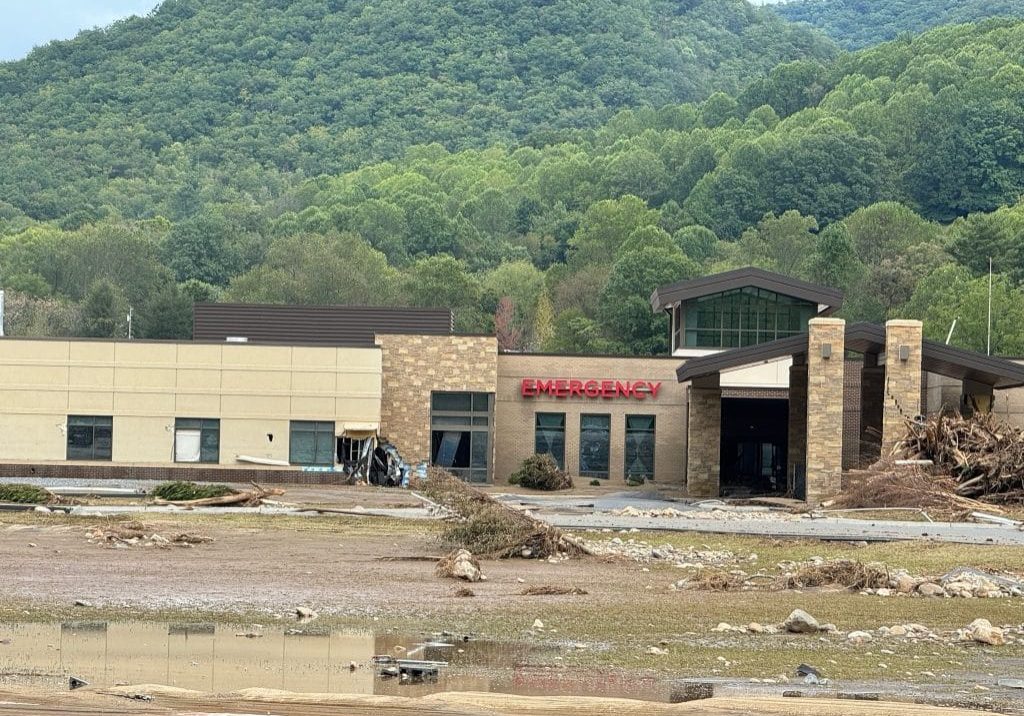
The Washout and Rebuild
For nearly two years, residents of Unicoi County, Tennessee, have had to make do without a hospital after Hurricane Helene destroyed the rural hospital. Ballad Health, which owns the hospital, broke ground on a new location — in another floodplain — in August 2026.

The Shenandoah Salamander
The Shenandoah salamander is a woodland salamander, which has adapted to life at higher elevations away from water. This sparkling rarity lives among the dry leaves, cracked logs, and stony hillocks on the highest peaks of Shenandoah National Park.
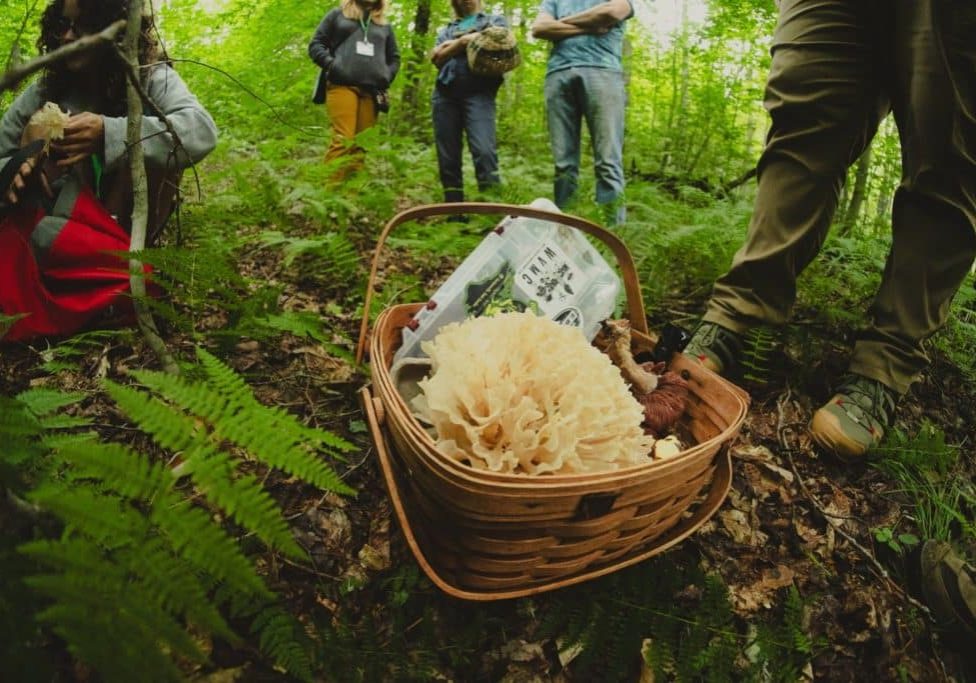
‘Foraging Is a Way of Connecting’
Foraging has experienced a modern resurgence, partly because of social media, online groups, the pandemic and people wanting to connect with nature. It also builds community, whether in person or online.

Leave a comment
Your email address will not be published. Required fields are marked *
Leave a Comment