

By Hannah Gillespie
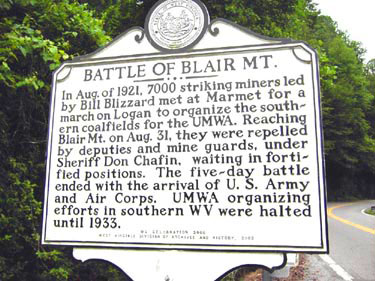
A historic marker tells passerbys the story of the Battle for Blair Mountain.
On June 29, the site of the Blair Mountain labor conflict in southern West Virginia was placed back on the National Register of Historic Places after years of legal action led by environmental and historic preservation advocates.
The 1,600-acre battlefield was originally listed on the register in 2009, but was delisted nine months later due to successful lobbying efforts from Alpha Natural Resources and Arch Coal. In 2016, a federal judge declared the removal to be unlawful.
Combined, the two coal companies hold three mountaintop removal coal mining permits that overlap the battlefield. “The listing decision imposes significant restrictions on the ability of permittees to mine within the listed area, and may prevent any mining altogether,” states Sierra Club Senior Attorney Peter Morgan.
“This victory is the culmination of a 12-year saga that took many legal twists and turns along the way in our efforts to save this part of West Virginia’s history,” Regina Hendrix, volunteer at the West Virginia Chapter of the Sierra Club, said in a statement. “Sustaining legal and activist action over such a long period requires unconditional commitment from fellow West Virginians, in particular Kenny King and Wilma and Terry Steele along with other coalition members.”
In 1921, more than 10,000 coal miners marched for the right to unionize the southern coalfields. On August 31, 1921, they were met by 2,000 armed deputies and mine guards at Blair Mountain. The battle lasted for five days and ended with the arrival of the U.S. Army and Air Corps. Dozens of people were killed. This remains the largest organized armed uprising in the United States since the Civil War.
Related Articles
Latest News
More Stories

Signs of Life
In the Nantahala National Forest, a team of biologists spotted Indiana bats, an endangered species that hasn’t been seen in North Carolina for the last 11 years.

‘First Line of Defense’
During Hurricane Helene and its aftermath, rural fire departments and other first responder hubs played critical roles in keeping their communities safe, even without power and cut off from outside support for days or weeks after the storm. Two years later, plenty of work remains to ensure these hubs have the resources they need to operate day to day and be ready when emergencies or natural disasters strike.

The Rocky Road — and Bridge — to Recovery
Hurricane Helene is estimated to have damaged nearly 7,000 private roads and bridges in Western North Carolina. Two years later, many restoration projects are complete, but the journey hasn’t been easy — and isn’t over for others.
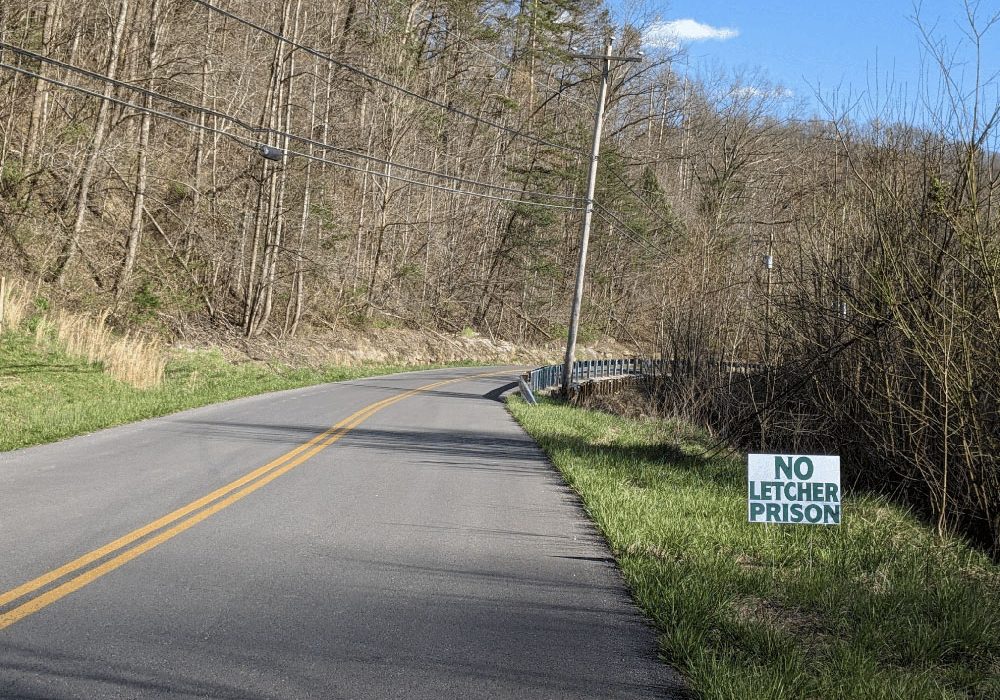
After 20 Years, Letcher County Prison Proposal Is Still Alive, Though Obstacles Remain
A $605 million proposal for a federal prison on a former strip mine site in Letcher County, Kentucky, championed by U.S. Rep. Hal Rogers, refuses to die, despite local opposition, a lack of support from the executive branch and numerous other obstacles.
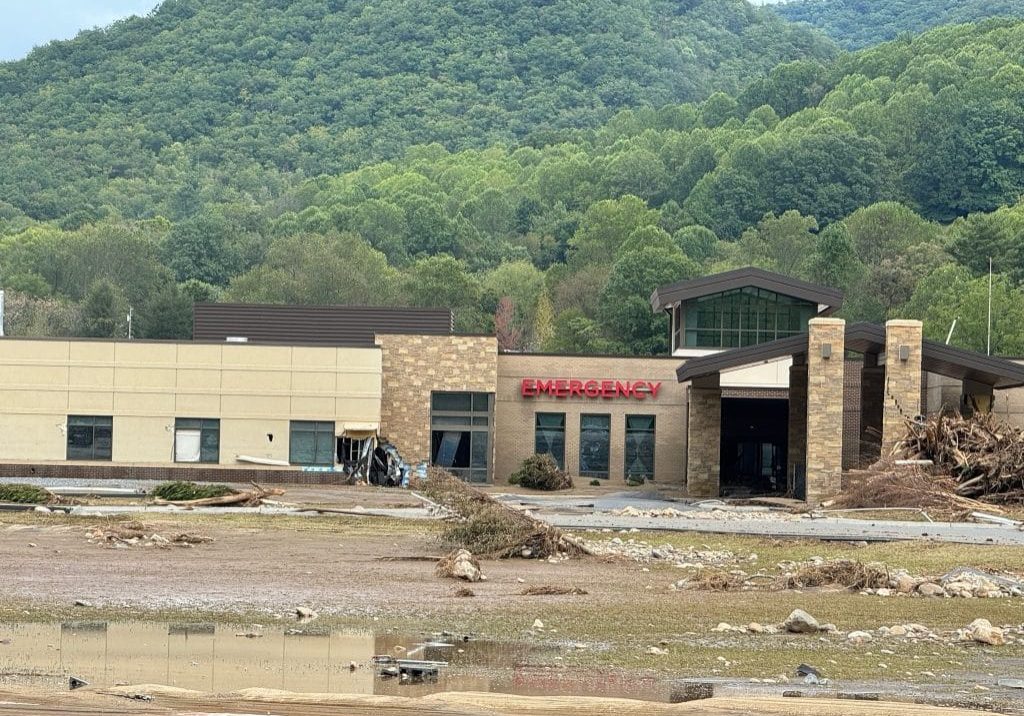
The Washout and Rebuild
For nearly two years, residents of Unicoi County, Tennessee, have had to make do without a hospital after Hurricane Helene destroyed the rural hospital. Ballad Health, which owns the hospital, broke ground on a new location — in another floodplain — in August 2026.

The Shenandoah Salamander
The Shenandoah salamander is a woodland salamander, which has adapted to life at higher elevations away from water. This sparkling rarity lives among the dry leaves, cracked logs, and stony hillocks on the highest peaks of Shenandoah National Park.

Leave a comment
Your email address will not be published. Required fields are marked *
Leave a Comment