

Innovating with Electric Cooperatives
By Sarah Kellogg
An inspiring, forward-thinking businessman, Mike Couick works to distribute affordable electricity to rural homes. “I don’t believe it’s a sustainable business plan to try to sell electricity that a member can’t afford,” Couick says. “The bottom line is their satisfaction and well-being.”

Mike Couick, right, pauses with a WWII veteran during an event sponsored by the electric cooperatives. Photo by Luis Gomez
Couick is the CEO of the Electric Cooperatives of South Carolina, an association of member-owned, nonprofit electric providers that created Help My House, an energy efficiency loan program in 2011 with the help of the Doris Duke Foundation.
According to Couick, “In some winter months, many co-op members were spending 60 to 80 percent of their disposable income on gas and electricity, not leaving much for food, clothing, or medicine.” The pilot program provided 125 low-income homes with loans for energy efficiency retrofits, and members used the savings on their electric bills to pay back the loans. Help My House, Couick says, “had amazing results,” reducing average home electricity use by 34 percent and providing participants with an average annual savings of more than $1,100.
Additionally, 96 percent of Help My House participants were as satisfied or more satisfied with their electric cooperative after the program. “I feel like I see dividends every day with these homes that we’ve [helped],” says Couick. “The excitement is phenomenal. That’s why I work for a not-for-profit utility company.”
The energy efficiency achieved through the Help My House program also cut carbon emissions and reduced the need to build a new power plant. Though the pilot is over, many South Carolina cooperatives are now starting their own energy efficiency loan programs and ECSC continues to share the success of Help My House with policymakers throughout the Southeast.
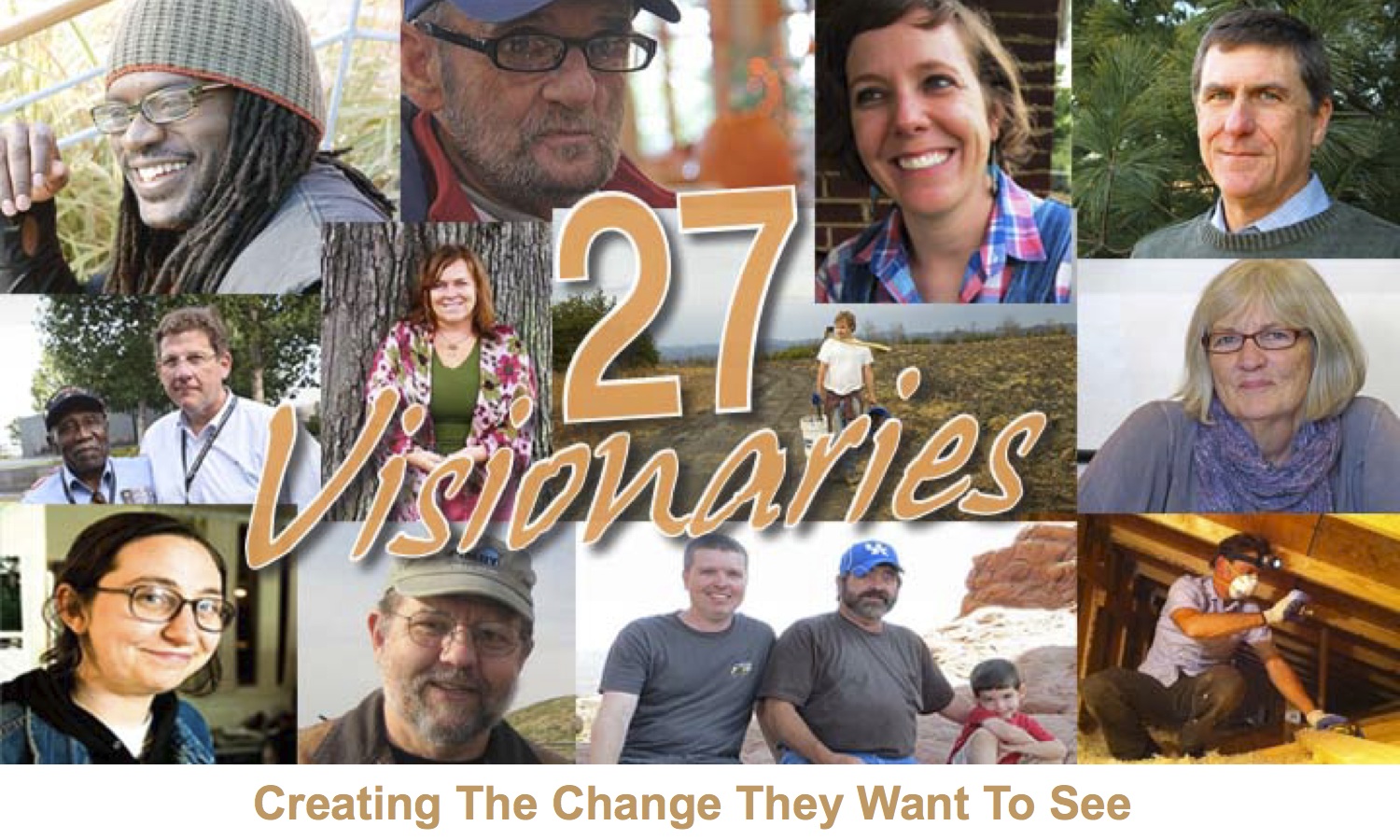
27 Visionaries
READ THEIR STORIES
Looking forward, Couick’s organization is beginning a new solar program that allows interested members to purchase solar power at a slightly increased rate. “Currently, it’s tough for solar to make its mark on a true cost-effective basis, but it will get there soon,” he says. “We’re using this as a pilot opportunity on how to market solar.”
Couick believes that in the years to come, electric cooperatives will need to think creatively about how to reduce the environmental impact of energy generation while continuing to provide affordable energy to their members. “We believe there’s a decision to be found but you have to be willing to put all your conventional expectations to the side and search for truth.”
Related Articles
Latest News
More Stories

Halloween Approaches, and Night School Is in Session
The House of Art in Bluefield, West Virginia, looks like a haunted tower, making it the perfect location for its sixth annual haunt event: Night School. The Night School will be open every Friday and Saturday night through Oct. 31.
‘The Most Perfect Act of Love’
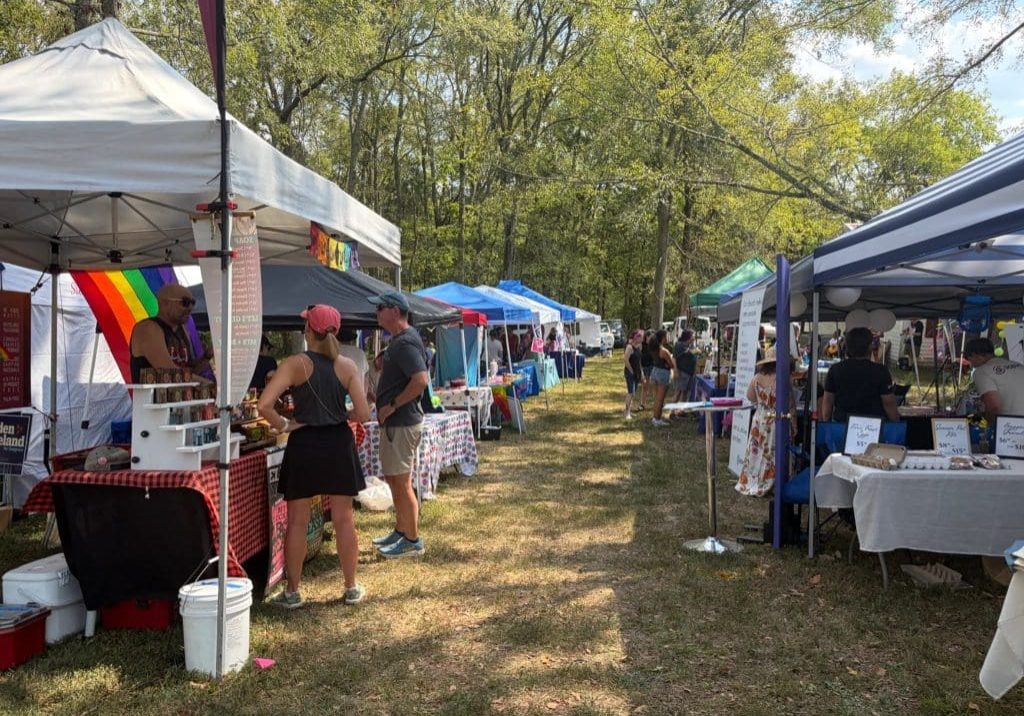
After losing its rural pride celebration, hundreds of people attended the second annual Affirming Sumner Pride celebration on a 24-acre farm dubbed “Fruity Farm” in Bethpage, Sumner County, Tennessee.

Signs of Life
In the Nantahala National Forest, a team of biologists spotted Indiana bats, an endangered species that hasn’t been seen in North Carolina for the last 11 years.

‘First Line of Defense’
During Hurricane Helene and its aftermath, rural fire departments and other first responder hubs played critical roles in keeping their communities safe, even without power and cut off from outside support for days or weeks after the storm. Two years later, plenty of work remains to ensure these hubs have the resources they need to operate day to day and be ready when emergencies or natural disasters strike.

The Rocky Road — and Bridge — to Recovery
Hurricane Helene is estimated to have damaged nearly 7,000 private roads and bridges in Western North Carolina. Two years later, many restoration projects are complete, but the journey hasn’t been easy — and isn’t over for others.
After 20 Years, Letcher County Prison Proposal Is Still Alive, Though Obstacles Remain
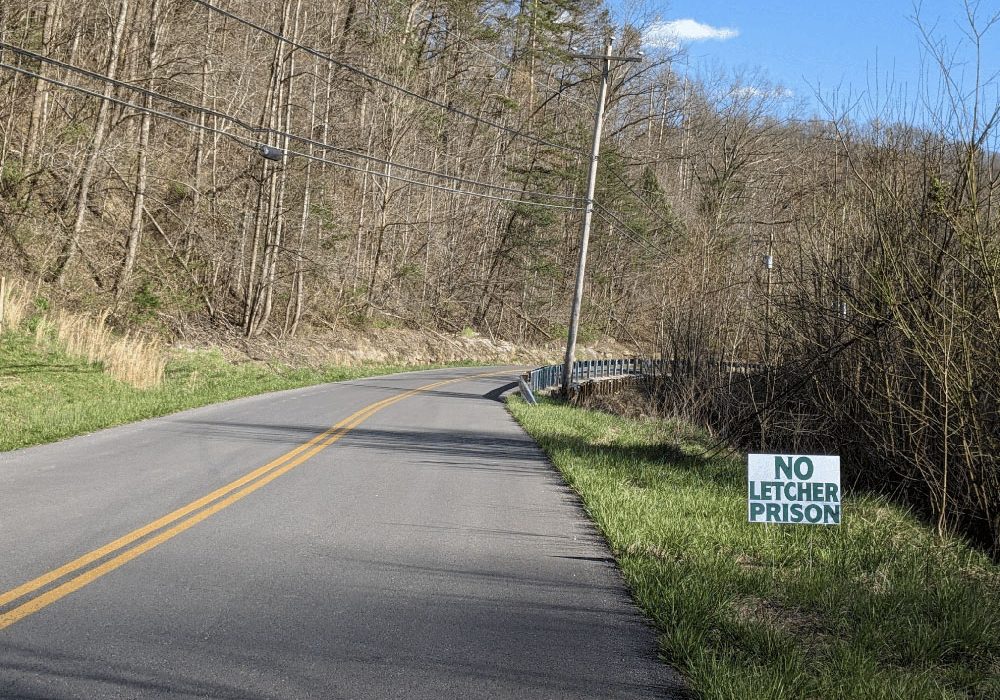
A $605 million proposal for a federal prison on a former strip mine site in Letcher County, Kentucky, championed by U.S. Rep. Hal Rogers, refuses to die, despite local opposition, a lack of support from the executive branch and numerous other obstacles.

Leave a comment
Your email address will not be published. Required fields are marked *
Leave a Comment