

Our finest hours
When the history of the 21st century is written, the most important question will be how – or even whether — we responded to the climate crisis.
As nations gather this fall in Copenhagen to consider a climate treaty, we Americans need to understand what is at stake.
First, it’s now settled that the climate is changing due to human activity. From a pre-industrial level of 280 parts per million of CO2 equivalent in the atmosphere, we are now at 390 ppm, and the rate is accelerating.
Next, we have to ask what might that mean? In the past three years, scientists have been finding that climatic thresholds (or tipping points) are closer than we thought. If the earths temperature warms by more than 2 degrees Celsius, we can expect: that enormous quantities of methane trapped in the arctic tundra will start escaping; that ice will melt, lowering earth’s reflectivity and increasing heat; and that oceans will become more acidic, decreasing their ability to absorb CO2.
Once we go over 2 degrees, which will probably happen at the level of 450 ppm, climate will shift quickly into different rainfall patterns and much higher sea levels.
This alarming information is difficult to absorb. Many Americans naturally question the idea of accelerating climate change. A few others, wrongly, reject the idea outright for reasons that have nothing to do with logic or science.
The most important question is whether we will exhibit adaptability and resilience in the face of catastrophe. Will we face tremendous odds bravely, with humility and humanity? Will we fight for the survival of civilization? Or will we numbly go down into the darkness, locked within gated communities and clawing for resources?
We must:
- • Educate ourselves about the science of climate change, and not let the real peril be masked. The US Global Change Research Program (www.globalchange.gov) is a good place to start. Science teachers will also appreciate Real Climate ( www.realclimate.org ).
- • Begin phasing out fossil fuels, starting with mountaintop removal coal, and rapidly phase in renewable energy resources.
- • Learn from leaders in the use of new energy technologies. For instance, Denmark builds the worlds best windmills and Germany is taking the lead in photovoltaic production. Europe is accelerating the renewable energy economy. We must not be left behind.
- • Involve young people in developing conservation strategies and alternative non-fossil energy technologies. Encourage careers in environmental science, renewable electrical and civil engineering, and green business. We need to make massive investments in educating a workforce that can win this fight.
- • Insist on appropriate political leadership from all sides of the political spectrum. These leaders will need to support an international climate treaty this December.
In another dark time, British prime minister Winston Churchill once asked the impossible of his small population:
“Let us … brace ourselves to our duties, and so bear ourselves, that … (in) a thousand years, men will still say, ‘This was their finest hour.’”
The climate crisis is so deep, and so important to our future, that if we approach it without wisdom, people won’t have much to say in a thousand years.
However, with determination, and God’s help, we might hope that these will be OUR finest hours.
Related Articles
Latest News
More Stories

Halloween Approaches, and Night School Is in Session
The House of Art in Bluefield, West Virginia, looks like a haunted tower, making it the perfect location for its sixth annual haunt event: Night School. The Night School will be open every Friday and Saturday night through Oct. 31.
‘The Most Perfect Act of Love’
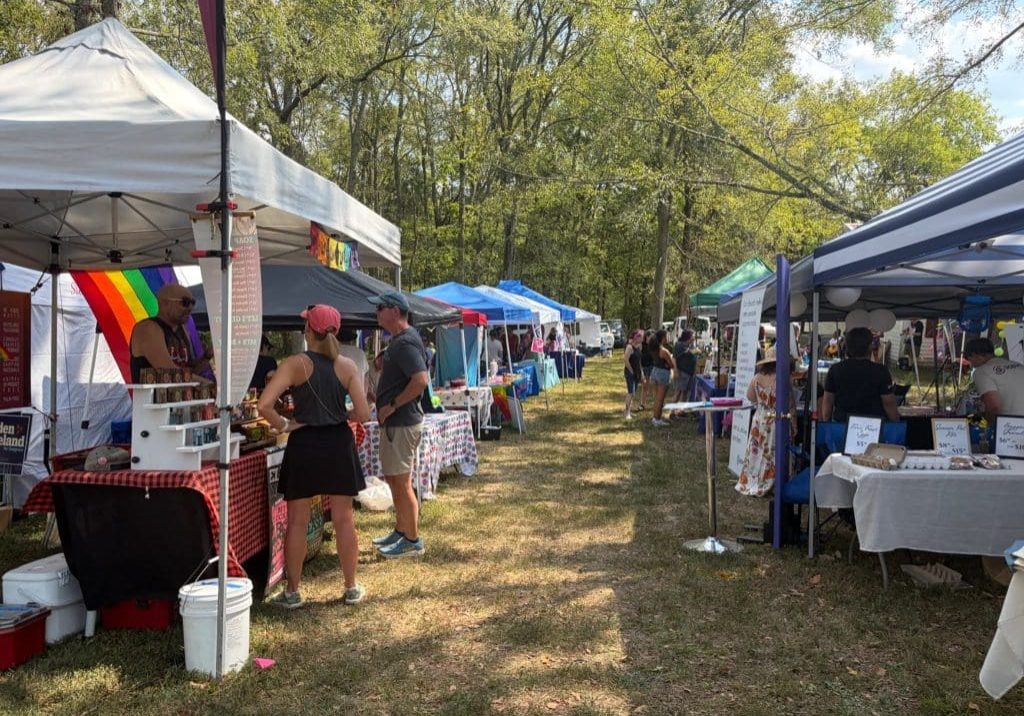
After losing its rural pride celebration, hundreds of people attended the second annual Affirming Sumner Pride celebration on a 24-acre farm dubbed “Fruity Farm” in Bethpage, Sumner County, Tennessee.

Signs of Life
In the Nantahala National Forest, a team of biologists spotted Indiana bats, an endangered species that hasn’t been seen in North Carolina for the last 11 years.

‘First Line of Defense’
During Hurricane Helene and its aftermath, rural fire departments and other first responder hubs played critical roles in keeping their communities safe, even without power and cut off from outside support for days or weeks after the storm. Two years later, plenty of work remains to ensure these hubs have the resources they need to operate day to day and be ready when emergencies or natural disasters strike.

The Rocky Road — and Bridge — to Recovery
Hurricane Helene is estimated to have damaged nearly 7,000 private roads and bridges in Western North Carolina. Two years later, many restoration projects are complete, but the journey hasn’t been easy — and isn’t over for others.
After 20 Years, Letcher County Prison Proposal Is Still Alive, Though Obstacles Remain
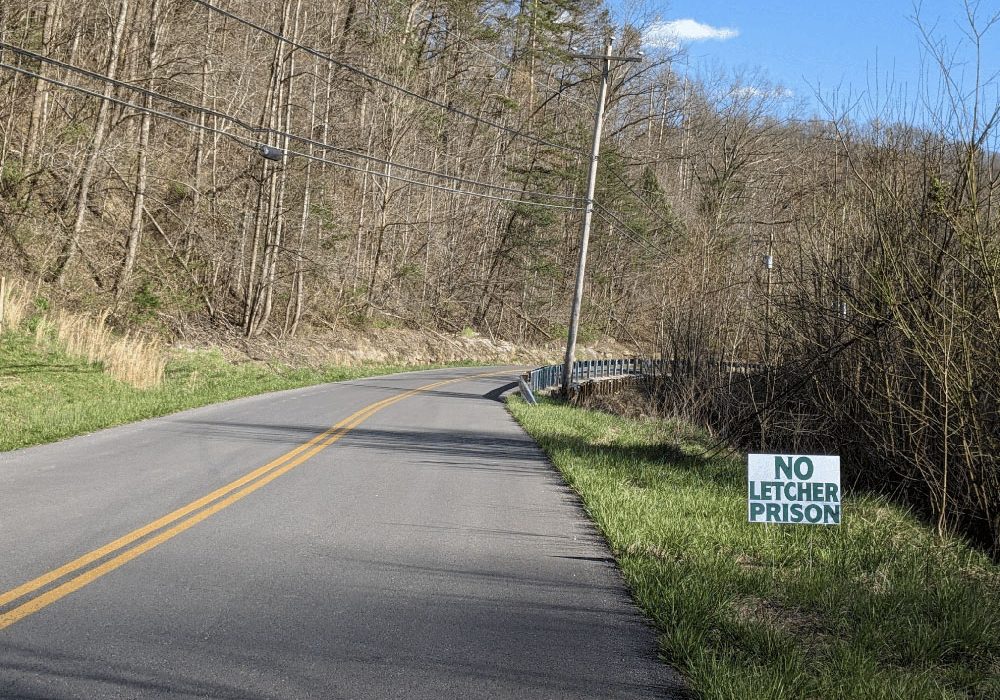
A $605 million proposal for a federal prison on a former strip mine site in Letcher County, Kentucky, championed by U.S. Rep. Hal Rogers, refuses to die, despite local opposition, a lack of support from the executive branch and numerous other obstacles.

Leave a comment
Your email address will not be published. Required fields are marked *
Leave a Comment