

Water Wars: West Virginia Coalfield Residents Sue Over Contaminated Water
Story by Sarah Vig
In Mingo County, W. Va., one of the largest coal-producing counties in the nation, 760 residents are preparing to face off against Big Coal. The group filed a class action suit against Massey Energy and its subsidiary, Rawl Sales & Processing, on claims of personal injury, wrongful death, property damage and nuisance. The hundreds of plaintiffs involved in the suit all suffered in various degrees from water contamination caused by coal slurry leakage from abandoned underground mine sites into the aquifers that supply their well water.
Coal slurry is the substance produced after the coal is “washed” during processing to remove clay, sulfur and other impurities. The slurry contains dissolved heavy metals as well as numerous chemicals. In several Appalachian states, including West Virginia, Alabama and Kentucky, regulators allow coal companies to inject the slurry into abandoned mines for storage, though, according to a March 22 Associated Press article, none of those states track how much slurry is being pumped underground.
Plaintiffs in the case believe that coal slurry leaked from the underground mine site above their homes into their aquifers, contaminating the wells they used for drinking and bathing water and leading to health problems from kidney disease to cancer.
The trial was rescheduled from its original date in mid-February under judge’s orders to allow the parties to mediate and attempt to resolve the situation without taking up the court’s time and resources. Unless a settlement is reached, however, the trial will commence on May 12 in Williamson, W. Va, and is expected to continue three to six months.
Related Articles
Latest News
More Stories
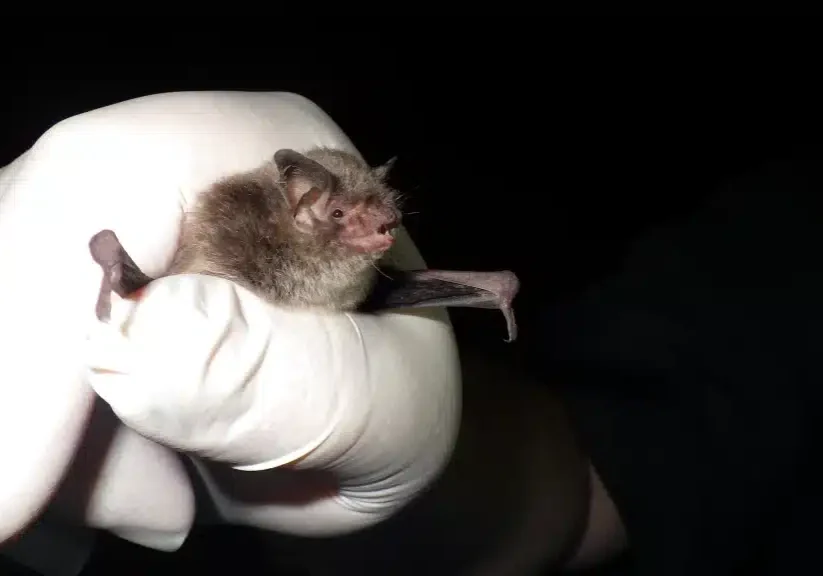
Signs of Life
In the Nantahala National Forest, a team of biologists spotted Indiana bats, an endangered species that hasn’t been seen in North Carolina for the last 11 years.

‘First Line of Defense’
During Hurricane Helene and its aftermath, rural fire departments and other first responder hubs played critical roles in keeping their communities safe, even without power and cut off from outside support for days or weeks after the storm. Two years later, plenty of work remains to ensure these hubs have the resources they need to operate day to day and be ready when emergencies or natural disasters strike.

The Rocky Road — and Bridge — to Recovery
Hurricane Helene is estimated to have damaged nearly 7,000 private roads and bridges in Western North Carolina. Two years later, many restoration projects are complete, but the journey hasn’t been easy — and isn’t over for others.
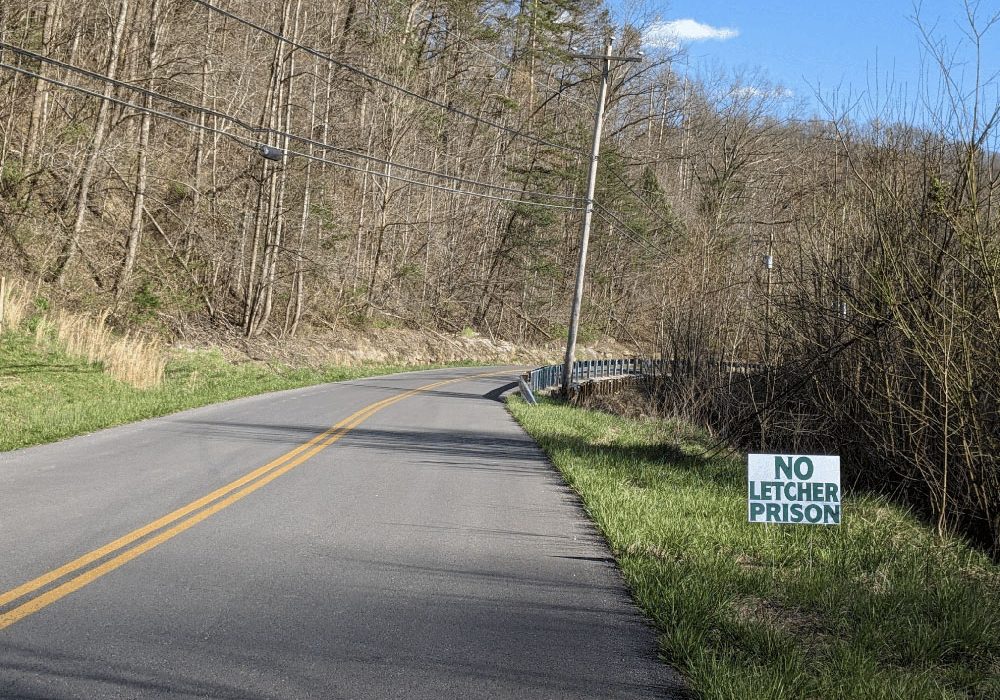
After 20 Years, Letcher County Prison Proposal Is Still Alive, Though Obstacles Remain
A $605 million proposal for a federal prison on a former strip mine site in Letcher County, Kentucky, championed by U.S. Rep. Hal Rogers, refuses to die, despite local opposition, a lack of support from the executive branch and numerous other obstacles.
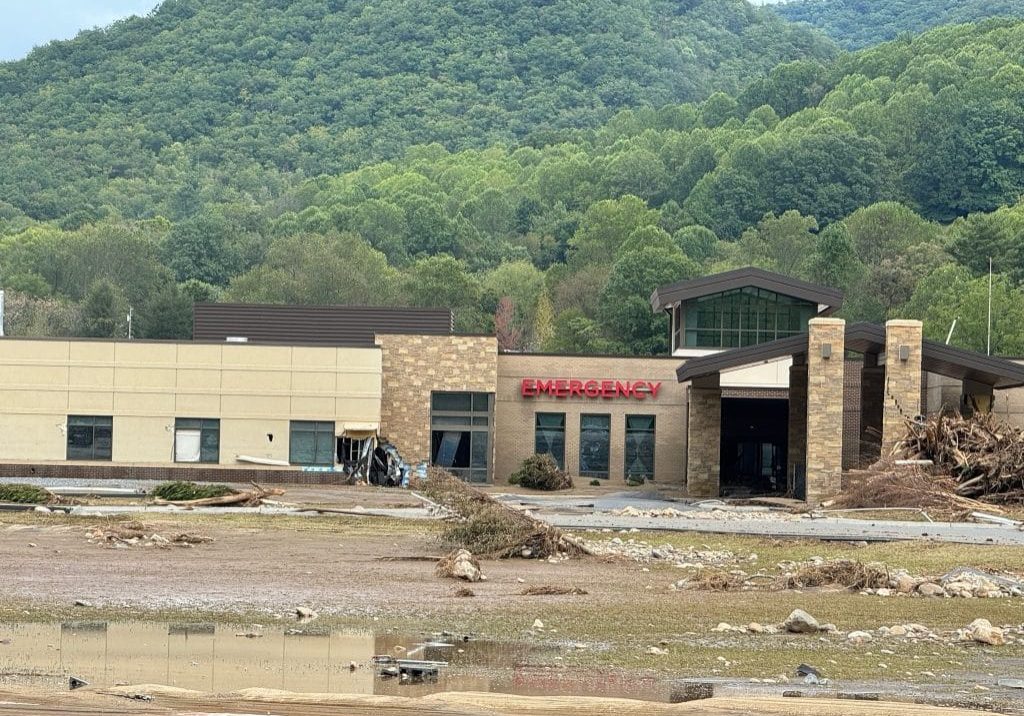
The Washout and Rebuild
For nearly two years, residents of Unicoi County, Tennessee, have had to make do without a hospital after Hurricane Helene destroyed the rural hospital. Ballad Health, which owns the hospital, broke ground on a new location — in another floodplain — in August 2026.
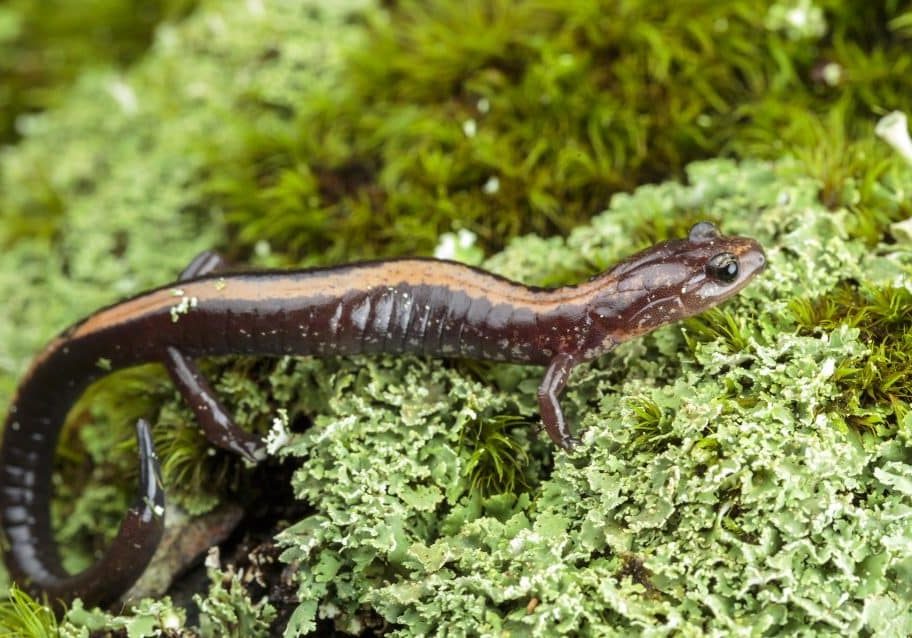
The Shenandoah Salamander
The Shenandoah salamander is a woodland salamander, which has adapted to life at higher elevations away from water. This sparkling rarity lives among the dry leaves, cracked logs, and stony hillocks on the highest peaks of Shenandoah National Park.

Leave a comment
Your email address will not be published. Required fields are marked *
Leave a Comment