

How the Rest of the World Needs to Help Educate the U.S.
By Rev. Pat Watkins
Several years ago, volunteers from a United Methodist Church traveled to a small village in Kenya where they observed that the women of the village were walking, twice a day with buckets on their heads, to a river a mile away to get water for their families. Deciding this village could really use their help, the next year the team returned to dig a well. But upon returning the third year, the team discovered that the women were still making the two mile round trip to the river for water. It turned out these treks were the only times the women of the village could socialize with each other, and that was more valuable than the convenience of a well in the village — which coincidentally was also connected to increased mosquitoes and higher incidences of malaria.
Sometimes we think we know what is best for other people without asking them what they think they need. The church has been guilty of displaying that arrogance. Coal companies in Appalachia have been guilty of displaying such arrogance. They pat themselves on the back for having been such a good source of economic prosperity in the region for so many years, even though the riches tend to leave while coal-bearing regions remain poor. They believe they are “helping” the people of Appalachia but they never bothered to ask the people if they wanted their mountains to disappear and their water to be so contaminated they could no longer drink it. They never asked the people if they wanted lower life expectancies due to the human health risks associated with coal. Thinking that we know what is best for others without engaging them in the conversation is the height of arrogance.
I recently attended an international conference of the United Methodist Church to listen to delegates from other countries talk about environmental issues. I was astonished to discover that United Methodists from all over the world are quite aware of what is happening to the planet; in fact, people in third world countries seemed more cognizant because they often live their lives far more connected to the earth than people in America do. People in third world countries don’t have the luxury of being able to isolate themselves from the earth’s suffering; when the planet suffers, they suffer.
It’s not fair! It’s time for America to shed our arrogance and listen to the voices from all over the world. Rather than seeing ourselves as the “great white hope” with a “calling” to educate and “take care of” the rest of the world, we so desperately need to be educated by those sisters and brothers of other nations! Our problems are global; the solutions have to be global as well. As soon as we see ourselves as part of the same global community and really listen to one another rather than insisting that we have all the answers, we might just surprise ourselves with some true, appropriate solutions to the world’s problems.
Rev. Pat Watkins currently serves as executive director of Caretakers of God’s Creation, a United Methodist creation care ministry. His passion is to raise the awareness of people of faith that there is a connection between faith and a responsibility to care for and heal God’s creation.
Related Articles
Latest News
More Stories
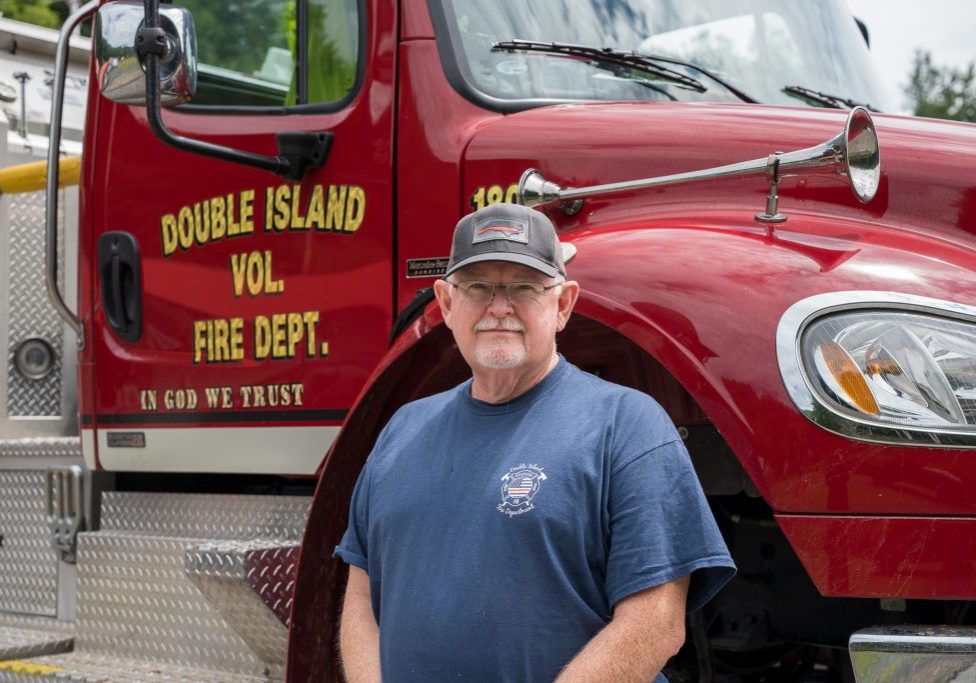
‘First Line of Defense’
During Hurricane Helene and its aftermath, rural fire departments and other first responder hubs played critical roles in keeping their communities safe, even without power and cut off from outside support for days or weeks after the storm. Two years later, plenty of work remains to ensure these hubs have the resources they need to operate day to day and be ready when emergencies or natural disasters strike.
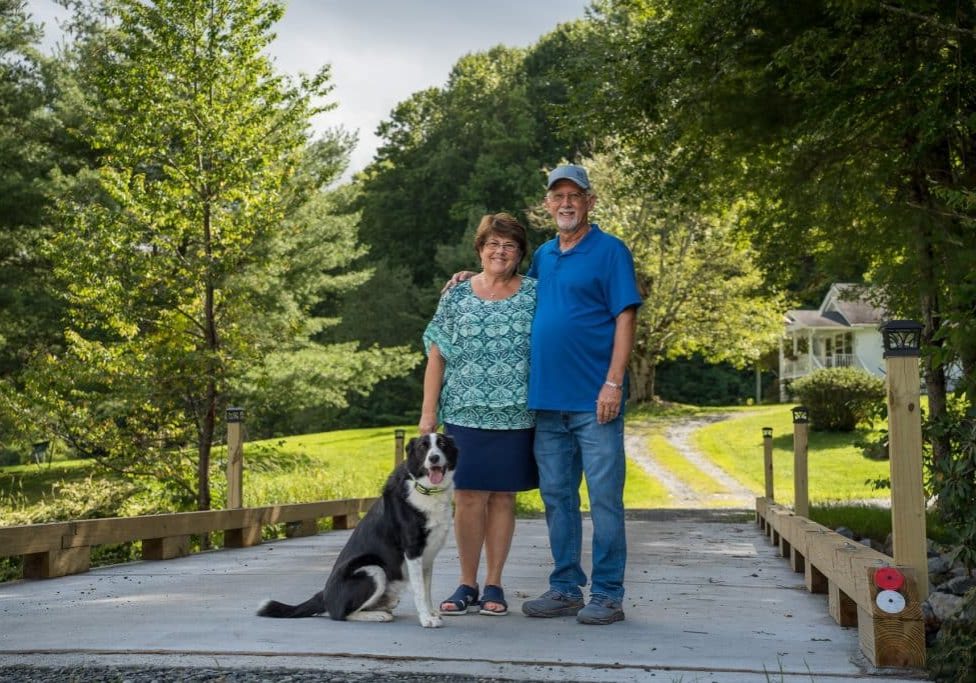
The Rocky Road — and Bridge — to Recovery
Hurricane Helene is estimated to have damaged nearly 7,000 private roads and bridges in Western North Carolina. Two years later, many restoration projects are complete, but the journey hasn’t been easy — and isn’t over for others.
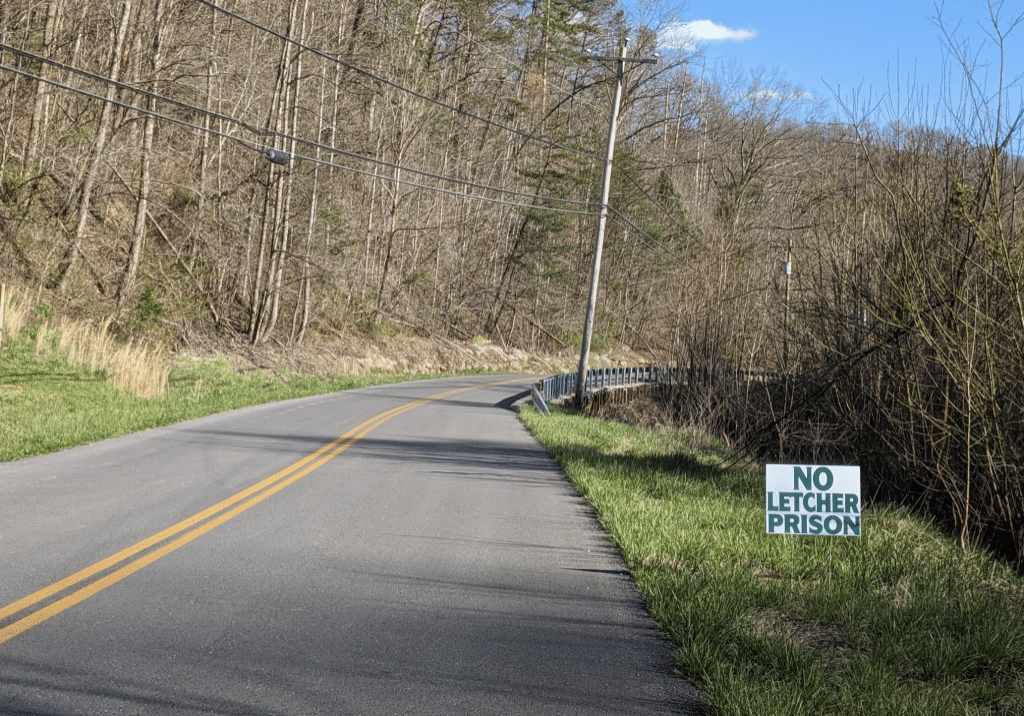
After 20 Years, Letcher County Prison Proposal Is Still Alive, Though Obstacles Remain
A $605 million proposal for a federal prison on a former strip mine site in Letcher County, Kentucky, championed by U.S. Rep. Hal Rogers, refuses to die, despite local opposition, a lack of support from the executive branch and numerous other obstacles.
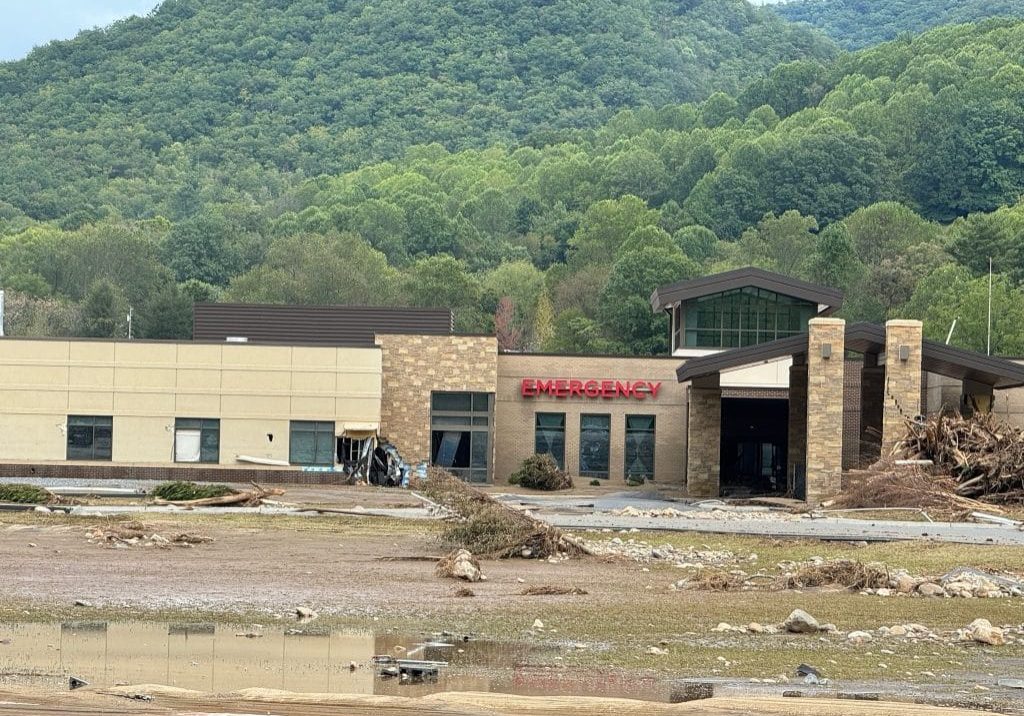
The Washout and Rebuild
For nearly two years, residents of Unicoi County, Tennessee, have had to make do without a hospital after Hurricane Helene destroyed the rural hospital. Ballad Health, which owns the hospital, broke ground on a new location — in another floodplain — in August 2026.
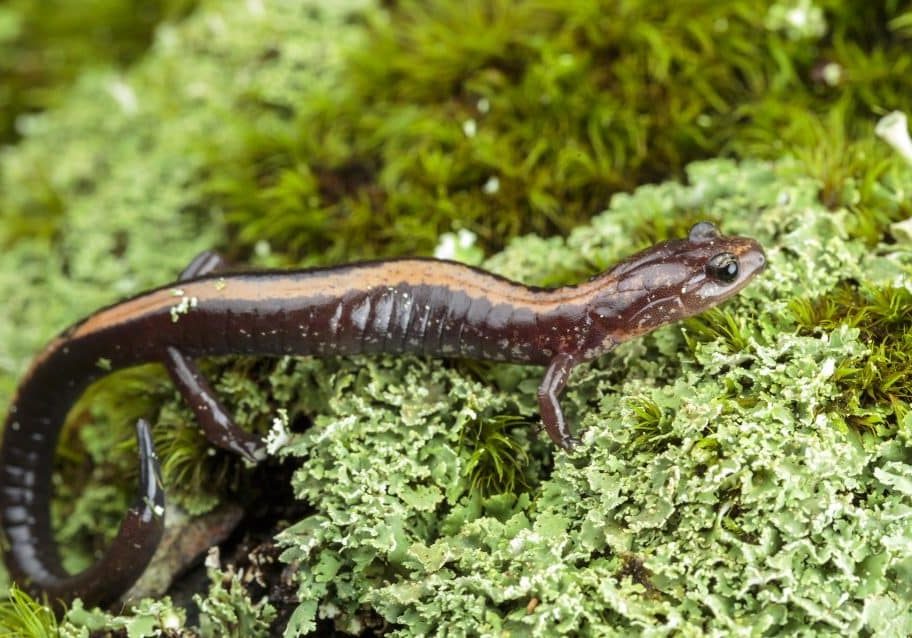
The Shenandoah Salamander
The Shenandoah salamander is a woodland salamander, which has adapted to life at higher elevations away from water. This sparkling rarity lives among the dry leaves, cracked logs, and stony hillocks on the highest peaks of Shenandoah National Park.
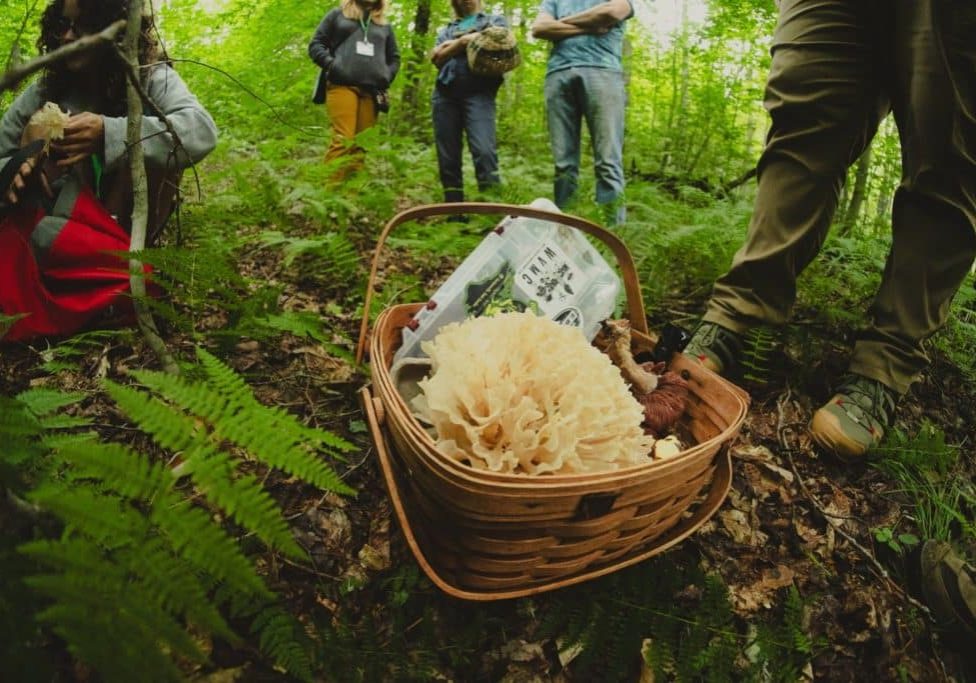
‘Foraging Is a Way of Connecting’
Foraging has experienced a modern resurgence, partly because of social media, online groups, the pandemic and people wanting to connect with nature. It also builds community, whether in person or online.

Leave a comment
Your email address will not be published. Required fields are marked *
Leave a Comment