

Support For Mine Problems in Jeopardy; Groups Challenge South Fork Coal
Citizens’ Ability to Get Help with Mine Problems in Jeopardy
Established in 1977, the federal Ten Day Notice rule allows individuals to ask federal regulators to investigate and intervene when a coal mine is causing an environmental problem that state regulators have failed to adequately address.
The rule was briefly weakened by the first Trump administration and then largely restored by the Biden administration. In 2024, 14 states sued the Office of Surface Mining Reclamation and Enforcement in an effort to gut the rule. Appalachian Voices, the publisher of this newspaper, along with our partners intervened in this case to defend the rule.
After President Donald Trump returned to office, his administration started a process to rewrite the rule yet again in order to make it harder for community members to alert authorities to a problem. The administration also asked the court to pause the ongoing litigation until the rewritten rule is final, and the court will consider that request in August.
“For decades, this rule, in more or less its current form, has helped residents of coal mining communities ensure that their corporate neighbors do not pollute the air and water,” says Appalachian Voices Coal Impacts Program Manager Willie Dodson. “The administration’s rewrite of this rule will do nothing but eliminate protections for everyday people in order to benefit those who profit from destructive, polluting, reckless coal mining practices.”
Groups Challenge South Fork Coal’s Actions in West Virginia
In West Virginia, South Fork Coal Company has been hauling coal through the Monongahela National Forest since 2022, after telling state officials that it would not do so. The company is using Forest Service roads for hauling coal and equipment, which the Forest Service authorized without doing legally required environmental assessments.
The company, which declared bankruptcy in February 2025, has been cited for more than 140 environmental violations since 2019. These violations occurred overwhelmingly in the Cherry River watershed, a habitat for the endangered candy darter fish and a vital headwater of the Gauley River, a cornerstone of the region’s tourism economy.
A federal judge allowed two legal actions to move forward against the company, allowing conservation groups to challenge coal hauling through the Monongahela National Forest. The ruling lifts a bankruptcy-related pause and revives lawsuits and appeals aiming to stop illegal mining operations.
Conservation groups are taking legal action to stop South Fork Coal Company’s environmental harm to the Cherry River and the national forest. The plaintiffs are the publisher of this newspaper, Appalachian Voices, as well as West Virginia Highlands Conservancy, Allegheny-Blue Ridge Alliance and others, represented by Appalachian Mountain Advocates and the Center for Biological Diversity.
Related Articles
Latest News
More Stories

‘First Line of Defense’
During Hurricane Helene and its aftermath, rural fire departments and other first responder hubs played critical roles in keeping their communities safe, even without power and cut off from outside support for days or weeks after the storm. Two years later, plenty of work remains to ensure these hubs have the resources they need to operate day to day and be ready when emergencies or natural disasters strike.

The Rocky Road — and Bridge — to Recovery
Hurricane Helene is estimated to have damaged nearly 7,000 private roads and bridges in Western North Carolina. Two years later, many restoration projects are complete, but the journey hasn’t been easy — and isn’t over for others.
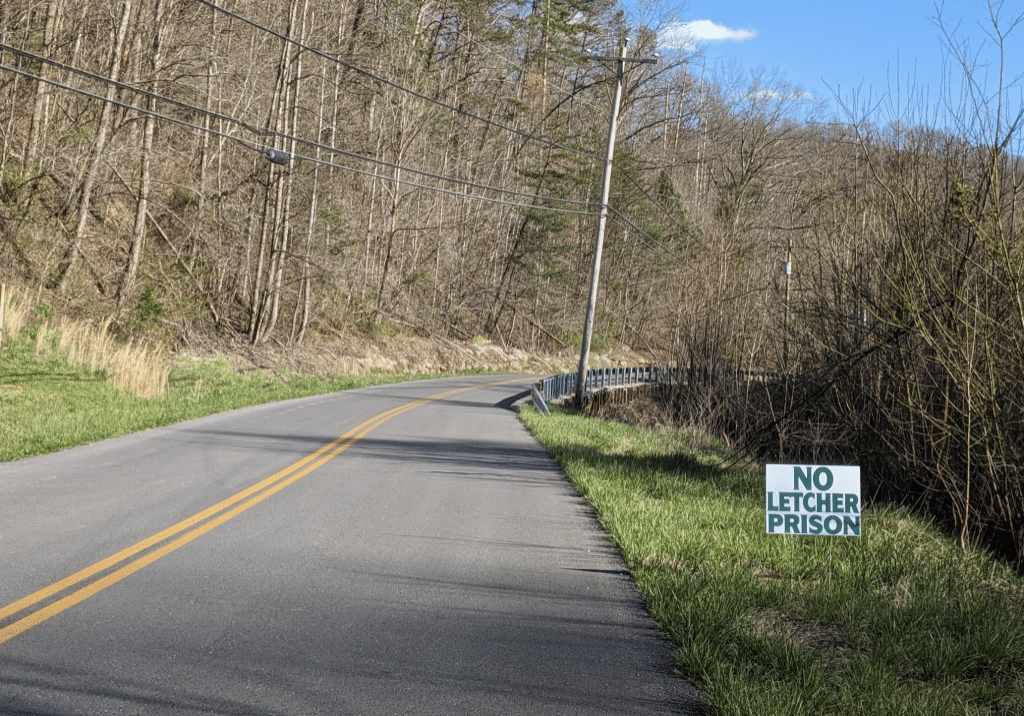
After 20 Years, Letcher County Prison Proposal Is Still Alive, Though Obstacles Remain
A $605 million proposal for a federal prison on a former strip mine site in Letcher County, Kentucky, championed by U.S. Rep. Hal Rogers, refuses to die, despite local opposition, a lack of support from the executive branch and numerous other obstacles.
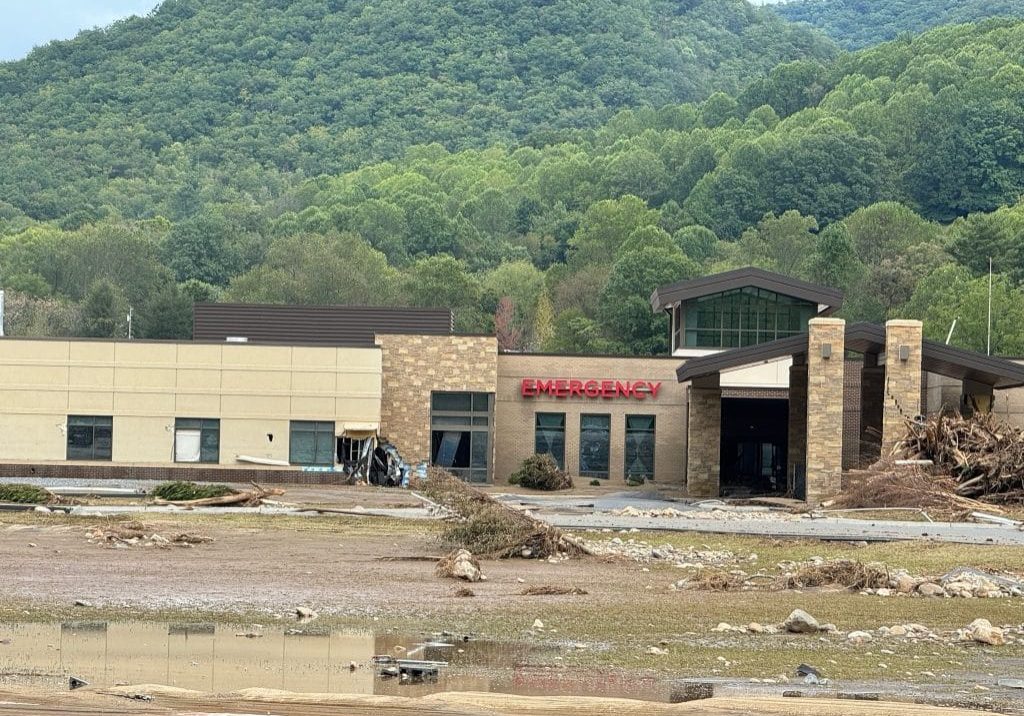
The Washout and Rebuild
For nearly two years, residents of Unicoi County, Tennessee, have had to make do without a hospital after Hurricane Helene destroyed the rural hospital. Ballad Health, which owns the hospital, broke ground on a new location — in another floodplain — in August 2026.
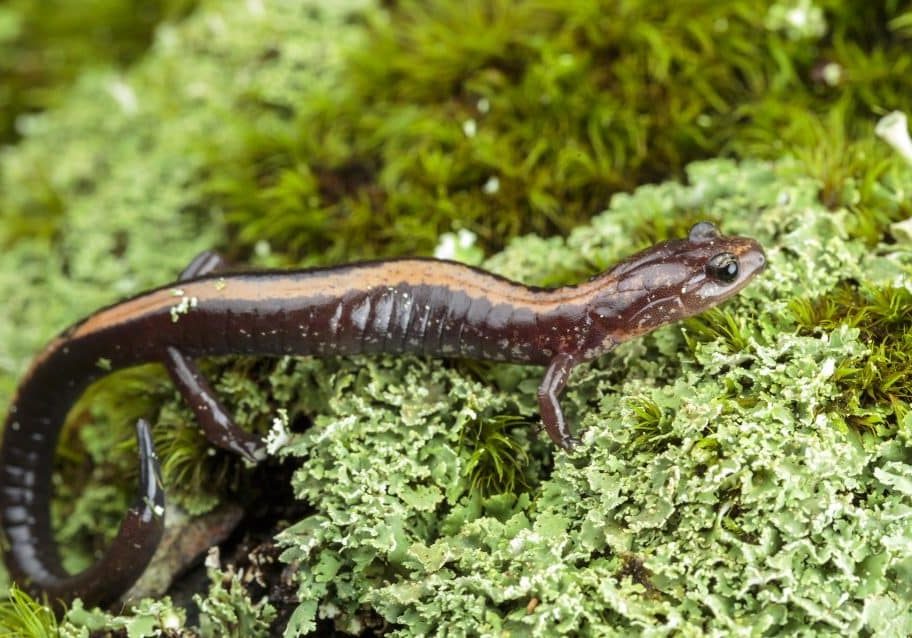
The Shenandoah Salamander
The Shenandoah salamander is a woodland salamander, which has adapted to life at higher elevations away from water. This sparkling rarity lives among the dry leaves, cracked logs, and stony hillocks on the highest peaks of Shenandoah National Park.
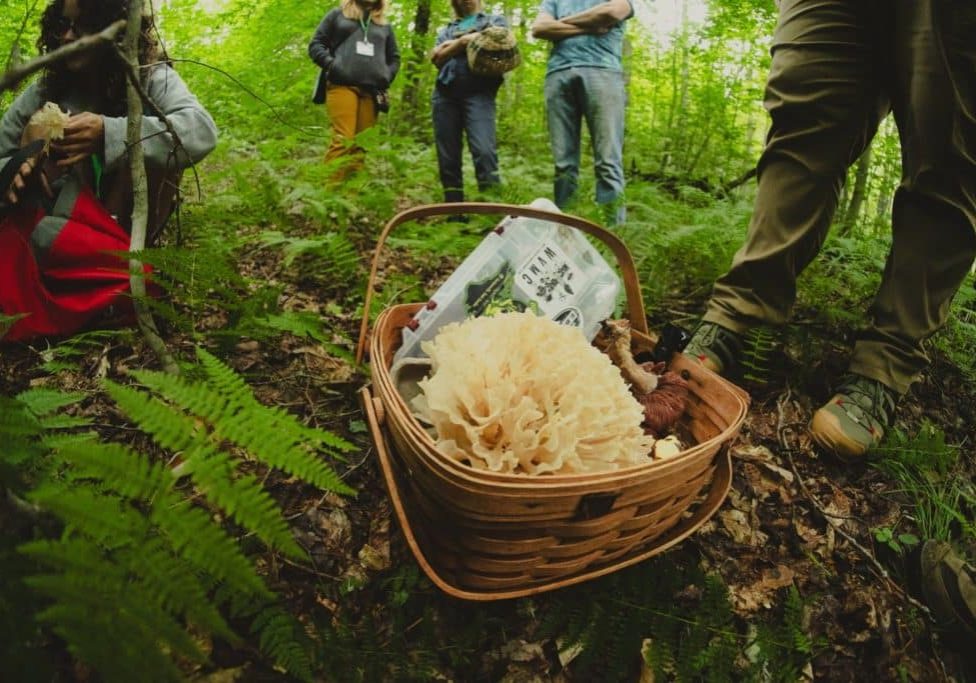
‘Foraging Is a Way of Connecting’
Foraging has experienced a modern resurgence, partly because of social media, online groups, the pandemic and people wanting to connect with nature. It also builds community, whether in person or online.

Leave a comment
Your email address will not be published. Required fields are marked *
Leave a Comment