
Facing a Funding Fight
The president shared his budget priorities. Now Congress decides.
By Appalachian Voices staff
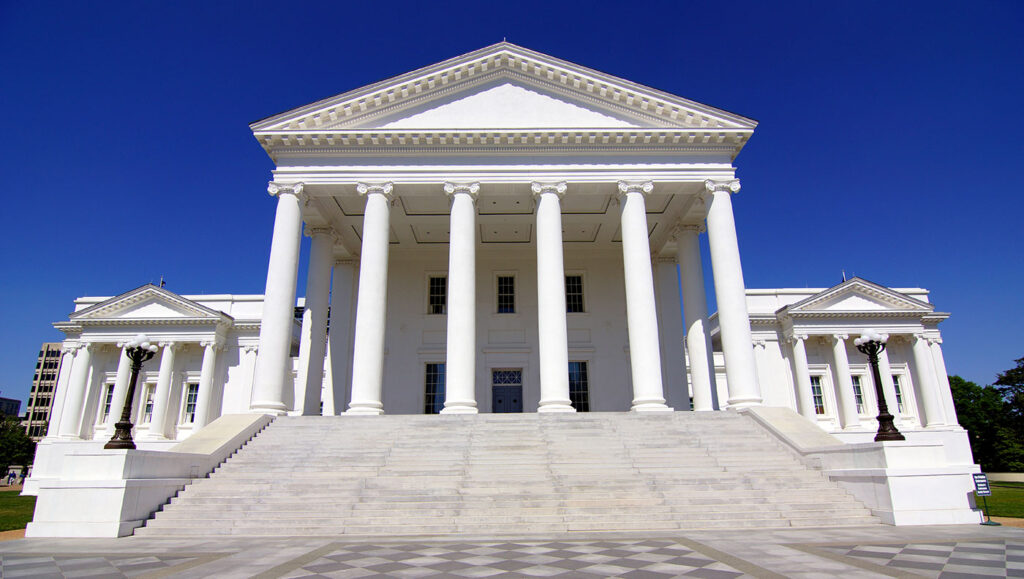
Under the U.S. Constitution, Congress is the branch of government that writes laws and decides how to spend money, and the president is responsible for spending money in accordance with those laws. Presidents share their spending priorities with Congress and the public in the form of a proposed budget. Then, it’s up to Congress to decide whether or how to act on the president’s requests and the requests of their constituents (that includes readers like you).
In May, President Donald Trump issued his annual funding proposal, requesting a $557.4 billion budget for non-defense items and $892.6 billion for defense. This excludes separate, mandatory funds included in the “One Big Beautiful Bill” that he signed July 4. At press time in July, Congress was developing government spending bills known as appropriations, which may or may not reflect the president’s wish list.
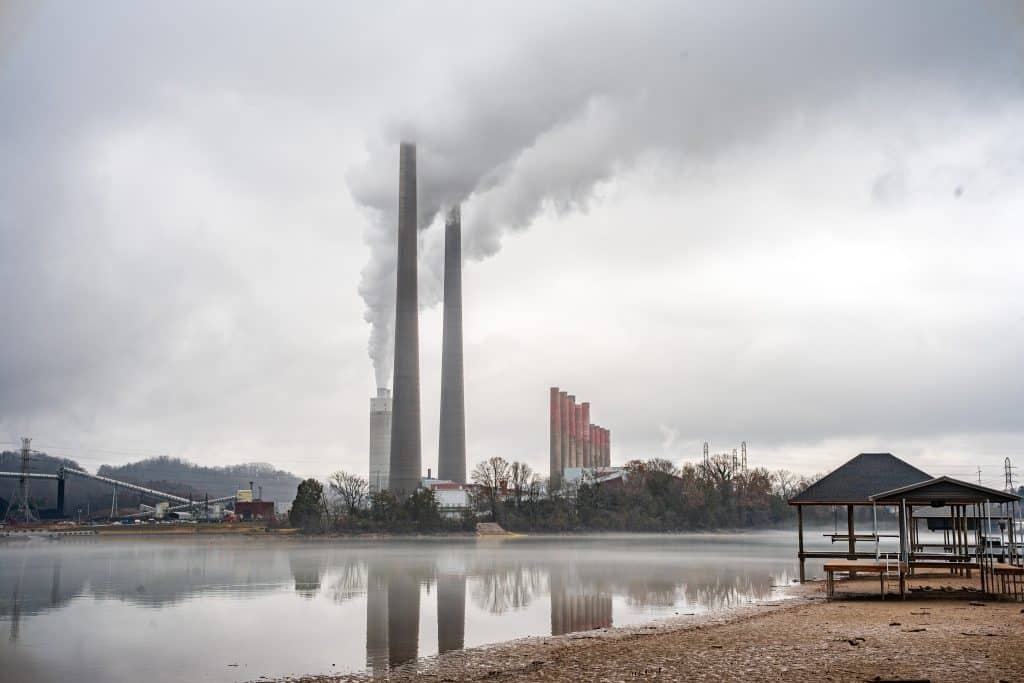
Below, we take a look at some of Trump’s proposals for Fiscal Year 2026 that have a disproportionate impact on the air, land, water and local economies of Appalachia. Find more proposals online, and read about funding related to miner safety and preventing black lung and AmeriCorps in separate articles.
Key
X = President Trump proposes eliminating this agency or program
*Fiscal Year 2025: Oct. 1, 2024-Sept. 30, 2025 | Fiscal Year 2026: Oct. 1, 2025-Sept. 30, 2026
Appalachian Regional Commission
2025* appropriation: $200 million
Trump’s 2026* request: $14 million
What it does: The Appalachian Regional Commission promotes economic development in partnership with state governments across 423 counties in 13 Appalachian states. ARC programs address many aspects of life, including infrastructure, workforce development, housing and education. The proposed cut would effectively eliminate ARC’s ability to award critical grants.
X Department of Energy Office of Clean Energy Demonstrations
2025 appropriation: $50 million
Trump’s 2026 request: $0, eliminating the office and cancelling $3.7 billion in previously allocated funding.
What it does: OCED’s mission is to work with the private sector to test new energy technologies at a usable scale and accelerate their deployment and market adoption, including projects in rural or remote areas and on current and former mine land.
X Economic Development Administration
2025 appropriation: $68 million
Trump’s FY 2026 request: $30 million for administering already-awarded grants as the agency closes.
What it does: The EDA provides grants and technical assistance to communities to build the necessary public infrastructure that can lead to private investment, create plans to diversify their local economies, and prepare for and recover from the economic impacts of natural disasters.
Environmental Protection Agency Brownfields Program
2025 appropriation: $25.7 million
Trump’s 2026 request: $12.8 million
What it does: “Brownfields” are sites where hazardous substances or pollution prevents the reuse or redevelopment of that site — like in the case of abandoned former industrial sites, gas stations or old buildings with lead paint or asbestos, or places where oil and gas have been stored. This program provides grants to clean up and redevelop those brownfield sites.
EPA Enforcement
2025 appropriations: $375.4 million
Trump’s 2026 request: $191.7 million
What it does: The EPA’s original mission is to protect health and the environment. It is responsible for holding companies accountable for protections such as limits on chemicals that companies can release into the air and water, and pesticides that can be used on our food and sold in stores, and other health protections.
X EPA Wetland Program Development Grants
2025 appropriation: $14.1 million
Trump’s 2026 request: $0
What it does: This program’s goal is to increase the amount and quality of wetlands. Funds support state and tribal governments in developing programs for wetland preservation and management. Wetlands protect human health and safety by absorbing floodwaters, controlling erosion, filtering pollution and improving water quality.
X Low-Income Home Energy Assistance Program
2025 appropriation: $4.1 billion
Trump’s 2026 request: $0, eliminating the program and rescinding $100 million in previously allocated funding
What it does: LIHEAP provides limited financial assistance to low-income people to pay their energy bills. This program helps prevent deaths and illnesses related to hot and cold temperatures and helps protect people who rely on refrigerated medications or health equipment that requires electricity.
National Park Service Operations
2025 appropriation: $2.89 billion
Trump’s 2026 request: $1.99 billion
What it does: 332 million people visited the more than 433 units managed by the NPS in 2024, including monuments, national parks, recreation areas, historic sites and other designations. The park service is charged with protecting and maintaining these natural and cultural sites and facilities for the public.
Office of Surface Mining Reclamation and Enforcement
2025 appropriation: $116 million
Trump’s 2026 request: $101 million
What it does: OSMRE is responsible for ensuring coal mines are operated and cleaned up in accordance with federal law to protect people and the environment. In many areas where states or tribes don’t have their own mining programs, OSMRE reviews mine permit applications and enforces health and safety requirements.
U.S. Department of Agriculture Rural Utilities Service
2025 appropriation: $8 million
Trump’s 2026 request: $0 (the program would continue to operate with $10 million in carry-over funding)
What it does: The Rural Utilities Service provides financing for infrastructure improvements in rural communities, including electric power, telecommunication and broadband, and water and waste treatment.
X U.S. Fish and Wildlife State and Tribal Wildlife Grant Program
2025 appropriation: $72 million
Trump’s 2026 request: $0 (the program would continue to operate with $59 million in fees and other funding sources while closing out the fund for future use)
What it does: This program provides funding to support state and tribal efforts to conserve rare or declining fish and wildlife populations. The program has prevented numerous species from declining to the point that they become eligible for Endangered Species Act protection.
X U.S. Forest Service State, Private, and Tribal Forestry Program
2025 appropriation: $283,500
Trump’s 2026 request: $0 (the program would continue to operate with $969 million in fees and other funding sources while closing out the fund for future use)
What it does: This program provides technical and financial assistance to landowners and resource managers to help sustain forests and grasslands, protect communities from wildfires, understand and manage invasive species, provide educational programs and restore ecosystems after fires.
US Forest Service Staffing
FY 2025 appropriation: $389 million
Trump’s FY 2026 request: $256.7 million
What it does: The Forest Service staff manage 193 million acres of public land, including forests, grasslands, rangelands and aquatic resources. The staff provide technical and financial assistance to state and tribal forestry agencies and conduct research related to land management, plants and animals, such as invasive species and endangered species. They also manage recreation resources.
US Geological Survey Water Resources Mission Area
FY 2025 appropriation: $291 million
Trump’s FY 2026 request: $230 million
What it does: The USGS Water Resources Mission Area works with state and local partners to monitor, assess, research and deliver information on streamflows. It is responsible for deploying and maintaining expensive streamgages that alert communities of rising water levels and can help prevent loss of life during floods.
FEMA Building Resilient Infrastructure Communities Grant Program
FY 2025 appropriation: $256 million
Trump’s FY 2026 request: $50 million
What it does: BRIC provides grants to help local governments prepare for natural disasters by supporting projects that reduce risks to human life and infrastructure while reducing the cost of future disaster recovery.
Related Articles
Latest News


Leave a comment
Your email address will not be published. Required fields are marked *
Leave a Comment