

By Brian Sewell
In Kentucky, Virginia and West Virginia, high-profile legislation related to mine safety laws and coal taxation policies is showing how far Appalachian lawmakers will go in attempts to sustain the ailing industry.
On April 1, West Virginia Gov. Earl Ray Tomblin signed into law legislation that rolls back a requirement that coal companies provide private rescue teams in the event of a mine disaster, a measure enacted following the Sago Mine explosion in 2006 that killed 12.
The bill, which would also relax fines for not immediately reporting major incidents like fires or explosions, was passed before the state Office of Miners’ Health, Safety and Training was able to analyze its potential impact. Nor was the bill’s economic benefit to the industry calculated.
“I don’t know that that created or saved one job,” state Senate Minority Leader Jeff Kessler, a Democrat running for governor who opposed the bill, told the Charleston Gazette-Mail after the Senate vote. “Once again, just because the industry is asking for it, we’re willing to roll over and give it to them.”
The West Virginia Senate passed a bill in March to reduce the state’s coal severance tax from the current rate of 5 percent to 2 percent. Severance tax revenues, which provide critical funds for counties and the state budget, are already in steep decline, contributing to budget cuts and public employee layoffs.
According to the West Virginia Center on Budget & Policy, which opposed the bill, the tax cut would cost the state $159 million and local governments $11.6 million annually while doing little to fight the forces making central Appalachian coal uncompetitive. The bill was shelved by the state House of Delegates.
Both efforts were backed by the West Virginia Coal Association.
In Kentucky, the severance tax pie is shrinking even faster than in West Virginia. Tax revenue in January 2016 was $8.9 million, compared to $20.5 million during the same month in 2011. Multiple bills have been introduced this session to direct a larger portion of the dwindling coal tax revenue to eastern Kentucky counties most affected by coal’s decline. But bickering over how to divide the total $44 million in severance taxes in the state budget has dimmed the prospect for reform.
Kentucky legislators are also at odds on mine safety. In March, the Senate easily passed measures to eliminate state safety inspections of coal mines — leaving the role to federal inspectors — and end mandatory safety training for mine foremen.
Sen. Robin Webb, a former coal miner, was appalled. “I cannot ever have the blood of my brothers and sisters on my hands as a state policymaker, and I cannot support this measure,” she told her colleagues.
The measure is supported by the administration of first-term Gov. Matt Bevin and the Kentucky Coal Association.
In a recurring battle in Virginia, Gov. Terry McAuliffe vetoed House and Senate versions of a bill to extend state tax credits for the coal industry, which he described as “ineffective at creating or protecting economic activity or jobs.”
Between 1988 and 2015, the coal industry claimed more than $160 million under the Virginia credits. Over the same period, coal jobs in the state fell from 11,000 to less than 3,000.
UPDATE: On April 20, an effort to override Gov. McAuliffe’s veto of a bill to extend Virginia’s coal tax credit narrowly failed in the state Senate. The tax credit will expire on Dec. 31.
Related Articles
Latest News
More Stories

‘First Line of Defense’
During Hurricane Helene and its aftermath, rural fire departments and other first responder hubs played critical roles in keeping their communities safe, even without power and cut off from outside support for days or weeks after the storm. Two years later, plenty of work remains to ensure these hubs have the resources they need to operate day to day and be ready when emergencies or natural disasters strike.

The Rocky Road — and Bridge — to Recovery
Hurricane Helene is estimated to have damaged nearly 7,000 private roads and bridges in Western North Carolina. Two years later, many restoration projects are complete, but the journey hasn’t been easy — and isn’t over for others.
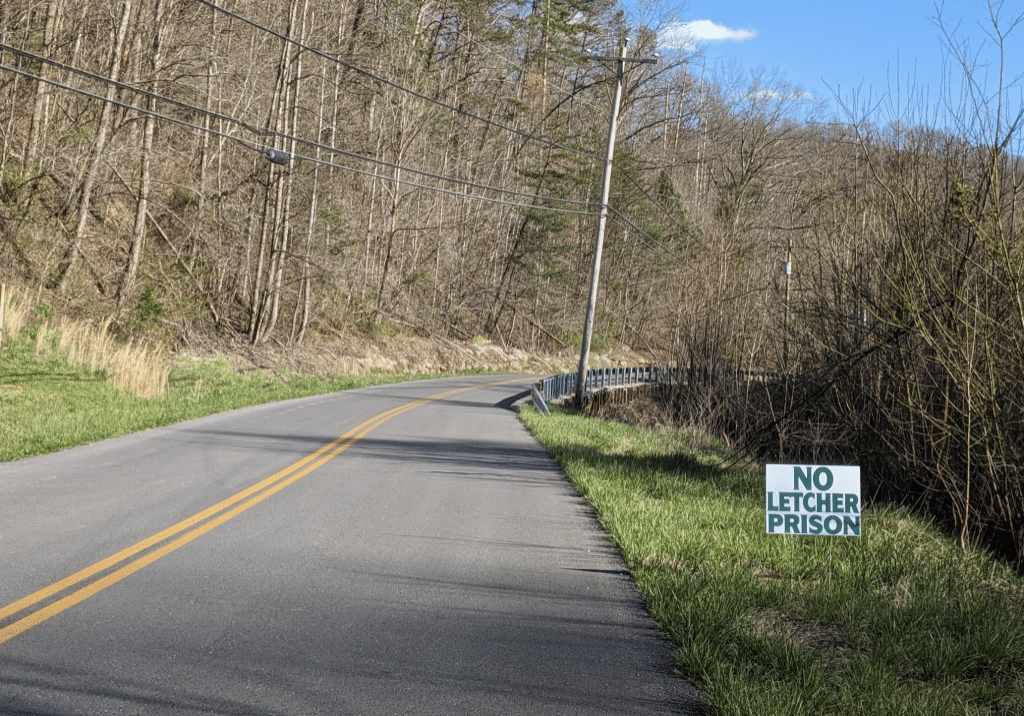
After 20 Years, Letcher County Prison Proposal Is Still Alive, Though Obstacles Remain
A $605 million proposal for a federal prison on a former strip mine site in Letcher County, Kentucky, championed by U.S. Rep. Hal Rogers, refuses to die, despite local opposition, a lack of support from the executive branch and numerous other obstacles.
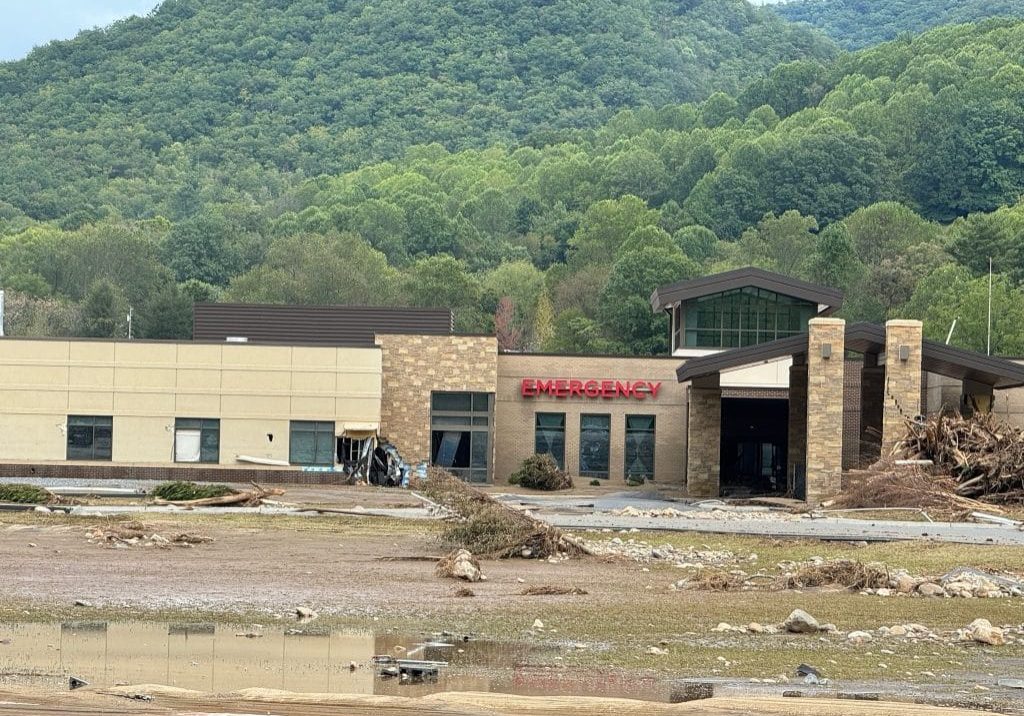
The Washout and Rebuild
For nearly two years, residents of Unicoi County, Tennessee, have had to make do without a hospital after Hurricane Helene destroyed the rural hospital. Ballad Health, which owns the hospital, broke ground on a new location — in another floodplain — in August 2026.

The Shenandoah Salamander
The Shenandoah salamander is a woodland salamander, which has adapted to life at higher elevations away from water. This sparkling rarity lives among the dry leaves, cracked logs, and stony hillocks on the highest peaks of Shenandoah National Park.

‘Foraging Is a Way of Connecting’
Foraging has experienced a modern resurgence, partly because of social media, online groups, the pandemic and people wanting to connect with nature. It also builds community, whether in person or online.

Leave a comment
Your email address will not be published. Required fields are marked *
Leave a Comment