

Appalachia Could Be America’s Centerpiece
By Kate Larken
Kate Larken is a member of Public Outcry, a musical group that performs to educate the public about mountaintop removal coal mining. She is also the publisher of MotesBooks, Inc.
There are several Appalachias.
Life at the northern end of our mountain chain differs from the southern mountains’ culture, but both extremes intentionally cultivate eco-tourism vital to local economies.
In between, however, live the troubled coalfields. This region – particularly Kentucky and West Virginia –provides much of the electricity for the nation because of what lies beneath. Low-cost mountaintop removal (MTR) coal mining pleases stockholders and
CEOs who profit (but would they live amidst the messes they cause?), yet thousands of communities and families with generational ties to the region are forced to deal with the destruction MTR leaves behind: ruined water, eradicated ecosystems, poverty, job loss, poor health.
Something is wrong with energy policy in America when an industry robs one of the world’s most valuable minerals from the nation’s poorest counties and leaves behind what’s described repeatedly as “moonscapes” and “war zones.” MTR is a practice akin to brazen theft at best, and at worst it’s darkly immoral.
For the coalfields to preserve healthy environment and culture, the Golden Rule must trump King Coal’s gluttony.
America must work to make central Appalachia the centerpiece of energy in new ways. What’s required as part of a sustainable future in the coalfields is that all Americans, wherever their home is, take steps to educate themselves about this dirty little secret: coal. Neighbors must speak up politically and must change consumption habits. If we don’t, we’re guilty of helping destroy an entire
section of America and the culture that has thrived there for centuries.
We can employ more Appalachian people by developing alternative energies to phase out coal. Rows of wind turbines, hydroelectric dams, solar-panel fields: these would be beautiful sights on existing mountaintops, for (unlike MTR) they are mostly positive rather than wholly destructive.
Power from renewables simply must be our future.
Related Articles
Latest News
More Stories
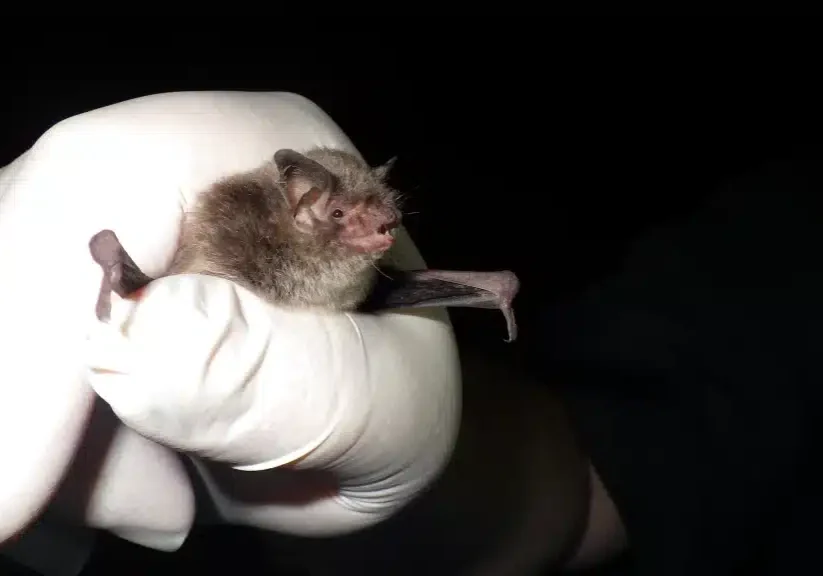
Signs of Life
In the Nantahala National Forest, a team of biologists spotted Indiana bats, an endangered species that hasn’t been seen in North Carolina for the last 11 years.
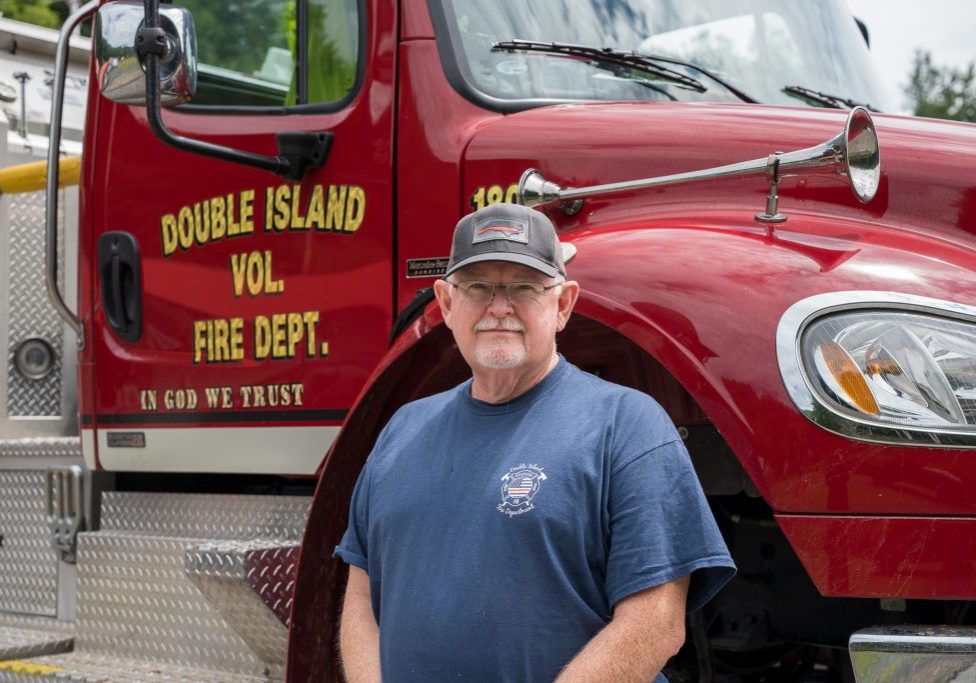
‘First Line of Defense’
During Hurricane Helene and its aftermath, rural fire departments and other first responder hubs played critical roles in keeping their communities safe, even without power and cut off from outside support for days or weeks after the storm. Two years later, plenty of work remains to ensure these hubs have the resources they need to operate day to day and be ready when emergencies or natural disasters strike.
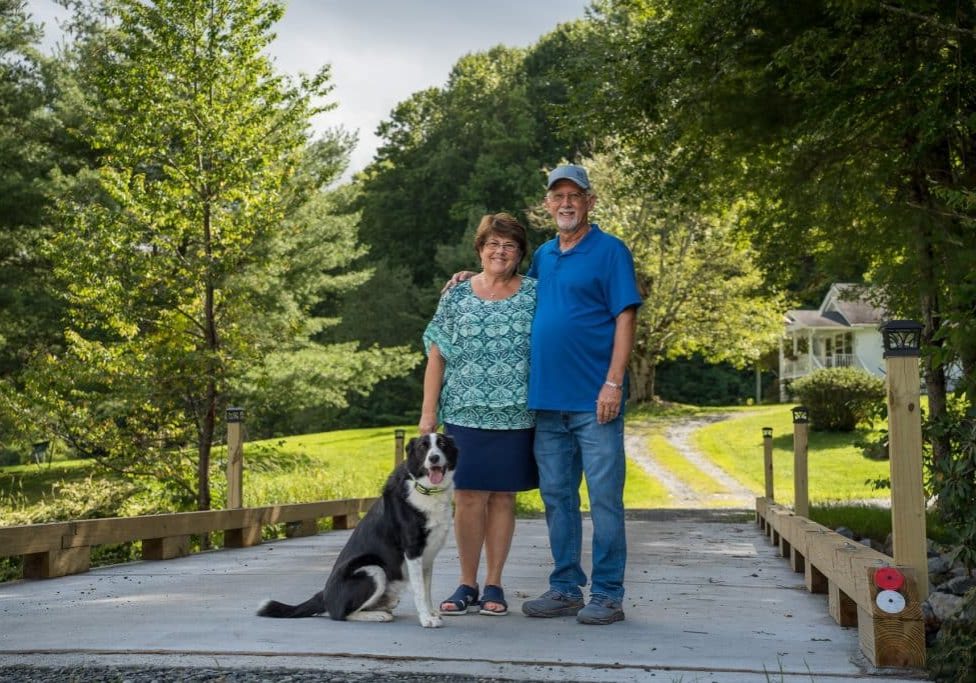
The Rocky Road — and Bridge — to Recovery
Hurricane Helene is estimated to have damaged nearly 7,000 private roads and bridges in Western North Carolina. Two years later, many restoration projects are complete, but the journey hasn’t been easy — and isn’t over for others.
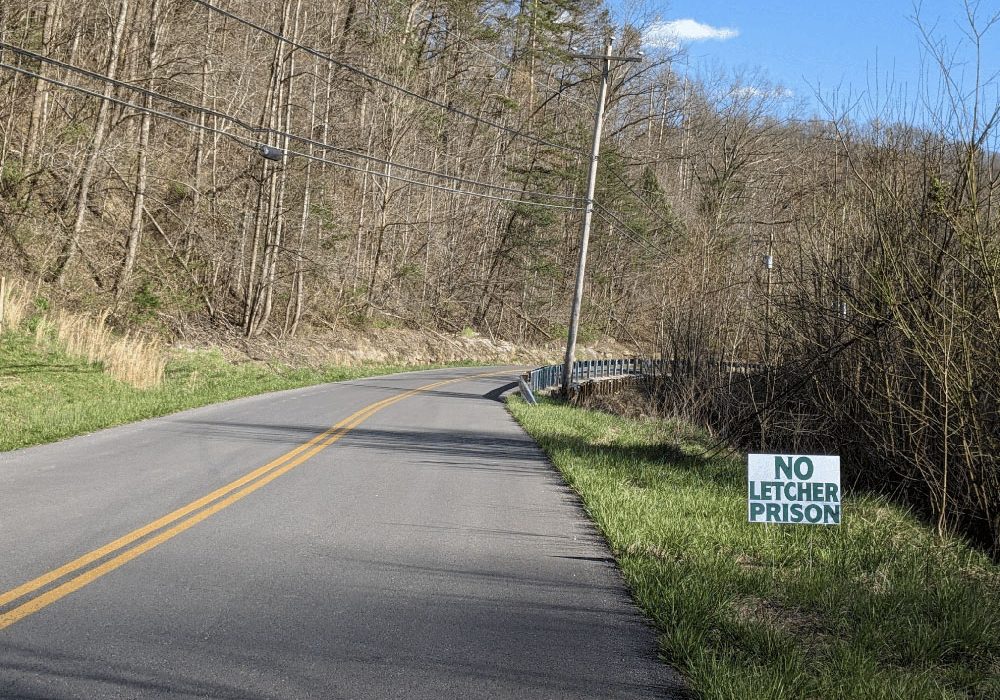
After 20 Years, Letcher County Prison Proposal Is Still Alive, Though Obstacles Remain
A $605 million proposal for a federal prison on a former strip mine site in Letcher County, Kentucky, championed by U.S. Rep. Hal Rogers, refuses to die, despite local opposition, a lack of support from the executive branch and numerous other obstacles.
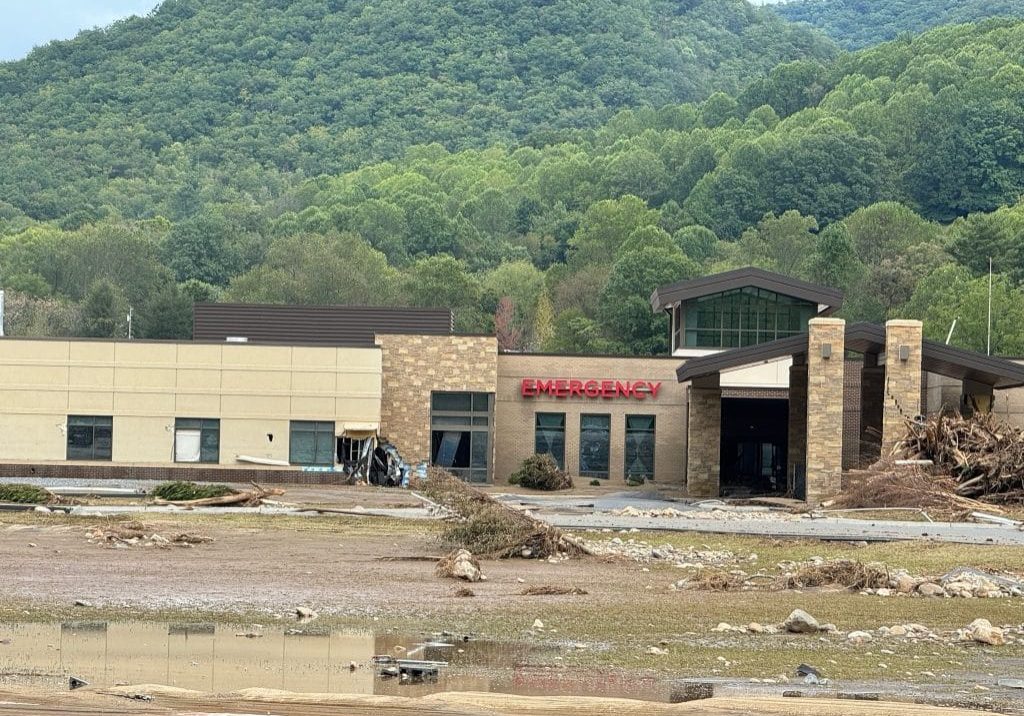
The Washout and Rebuild
For nearly two years, residents of Unicoi County, Tennessee, have had to make do without a hospital after Hurricane Helene destroyed the rural hospital. Ballad Health, which owns the hospital, broke ground on a new location — in another floodplain — in August 2026.

The Shenandoah Salamander
The Shenandoah salamander is a woodland salamander, which has adapted to life at higher elevations away from water. This sparkling rarity lives among the dry leaves, cracked logs, and stony hillocks on the highest peaks of Shenandoah National Park.

Leave a comment
Your email address will not be published. Required fields are marked *
Leave a Comment