

‘Nobody Is Coming to Save Us:’ Building McDowell County, West Virginia, After February Floods

Before February, the worst floods to hit the town of Welch in McDowell County, West Virginia, were in 1977, followed by 2001 and 2002. But now, the new benchmark for horrible flooding will be Feb. 15, explains resident Rev. Brad Davis.
Davis was living in the parsonage of the United Methodist Church along the Tug Fork River — the main level had never flooded since the church was built in 1950. But by 6 p.m., Davis moved his car to higher ground. At 7:30 p.m., he threw his cats in carriers and left because the waters were knocking on his front door.
“This flood was apocalyptic in its truest Biblical sense,” Davis says.
Months later, McDowell County is still struggling to rebuild.
“Nobody is coming to save us — not the federal government, not the state government, not the local government,” he says. “Nobody is coming to save us. It’s going to be us.”
State and federal support did trickle into the area, but Davis explains that there could have been a “much more robust response.”
“How do we, as an under-resourced, underfunded community to begin with, begin to grapple with … the massive challenge of rebuilding after a flood?” he asks. “And particularly, when we’re not getting a lot of help to begin with?”
Davis isn’t optimistic about the future, but he does see glimmers of hope in the “sheer stubbornness of the people.”
“We shouldn’t be here,” he says. “This place should already be a ghost town — but yet, we keep persisting.”

Related Articles
Latest News
More Stories

‘First Line of Defense’
During Hurricane Helene and its aftermath, rural fire departments and other first responder hubs played critical roles in keeping their communities safe, even without power and cut off from outside support for days or weeks after the storm. Two years later, plenty of work remains to ensure these hubs have the resources they need to operate day to day and be ready when emergencies or natural disasters strike.

The Rocky Road — and Bridge — to Recovery
Hurricane Helene is estimated to have damaged nearly 7,000 private roads and bridges in Western North Carolina. Two years later, many restoration projects are complete, but the journey hasn’t been easy — and isn’t over for others.
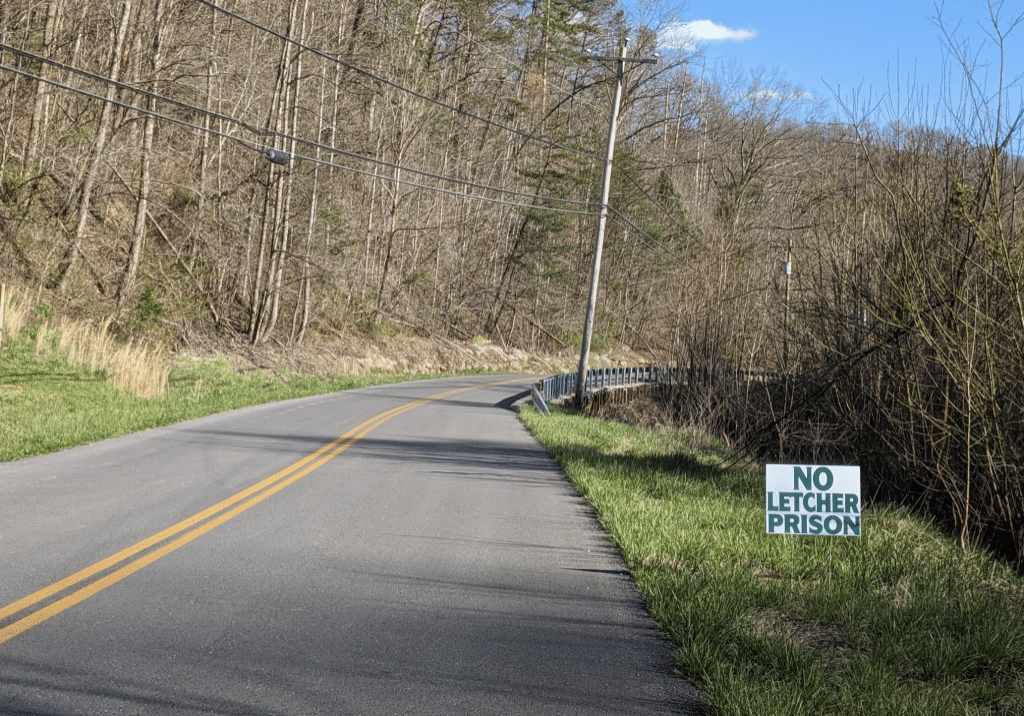
After 20 Years, Letcher County Prison Proposal Is Still Alive, Though Obstacles Remain
A $605 million proposal for a federal prison on a former strip mine site in Letcher County, Kentucky, championed by U.S. Rep. Hal Rogers, refuses to die, despite local opposition, a lack of support from the executive branch and numerous other obstacles.
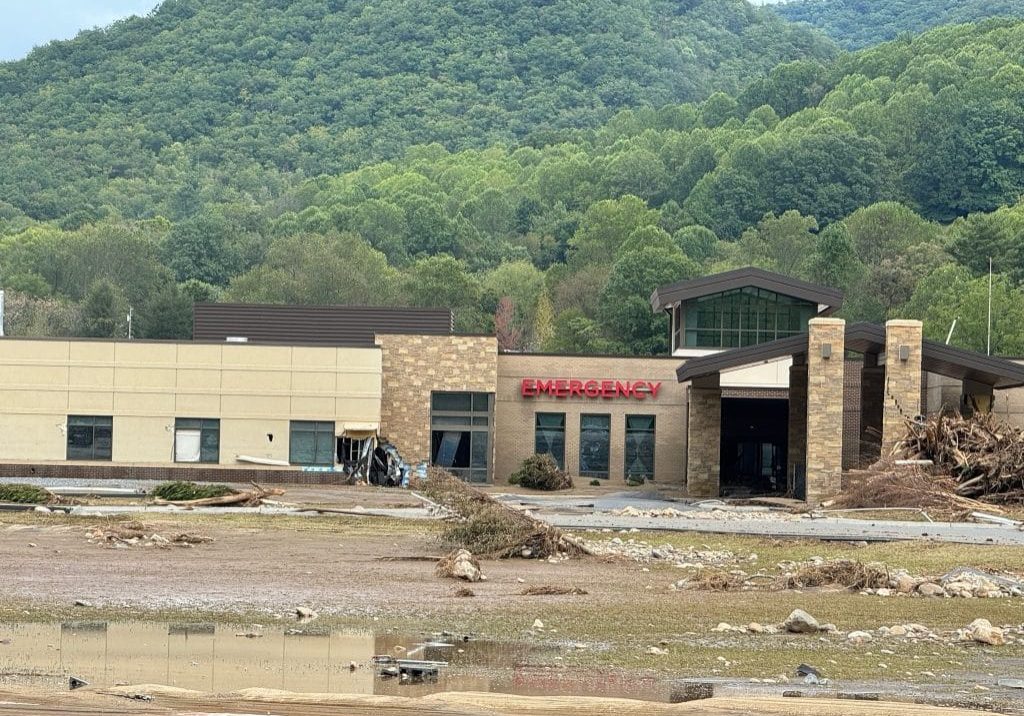
The Washout and Rebuild
For nearly two years, residents of Unicoi County, Tennessee, have had to make do without a hospital after Hurricane Helene destroyed the rural hospital. Ballad Health, which owns the hospital, broke ground on a new location — in another floodplain — in August 2026.

The Shenandoah Salamander
The Shenandoah salamander is a woodland salamander, which has adapted to life at higher elevations away from water. This sparkling rarity lives among the dry leaves, cracked logs, and stony hillocks on the highest peaks of Shenandoah National Park.
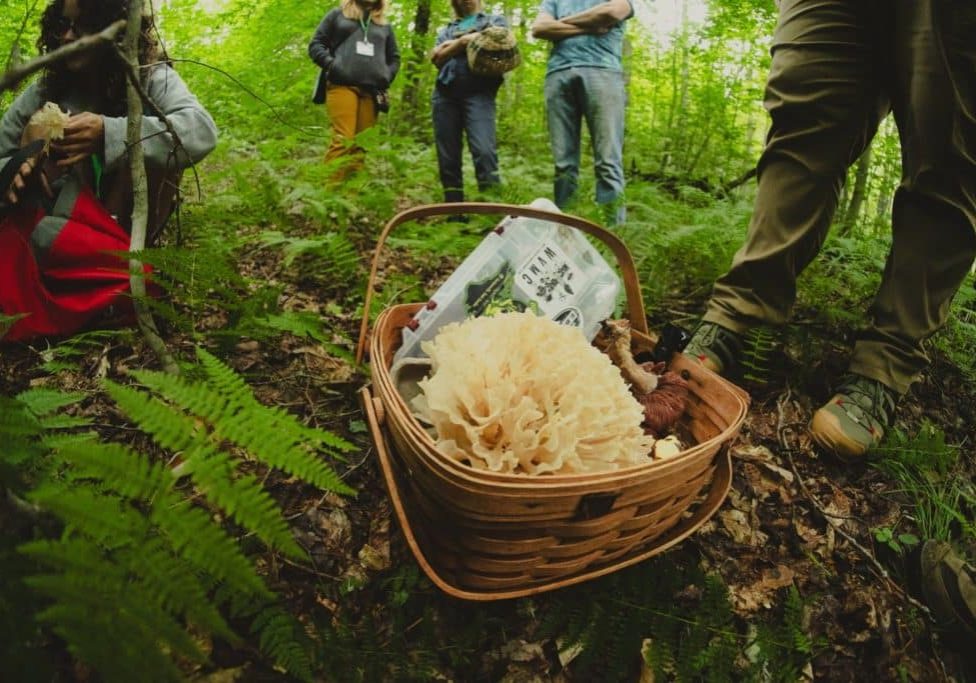
‘Foraging Is a Way of Connecting’
Foraging has experienced a modern resurgence, partly because of social media, online groups, the pandemic and people wanting to connect with nature. It also builds community, whether in person or online.

Leave a comment
Your email address will not be published. Required fields are marked *
Leave a Comment