

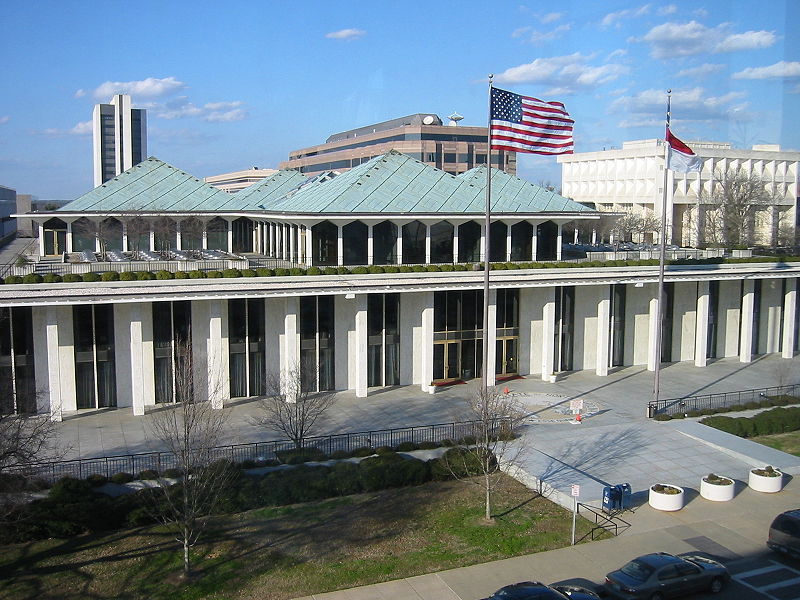
The North Carolina State Legislative Building in Raleigh.
In contrast to Gov. Roy Cooper’s target of 70% carbon emissions reduction for utilities in the state by 2030, the proposed version of H 951 would only cut emissions by 61%.
The proposed new version of H 951 calls for the closure of generators at five coal-fired power plants by 2030 — but approximately 70% of those units would be replaced with gas-fired generators, locking North Carolina ratepayers into decades of fossil fuel emissions. The bill also requires 777 megawatts of renewable energy per year through 2026, of which Duke would own 55%.
Additionally, the proposed H 951 would weaken the authority of the N.C. Utilities Commission by allowing multi-year rate increases over a three-year period. Duke attempted to pass similar legislation in 2019, but the House voted it down. Opponents of the bill state that there were no low-income or residential ratepayer advocates in the room while it was drafted — leading to it disproportionately impacting those who can least afford it. The bill would also allow Duke to reclaim $50 million from ratepayers if the utility pursues a new nuclear permit.
The nonprofit N.C. Sustainable Energy Association, one of the stakeholders included in the bill-writing process, released a statement opposing the bill on June 16.
“We believe there are clear opportunities to improve this legislation to better protect our state’s electricity customers while still empowering electric utilities to continue providing reliable energy generation,” said NCSEA Executive Director Ward Lenz in the statement.
Related Articles
Latest News
More Stories

‘First Line of Defense’
During Hurricane Helene and its aftermath, rural fire departments and other first responder hubs played critical roles in keeping their communities safe, even without power and cut off from outside support for days or weeks after the storm. Two years later, plenty of work remains to ensure these hubs have the resources they need to operate day to day and be ready when emergencies or natural disasters strike.
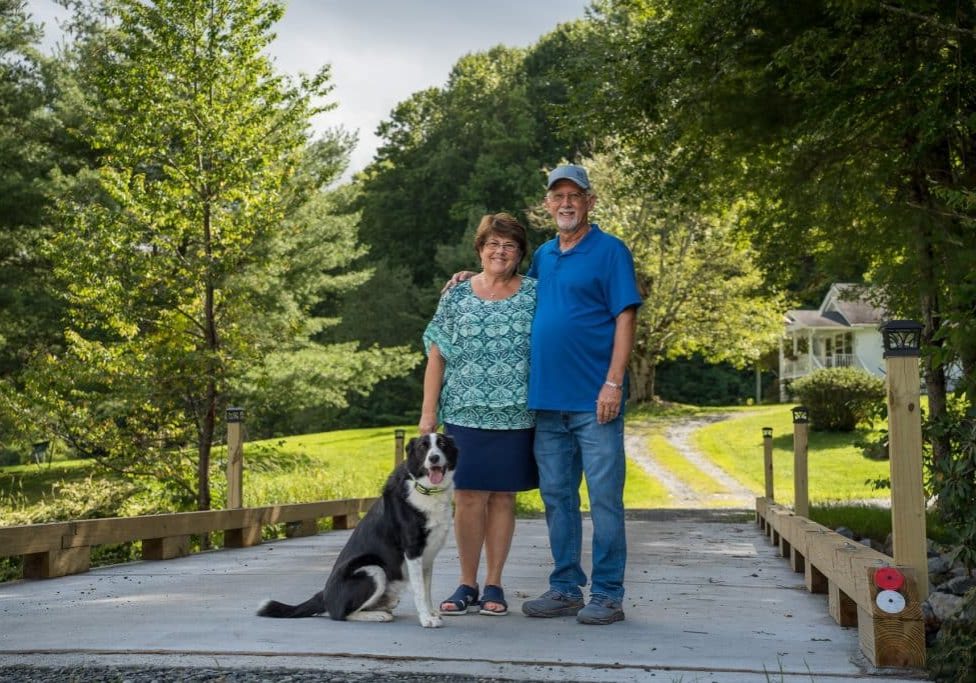
The Rocky Road — and Bridge — to Recovery
Hurricane Helene is estimated to have damaged nearly 7,000 private roads and bridges in Western North Carolina. Two years later, many restoration projects are complete, but the journey hasn’t been easy — and isn’t over for others.
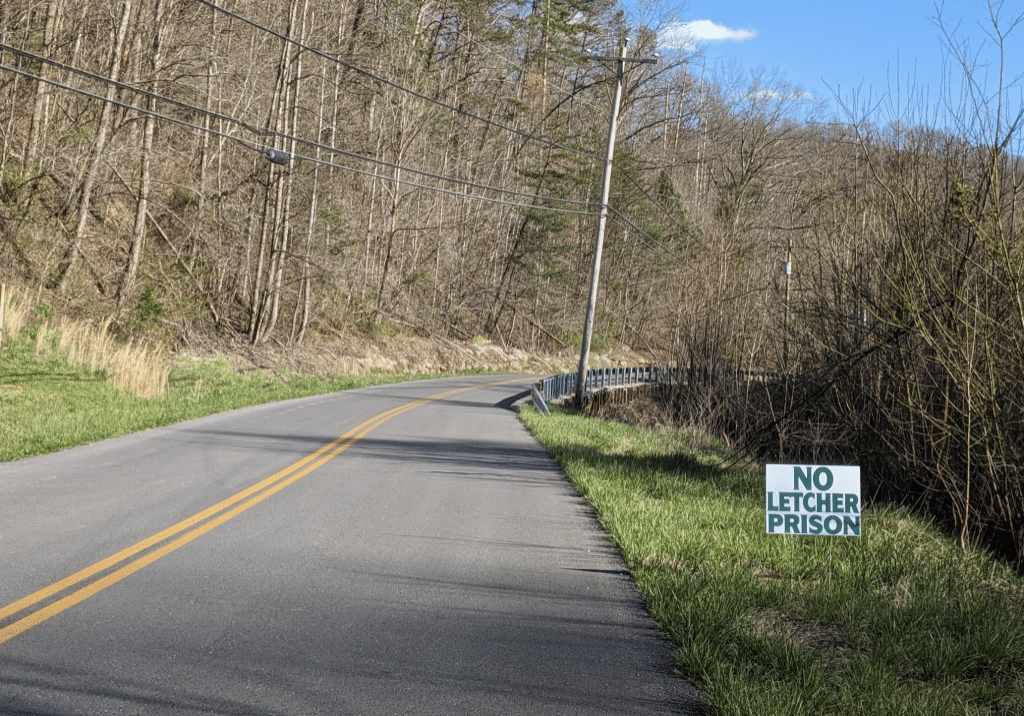
After 20 Years, Letcher County Prison Proposal Is Still Alive, Though Obstacles Remain
A $605 million proposal for a federal prison on a former strip mine site in Letcher County, Kentucky, championed by U.S. Rep. Hal Rogers, refuses to die, despite local opposition, a lack of support from the executive branch and numerous other obstacles.
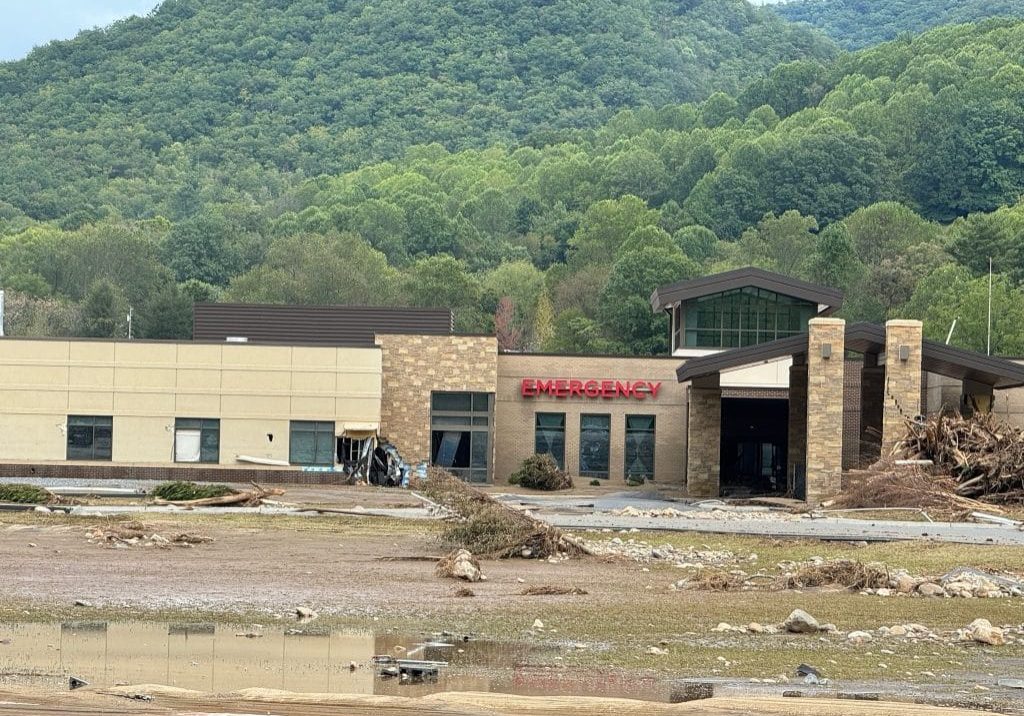
The Washout and Rebuild
For nearly two years, residents of Unicoi County, Tennessee, have had to make do without a hospital after Hurricane Helene destroyed the rural hospital. Ballad Health, which owns the hospital, broke ground on a new location — in another floodplain — in August 2026.

The Shenandoah Salamander
The Shenandoah salamander is a woodland salamander, which has adapted to life at higher elevations away from water. This sparkling rarity lives among the dry leaves, cracked logs, and stony hillocks on the highest peaks of Shenandoah National Park.
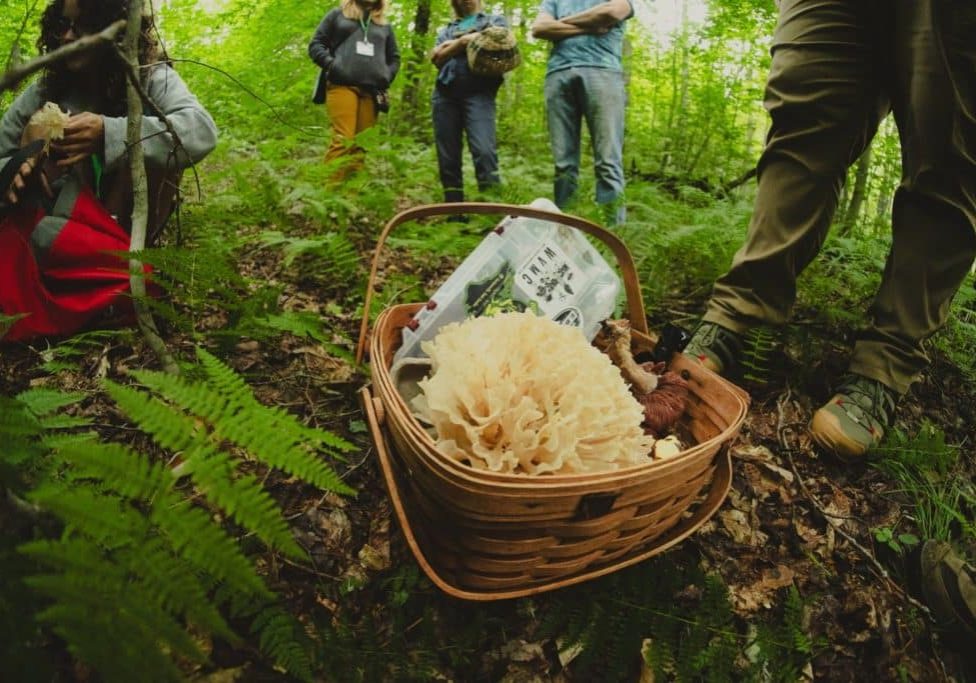
‘Foraging Is a Way of Connecting’
Foraging has experienced a modern resurgence, partly because of social media, online groups, the pandemic and people wanting to connect with nature. It also builds community, whether in person or online.

Leave a comment
Your email address will not be published. Required fields are marked *
Leave a Comment