
Organizations Band Together to Help with Long-Term Recovery in Cocke County, Tennessee
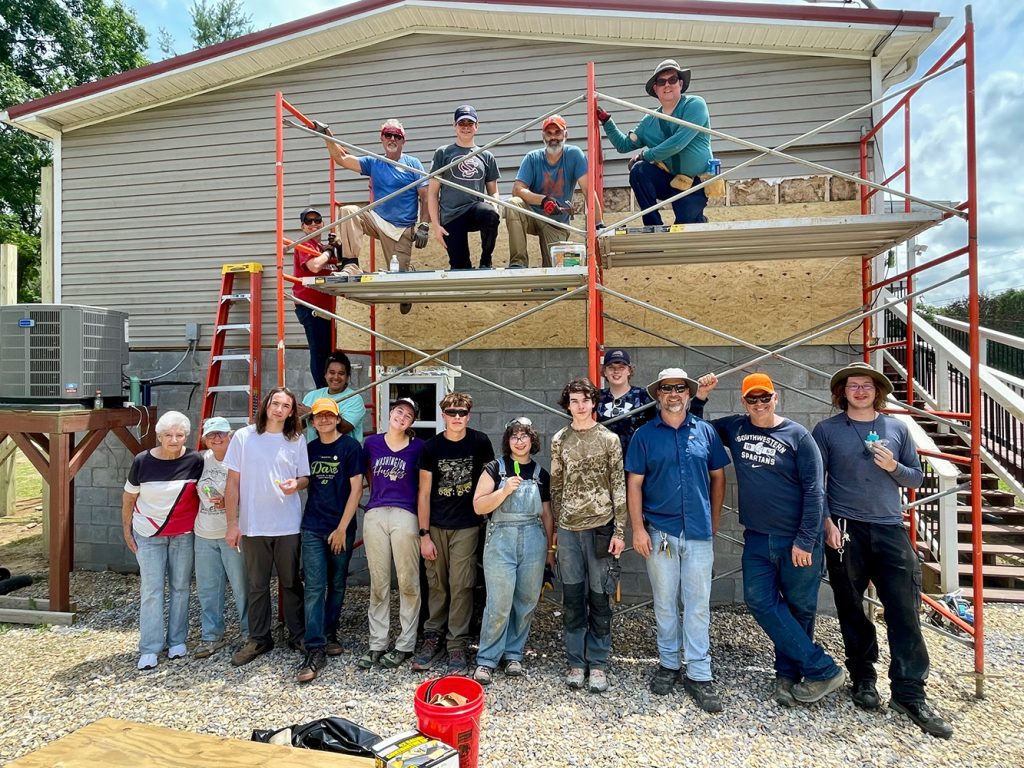
Three rivers — the Pigeon, Nolichucky and French Broad — run through Cocke County, Tennessee. Catastrophic flooding of these rivers from Hurricane Helene damaged or destroyed hundreds of homes and businesses throughout the county. Residents estimate long-term recovery will take several years.
“We have 349 families impacted in our county to varying degrees,” says Deborah Bahr, executive director of Clean Water Expected in East Tennessee, or CWEET, a local grassroots environmental organization.
Established in 2006, CWEET has spent decades building relationships and working to protect the region’s riverways. Alongside local partners, CWEET immediately had boots on the ground after the storm, delivering supplies and establishing a resource hub.
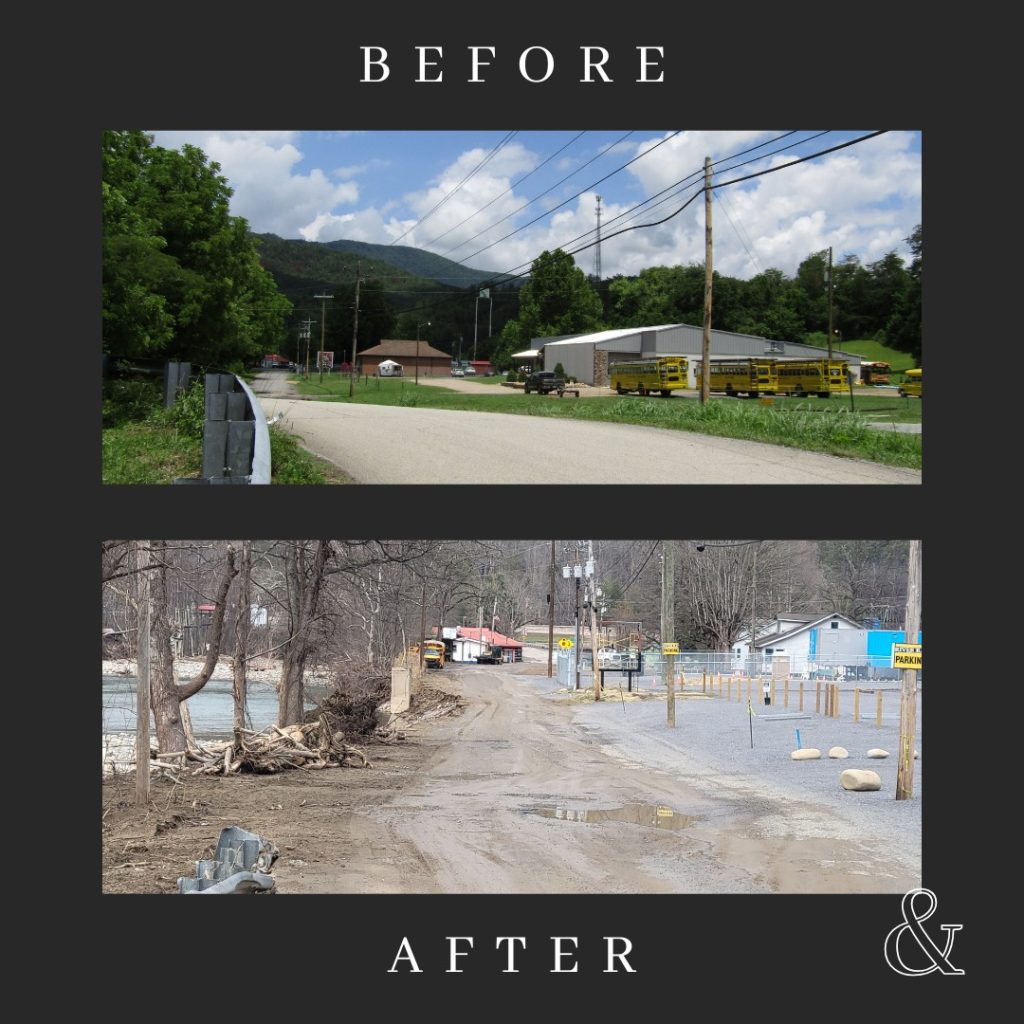
“Everybody was affected in some way or knew somebody that was affected,” Bahr says. “So we were constantly trying to be aware of [what organizations] had what and how we could pull it all together, so we could eliminate redundancies and be more efficient.”
These efforts evolved into the nonprofit Cocke County Long Term Recovery Group. Bahr sits on the board of directors, while Laurie “Spring” Duckett, CWEET’s community organizer, serves as the group’s executive director. Additionally, Bahr serves as the chair of the nonprofit’s natural resources committee.
“We are working with state, federal and county agencies, academics and allied nonprofits to create a plan for riparian zone restoration,” Bahr explains about the strips of land along the edges of waterways. “We know there’s going to be more floods. We know we’re primed for a fire. So, we’ve got to figure out how to rebuild our riparian zone.”

Related Articles
Latest News


Leave a comment
Your email address will not be published. Required fields are marked *
Leave a Comment