
Repairing Our Region After Helene
By the time Hurricane Helene, then a tropical storm, smashed into the southern Appalachian Mountains last September, rivers were already full and slopes were saturated. Over three days, 12 counties in the Carolinas received more than 18 inches of rain — and Yancey County, North Carolina, was struck by over 30 inches. Gale-force winds swept across the mountains and knocked out power and communications networks, with some locations clocking gusts over 100 mph.

The onslaught, which cut a swath from Florida to Virginia, decimated human infrastructure and reshaped the landscape and waterways across a large region in Appalachia, including portions of Georgia, the Carolinas, Tennessee and Virginia.
More than 250 lives were lost as a result of Helene, making it the deadliest storm to hit the United States since Hurricane Katrina nearly 20 years ago. Trained search and rescue crews, thousands of volunteers, and organizations across the region joined local residents to help one another, with much assistance coming from far beyond Appalachia. Even as the outpouring of support from neighbors and strangers buoyed spirits, the grief, loss and trauma of the catastrophic event also left a mark on residents across the impacted region.
Appalachia is no stranger to severe flooding, but the scale of damage from more than 2,000 landslides, extensive forest blowdowns, and crippling road destruction set Helene apart. Nearly a year later, heavy downpours continue to cause flooding in new locations as water adapts to a changed landscape.
A steep cost
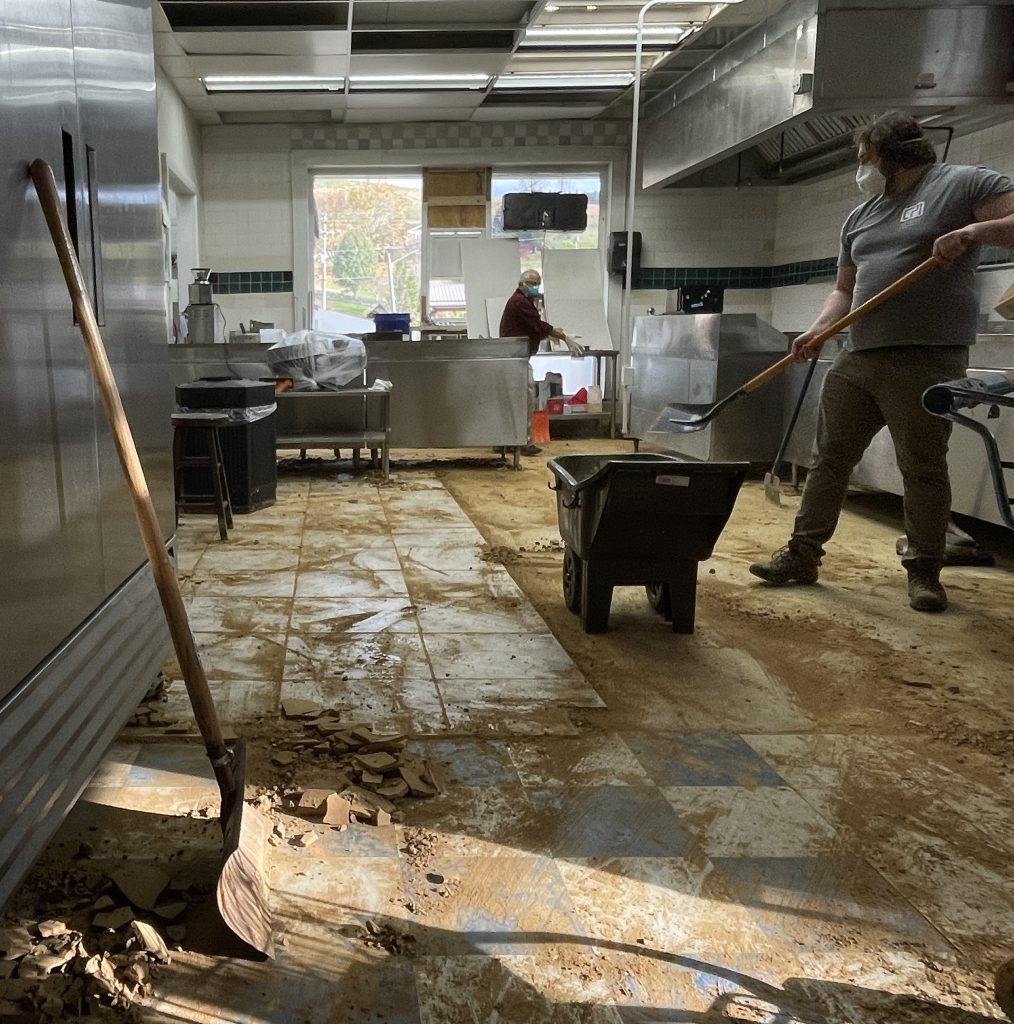
Ten months after the storm, the long process of repairing and rebuilding continues for many residents and businesses.
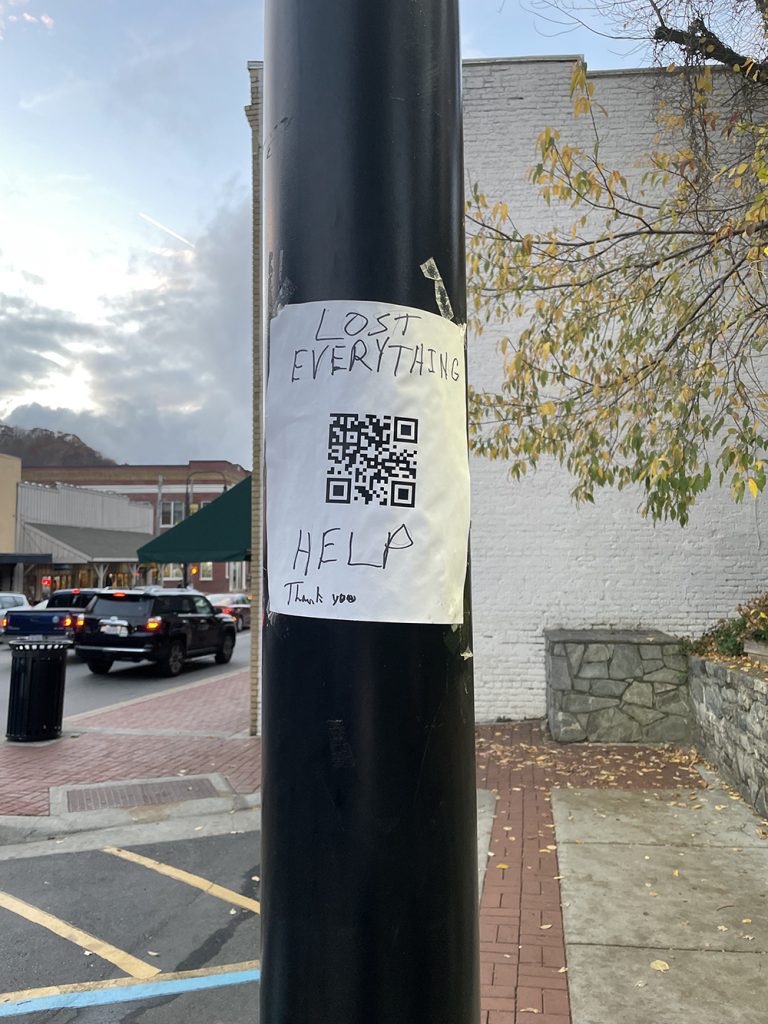
The housing crisis was already acute before Helene, and repairing homes and finding alternative options has been an especially difficult part of recovery. In North Carolina, the storm damaged nearly 74,000 homes and destroyed almost 9,000 more.
After the Federal Emergency Management Agency’s initial emergency payments went out, FEMA assistance for homeowners and renters trickled out slowly. The limits for the amount of aid FEMA can give to individuals — set by Congress — are often inadequate to cover the costs of needed repairs to an individual’s property. And some homeowners waited months for insurance companies to even inspect their damage, which is a necessary step to qualify for FEMA assistance.
Compounding the economic damage, Helene arrived just as the crucial fall tourism season was getting underway. Even businesses lucky enough to escape direct harm were impacted by widespread power and water outages, displaced workers and destroyed roads — some routes still remain closed as of July. More than a third of 1,155 Western North Carolina businesses surveyed in February and March projected revenue loss of over 50%.
Yet many businesses that were inundated by Helene’s waters or winds have since rebuilt and localities are enthusiastically encouraging people to support homegrown institutions with their dollars.
Finding funding
Just before Christmas, Congress approved $100 billion in recovery funding for Helene and other disasters. It also replenished the Small Business Administration’s disaster loan program, which had exhausted its funds less than three weeks after Helene struck.
In a December press release celebrating the bill’s passage, the office of Sen. Thom Tillis, R-N.C., noted that, in addition to assistance from FEMA, it expected the state to receive $9 billion in federal assistance from other departments for needs that included road and bridge repair, drinking water infrastructure and payments to farmers.
By March 31, the North Carolina government and federal agencies had directed $5.95 billion to the state for recovery, with $4.1 billion coming from the federal government. Second quarter 2025 data for the state, which would also reflect funding from state legislation passed in April, was not available as of press time.
But just because federal dollars are directed to a state doesn’t mean it’s immediately making a difference on the ground. State and local governments often must develop plans for how to spend the money, which are then reviewed and approved by the federal agency responsible for the funding before projects can proceed.
Onward
A warmer atmosphere holds more moisture, and scientists expect the changing climate to bring more intense rainfalls to Appalachia. An international group of scientists estimated that climate change increased the amount of rainfall during Helene by 10% and made its three-day rainfall total 70% more likely. We can hope that Appalachia never sees a storm like Helene again in our lifetimes, but it’s wise to prepare.
Even as our team prepared this annual print edition for press, people in multiple states, including in Central North Carolina, were still reeling from recent flood events, and we neared the three-year anniversary of devastating flooding in Eastern Kentucky.
In our Summer 2025 issue, we explore a few of the many dimensions of disaster recovery in our region, with a focus on the aftermath of Helene. Communities and individuals are putting one foot forward at a time — and taking action to protect one another and our region if the unimaginable happens again.
Get Involved: Appalachian Voices, the organization that publishes The Appalachian Voice, is partnering with communities to lay the groundwork for a stronger, more connected and prepared region. Sign up to receive information on and opportunities to participate in our work! Visit appvoices.org/readiness

Related Articles
Latest News

Leave a comment
Your email address will not be published. Required fields are marked *
Leave a Comment