

Letters to the Editor
Dear Editor
This letter is an appeal to the residents of this state to rise to the task of preventing an unfortunate, and disgraceful assault on some new residents of our state: the bald eagle.
The first time I was privileged enough to see these magnificent birds was early in the summer of 1998. My wife and son and I were on an outing on Lake James, fishing the coves and watching for wildlife as we have done for years. When I first saw the eagle fly from the forest and across the cove, I couldn’t believe my eyes. We were so excited, we forgot about fishing and took to bird watching for the rest of the afternoon.
The unfortunate point of this story is that the birds chose to nest in a planned subdivision that was being created by Crescent Resources, a subsidiary of Duke Energy. By the next spring when the birds returned, a road had been created within a short distance of the tree.
Other sportsmen and I knew these birds were going to be driven from their home because of the construction and other traffic. We knew the pair had no chance of raising young that year, but we felt that to call attention to this situation might improve their future.
So far our efforts have been unsuccessful. Crescent has sold the lot containing the nest and another lot next to the nest. Construction has started on one lot, and each year the birds have been driven from the nest because of lack of protection. These birds are supposedly protected under the Endangered Species Act. This is supposed to apply to the nest and the area around it.
The eagles at Lake James are the first documented nesting pair this far inland in North Carolina in over 40 years. Even though these birds are rare and have laws to protect them, there are those who feel they are in the way and simply have to go.
Crescent has recently filed for a special permit to take the nest; they want to be exempt from the Endangered Species Act on lands around the lake for the next 50 years. In return, they claim they will build platforms in trees at some proposed sites that the birds may come to. This plan is not only ridiculous, it is a downright disgrace. There are those who feel it is a classic case of a money-grubbing corporation wanting to cross all legal boundaries just to flex their corporate muscle.
Duke Energy and Crescent could do the right thing. They could give the new owners their money back, or possibly another lot, and set aside the land around the nest as a protected site.
Paul M. Braun,
Morganton, NC
Related Articles
Latest News
More Stories

Halloween Approaches, and Night School Is in Session
The House of Art in Bluefield, West Virginia, looks like a haunted tower, making it the perfect location for its sixth annual haunt event: Night School. The Night School will be open every Friday and Saturday night through Oct. 31.

‘The Most Perfect Act of Love’
After losing its rural pride celebration, hundreds of people attended the second annual Affirming Sumner Pride celebration on a 24-acre farm dubbed “Fruity Farm” in Bethpage, Sumner County, Tennessee.

Signs of Life
In the Nantahala National Forest, a team of biologists spotted Indiana bats, an endangered species that hasn’t been seen in North Carolina for the last 11 years.

‘First Line of Defense’
During Hurricane Helene and its aftermath, rural fire departments and other first responder hubs played critical roles in keeping their communities safe, even without power and cut off from outside support for days or weeks after the storm. Two years later, plenty of work remains to ensure these hubs have the resources they need to operate day to day and be ready when emergencies or natural disasters strike.

The Rocky Road — and Bridge — to Recovery
Hurricane Helene is estimated to have damaged nearly 7,000 private roads and bridges in Western North Carolina. Two years later, many restoration projects are complete, but the journey hasn’t been easy — and isn’t over for others.
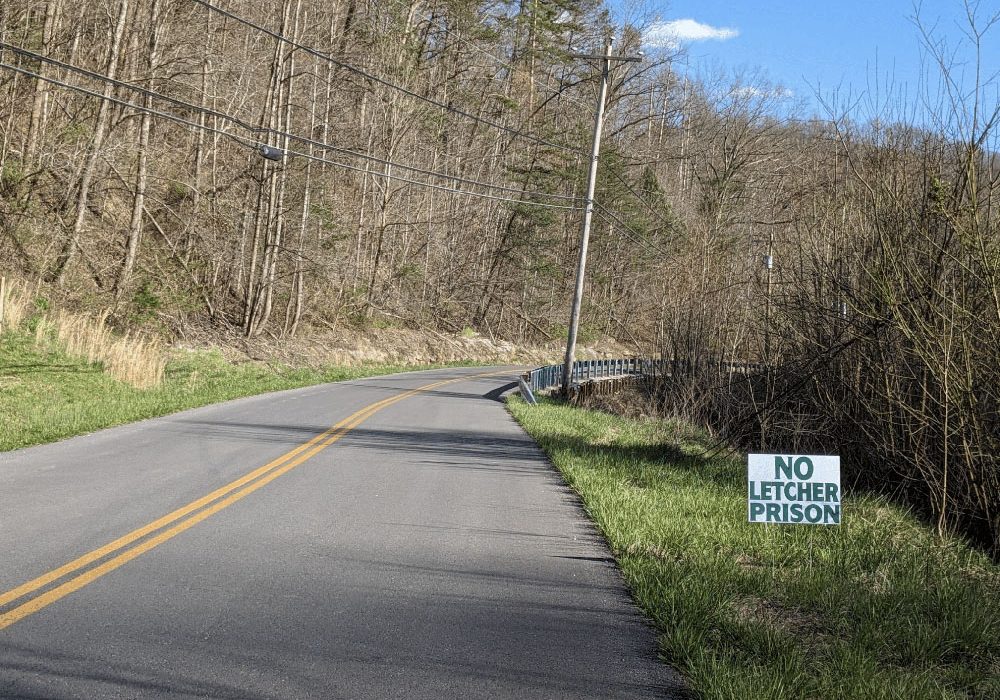
After 20 Years, Letcher County Prison Proposal Is Still Alive, Though Obstacles Remain
A $605 million proposal for a federal prison on a former strip mine site in Letcher County, Kentucky, championed by U.S. Rep. Hal Rogers, refuses to die, despite local opposition, a lack of support from the executive branch and numerous other obstacles.

Leave a comment
Your email address will not be published. Required fields are marked *
Leave a Comment