

The Unhealthy Culture of Coal
The latest in a round of studies on health and well-being in the coal-bearing regions of Appalachia was released in mid-February, with the puzzling conclusion that, while coal mining may not directly contribute to health problems in Appalachia, it still plays a significant role in the health problems in Appalachia.
Borak’s study claims that the direct impact of coal mining on the physical environment does not significantly affect mortality, cancer or other illness rates among residents living in mining counties. Yet the study also says that the coal industry fosters a mono-economy with a social and cultural environment that lacks quality healthcare and suffers from lower incomes due to lack of job diversity — and that this coal-dependent mono-economy does have a significant impact on the health of people in these counties.
The peer-reviewed study, by Dr. Jonathan Borak of Yale University and others, was paid for by the National Mining Association, though the study’s authors were quick to point out in their summary that their funders had no bearing on their findings. We believe them — or, at least, we want to.
When a preliminary analysis of the study was fed through the coal industry’s PR machine, it churned out a line about the study “debunking previous studies” on mountaintop removal mining’s health impacts, referring to research by Dr. Michael Hendryx that found strong correlations between mountaintop removal and illness. Borak denied that claim for what it is — nonsense.
Borak’s study not only doesn’t debunk Hendryx’s studies, it provides perspective on the truly pervasive, fundamentally damaging nature of the coal industry on the health of Appalachian communities.
Muddying the waters further, after essentially saying coal mining did not seem to have a direct effect on health in Appalachia, the study goes on to report, “Our analyses do not rule out the possibility [our emphasis] that some specific mining methods may have greater adverse effects than others on the physical environment.”
Although labor rights and regulations brought better pay and safer mining conditions, it seems that the underlying culture of the coal industry has not changed much over the years. Big Coal dangles the proverbial job carrot just past the noses of working-age residents in Appalachia while the rest of Appalachia suffers, and they do it extremely well.
By maintaining a mono-economy and spoon-feeding the community with whispers about how environmental regulations are going to “steal your jobs,” many residents in turn defend the very industry that is likely poisoning their community and steering their proud culture astray.
It’s time for those who benefit most from extracting Appalachia to look in the mirror and accept responsibility for the damages to human health from coal mining.
Related Articles
Latest News
More Stories

English Language Learning in Appalachia
Learning English is always difficult. But current aggressive approaches to immigration policy are creating more barriers for learners and the programs that serve them than ever before in Appalachia and beyond.

Landfill Drama
Many residents of Pike County, Kentucky, are breathing a sigh of relief since county commissioners finalized their decision to rescind a contract with an out-of-state waste management company.
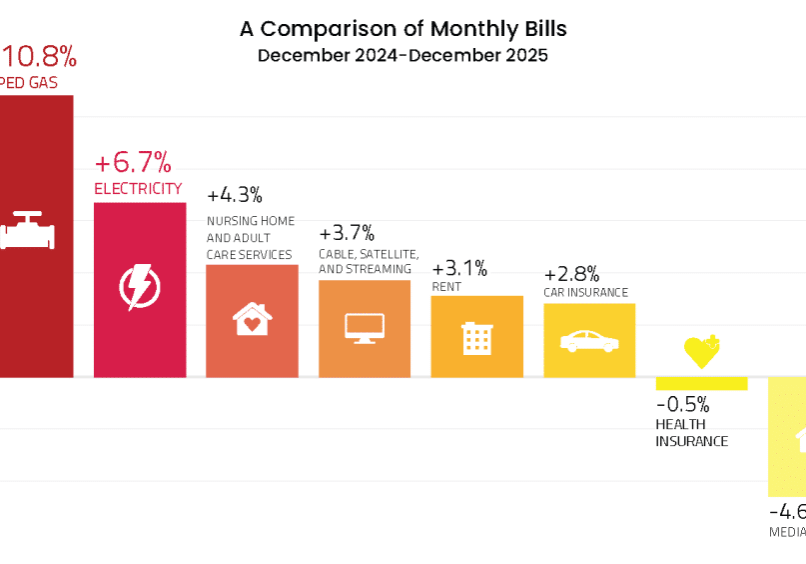
Overdrive: Fossil Fuels in Appalachia
Electricity demand is on the rise. Here, we share snapshots of energy trends in the region and how methane gas, coal and data centers are affecting our communities — and how people are pushing back.
Less Support for Communities with Mine Problems
The Trump administration issued a regulation to weaken the Ten Day Notice process that helps community members call in federal enforcement when state regulators don’t do a good job policing environmental problems at coal mines
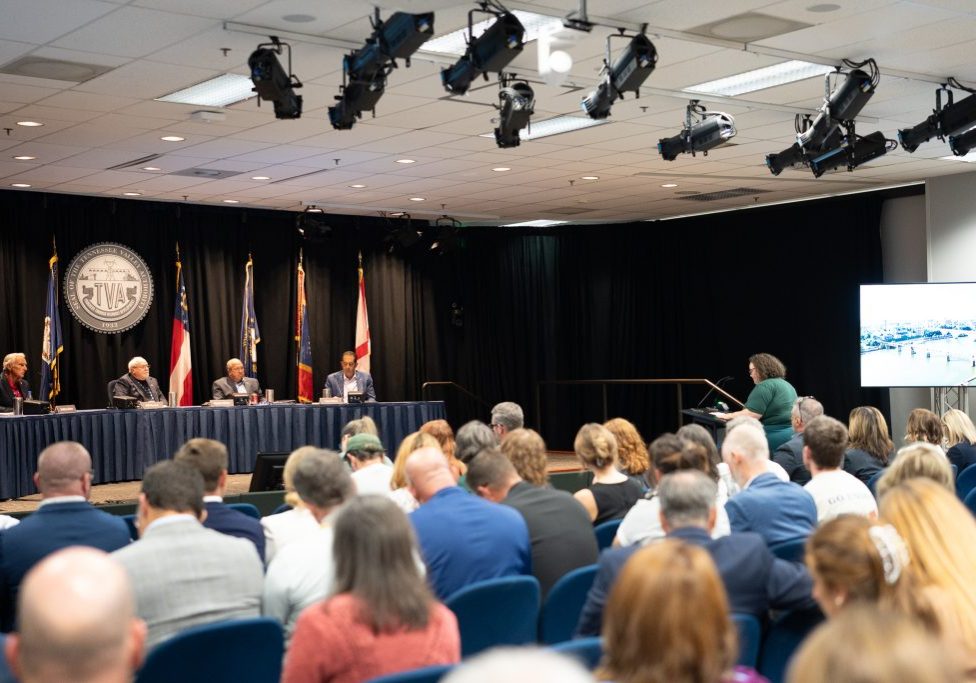
Chaos at the Tennessee Valley Authority, Cuts to Public Input
The past year has brought turmoil and uncertainty to the Tennessee Valley Authority, the nation’s largest public power provider, and its more than 10 million customers across the Tennessee Valley.

Landmark Coal Ash Protections Under Attack
The U.S. Environmental Protection Agency is planning to eviscerate important, hard-won regulations on coal ash, a toxic waste left after burning coal for energy.

Leave a comment
Your email address will not be published. Required fields are marked *
Leave a Comment